
Yazılar

Winners and Losers in 2024’s Environment Amid Predictions of a Record-Breaking 2025

The National Trust has highlighted the contrasting effects of 2024’s wet and mild climate on wildlife and habitats across the UK. While some species and ecosystems thrived, others faced significant challenges.

Winners

  • Heather Revival: Heather at Dunwich Heath in Suffolk, a crucial habitat for species like nightjar, woodlark, and adders, began recovering from the 60% loss caused by 2022’s drought. Thanks to spring rainfall, drone surveys revealed an 11% regrowth in damaged heathland.
  • Wetland Boost: New wetlands created through river restoration at Holnicote in Somerset supported dense populations of water voles while also benefiting kestrels and barn owls.
  • Grey Seal Success: Suffolk’s Orford Ness saw its first grey seal colony established, indicating the species’ recovery. The remote location’s low disturbance risk attracted seals from other colonies along the coastline.
  • Fungi Flourish: Grassland fungi, aided by a cool, damp autumn free of frost, thrived in several areas.

Losers

  • Butterflies Decline: A wet and cool spring severely impacted insect populations. Butterfly numbers were notably lower than usual across National Trust properties, with some locations reporting record lows.
  • Struggling Bees: Bees faced significant challenges in many areas, though the rare bilberry bumblebee was positively sighted in the Shropshire Hills, benefiting from conservation efforts.
  • Decline in Bats: Bats experienced population drops in some roosts, primarily due to reduced feeding opportunities and low insect numbers caused by the wet, cool weather.
  • Mixed Results for Seabirds: The Farne Islands showed no signs of bird flu, and Arctic tern populations at Long Nanny recovered somewhat compared to 2023. However, European shag populations suffered sharp declines due to extreme weather and storms, while terns recorded substantial losses. Puffin numbers were stable.

2025 Predicted to Be the Hottest Year on Record

Global climate studies revealed the intensifying effects of human-caused climate change in 2024, adding an average of 41 days of dangerous heat. Of 29 extreme weather events analyzed, 26 were worsened by climate change, leading to tens of thousands of deaths and displacing millions.

Scientists warn that 2025 is set to become the hottest year on record. Governments and societies must urgently prepare for rising climate risks to minimize the associated human and ecological tolls.
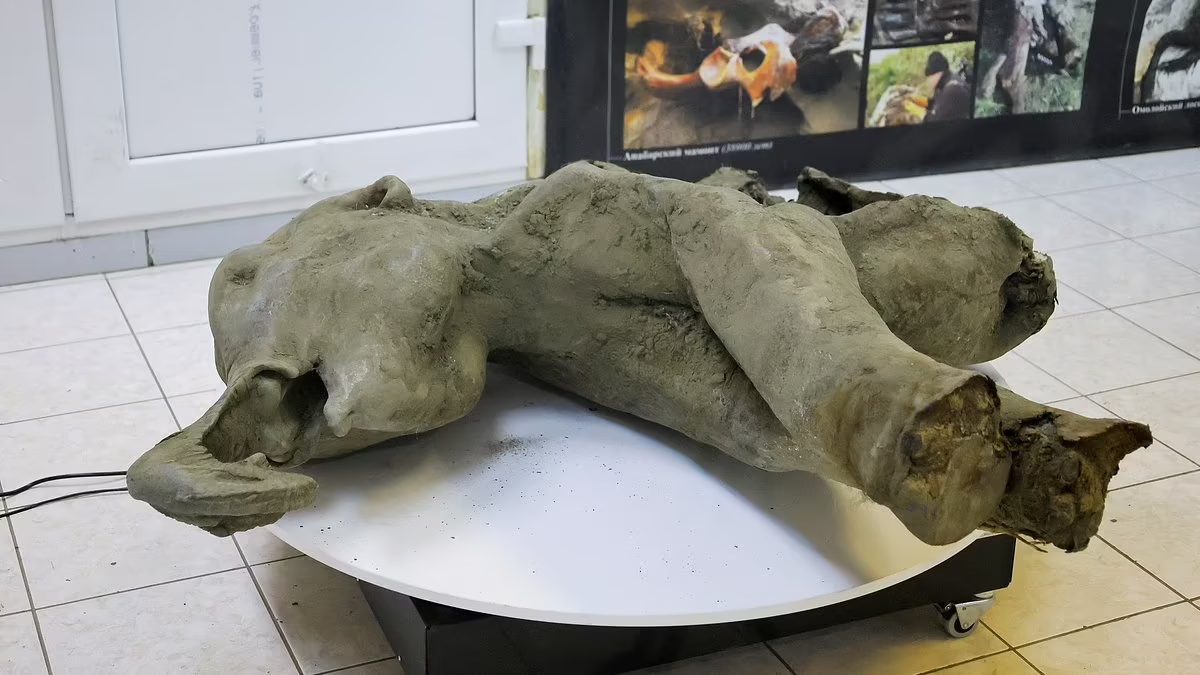

 

Remarkably Well-Preserved Baby Mammoth Remains Unveiled by Scientists

Scientists have uncovered the preserved remains of a juvenile mammoth, believed to be over 50,000 years old, after it was thawed from permafrost in Russia. The discovery, made in the Batagaika crater in the Sakha Republic (Yakutia), marks another extraordinary find as climate change causes the region’s permafrost to melt.

The mammoth’s carcass, weighing over 110kg (240lbs), was carefully brought to the surface on an improvised stretcher, according to Maxim Cherpasov, head of the Lazarev Mammoth Museum Laboratory in Yakutsk. Cherpasov estimates that the mammoth was likely just over a year old at the time of its death, though further testing will provide more precise information.

One of the most remarkable aspects of the find is the preservation of the mammoth’s head and trunk. Typically, the thawing process causes these parts, especially the trunk, to be consumed by predators or scavenging birds. However, this specimen’s head is unusually well-preserved, even though the forelimbs have been eaten by animals.

This discovery adds to a series of remarkable paleontological finds in Russia’s permafrost. In the same region, scientists recently uncovered the remains of a 32,000-year-old sabre-toothed cat cub and a 44,000-year-old wolf carcass earlier this year, offering unprecedented insights into ancient species.


Scientists Suggest Decline in Planetary Albedo May Contribute to Sharp Increase in Global Temperatures

Researchers from the Alfred Wegener Institute (AWI) have uncovered a potential link between a sharp decline in the Earth’s planetary albedo and the unprecedented rise in global temperatures in 2023. The study suggests that the reduction in low-altitude clouds is contributing to this alarming trend, which has pushed the global mean temperature nearly 1.5°C above pre-industrial levels. Dr. Helge Goessling, a climate modeller at AWI and lead author of the study, highlighted that this phenomenon could explain an additional 0.2°C of warming that current climate models, including factors like greenhouse gases, El Niño, and volcanic activity, fail to account for.

The research, published in Science, draws attention to the significant loss of low-altitude cloud cover, especially in the northern mid-latitudes and tropics. These clouds, which are typically reflective, play a crucial role in maintaining Earth’s energy balance by reflecting sunlight back into space. The data from NASA and the European Centre for Medium-Range Weather Forecasts (ECMWF) show that 2023 experienced the lowest planetary albedo since at least 1940, marking a notable shift in the planet’s reflectivity. With less sunlight being reflected, more heat is absorbed, which accelerates global warming.

The reduction in low-altitude clouds, which provide a natural cooling effect, contrasts with higher clouds that tend to trap heat, further exacerbating the warming process. The study suggests several factors may be contributing to this change, including stricter marine fuel regulations, which have reduced aerosol concentrations needed for cloud formation, and shifts in oceanic conditions. However, Dr. Goessling proposed that there could be a significant feedback loop at play, where global warming leads to further reduction in cloud cover, which, in turn, enhances warming—a vicious cycle that could escalate the effects of climate change.

These findings underscore the complexity of climate change and the need for more comprehensive models that account for all contributing factors. While greenhouse gas emissions and natural climate phenomena like El Niño remain key drivers of global warming, the reduction in planetary albedo due to changing cloud patterns presents an important piece of the puzzle. Researchers are calling for further investigation into how these feedback loops may accelerate the pace of global warming and what measures can be taken to mitigate their effects.