Yazılar

Global Tourism’s Growing Carbon Footprint Threatens Climate Goals, Research Shows

The travel industry’s carbon footprint has been growing at an alarming rate, outpacing the overall global economy, according to new research published in Nature Communications. The rising demand for international travel has led to significant increases in carbon dioxide (CO2) emissions over the past decade, with tourism-related emissions growing nearly twice as fast as the global economy, researchers say.

The study highlights that tourism in the top 20 emitting countries, including the United States, China, and India, is expanding by up to 5% annually, exacerbating energy consumption and CO2 emissions in these regions. These countries contribute to about three-quarters of the total tourism-related carbon footprint, underscoring the inequality in per-capita emissions.

Transportation, particularly air and ground travel, is identified as a primary contributor to these emissions. Despite some technological advancements aimed at improving fuel efficiency, slow progress in decarbonization continues to drive up the sector’s emissions. The COVID-19 pandemic temporarily halted travel, reducing emissions by 60% in 2020, but tourism has rebounded strongly since, with growth expected to return to pre-pandemic levels by the end of 2024.

In addition to regular commercial flights, private aviation has been a significant contributor. A separate study on private jet emissions found a 46% increase in CO2 emissions between 2019 and 2023. Private jets, which make up a small portion of total aviation, can have an outsized impact. For instance, major international events like COP28 and the FIFA World Cup saw a spike in private jet use, contributing thousands of metric tons of CO2 to the atmosphere.

The broader impact of tourism on global emissions is troubling, with previous studies indicating that tourism contributes approximately 8% of global greenhouse gas emissions—this number has likely grown since. The research stresses the urgent need for effective policies to curb tourism’s environmental impact and align the sector with global climate targets. However, only countries like New Zealand and Denmark are currently monitoring tourism-related emissions at the national level.

Tourism, worth an estimated $10 trillion in 2023, is one of the largest economic sectors globally, driving demand for transportation, accommodation, food, and shopping. The study emphasizes that the tourism industry’s expansion, coupled with its rising emissions, calls for immediate attention from governments and the global community to reduce its environmental impact.
 

Climate Change Fuels Pathogen Risks for Alaska’s Polar Bears

Rising Pathogen Threats to Alaska’s Polar Bears Amid Climate Change
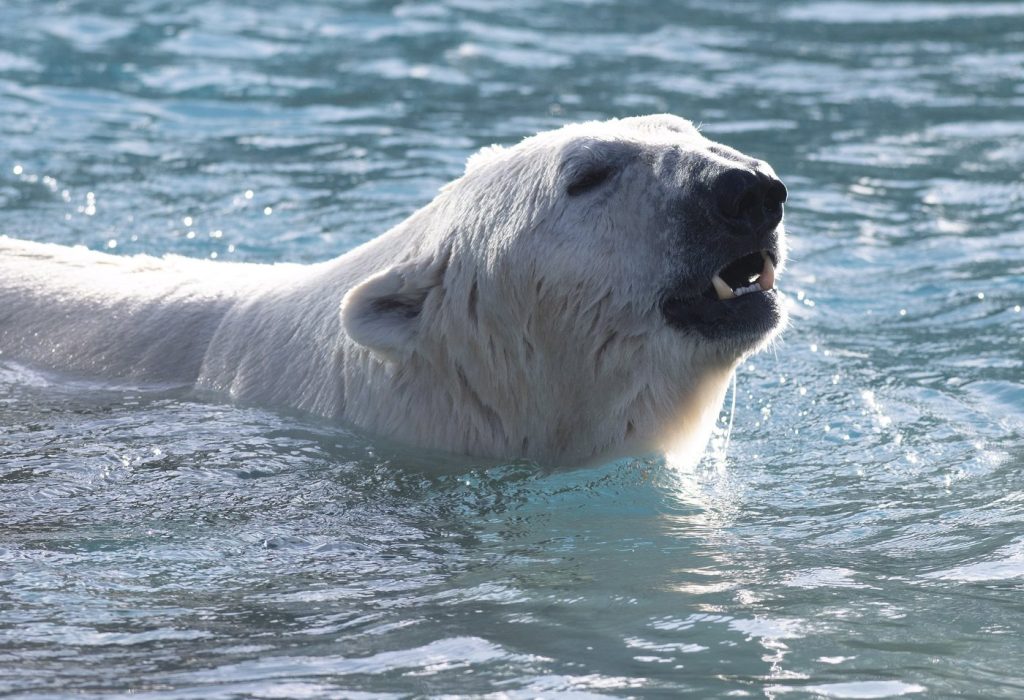
Alaska’s polar bears are facing a surge in pathogen exposure, driven by the warming Arctic environment, according to a study published in PLOS ONE on October 23. Pathogens previously unable to thrive in the harsh Arctic climate are now persisting due to rising temperatures. This shift has led to an increase in the vulnerability of polar bears to viruses, bacteria, and parasites, compounding the challenges for populations already struggling with habitat loss and food scarcity.

Pathogen Trends Over Time
The study analyzed blood samples from 232 polar bears in the Chukchi Sea collected between 2008 and 2017 and compared them to samples from 115 bears surveyed from 1987 to 1994. Researchers found significant increases in antibodies linked to pathogens such as Neospora caninum, which can affect neurological health, as well as bacteria causing brucellosis and tularemia. Notably, exposure to the parasite Toxoplasma gondii, often associated with felines, rose from 2% to 14%. Antibodies for canine distemper virus, which can cause severe illness in mammals, were also detected more frequently.

Impacts of Environmental Changes
Dr. Karyn Rode, a wildlife biologist with the U.S. Geological Survey and co-author of the study, explained how rising temperatures have enabled pathogens to survive in previously inhospitable Arctic regions. This environmental shift is particularly pronounced in the Chukchi Sea, where declining sea ice forces polar bears to spend more time on land. As a result, they are increasingly exposed to human activities, waste, and other animals, amplifying their contact with pathogens.

Broader Implications for Arctic Wildlife
The findings underscore the interconnected effects of climate change on Arctic ecosystems. Polar bears, as apex predators, are particularly vulnerable to cascading environmental shifts that disrupt their food web and increase disease risks. The study calls for more robust monitoring of Arctic wildlife health and greater efforts to mitigate human impacts in these fragile ecosystems. As the Arctic continues to warm, the survival of polar bears may hinge on comprehensive conservation strategies addressing both habitat loss and emerging health threats.

Controversial Arctic Ice Refreezing Project Sees Early Success, but Experts Warn of Potential Risks

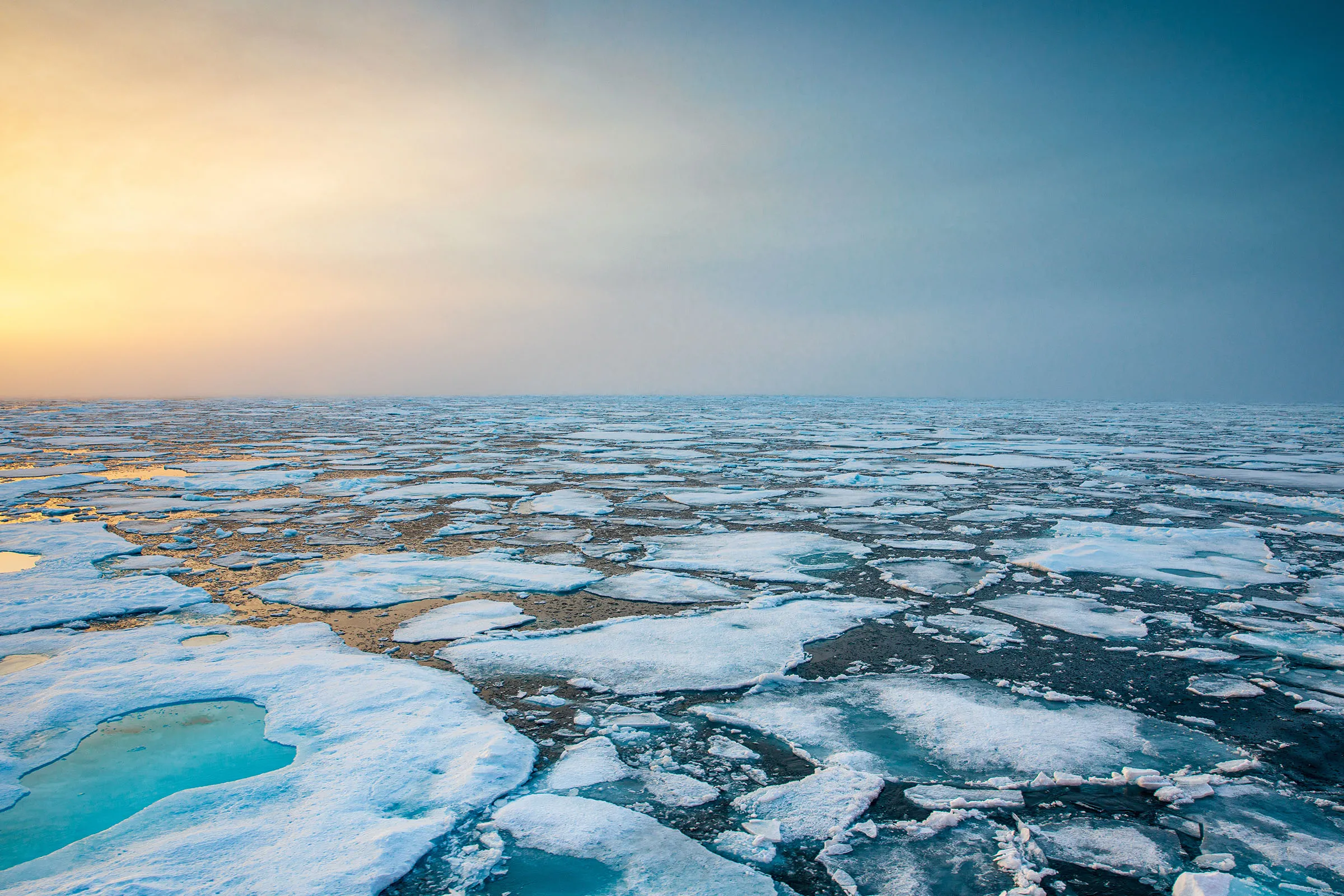
A controversial initiative aimed at refreezing the Arctic is generating promising early results but faces significant scrutiny from scientists concerned about its ecological impact and feasibility on a large scale. The project, spearheaded by the UK-based start-up Real Ice, is testing a novel approach to thickening Arctic sea ice in an effort to slow or reverse the loss of ice during the summer months, contributing to the global fight against climate change.

Real Ice’s technique involves using electric-powered submersible pumps to draw seawater from below the ice and pump it to the surface, where it freezes and thickens the ice layer. This process also removes snow from the ice’s surface, reducing its insulating effect and encouraging more ice growth beneath. In their initial tests in Cambridge Bay, Canada, the team managed to increase the ice thickness by up to 20 inches over a four-month period, with promising results in subsequent trials.

The project, which started field tests in Alaska in 2022 and expanded to Cambridge Bay in January 2023, aims to eventually cover 386,000 square miles of Arctic ice—an area more than twice the size of California. The technology is expected to be automated using underwater drones powered by green hydrogen, which would operate without disturbing animal migration paths or shipping lanes. Real Ice anticipates that, at full scale, the project could cost between $5 billion and $6 billion annually.

Despite the encouraging early results, the project has drawn sharp criticism from many climate scientists. Critics, including Jennifer Francis from the Woodwell Climate Research Center and Liz Bagshaw from the University of Bristol, warn that while local ice thickening is feasible, the scale required to make a significant impact on the Arctic ecosystem and global climate may not be achievable. They also point to the potential risks of large-scale interventions in such a delicate environment.

These concerns are compounded by ethical questions surrounding the project. Some scientists argue that geoengineering approaches like ice thickening divert attention from addressing the root causes of climate change, namely the burning of fossil fuels. Others worry that introducing unprecedented levels of human activity into the Arctic could have unforeseen and possibly harmful consequences on local ecosystems, such as disturbing marine life and altering algae growth patterns.

Real Ice defends its approach, emphasizing that its methods are inspired by natural processes and offer a last-ditch effort to protect a rapidly disappearing ecosystem. The company argues that the impacts of doing nothing—allowing the Arctic to continue losing ice—are far more severe.

The future of the project hinges on its ability to prove that ice thickening can be sustained over time without causing significant environmental harm. If successful, it could offer a new tool for mitigating the effects of climate change in the Arctic, but the scientific community remains divided on whether this ambitious geoengineering project can deliver meaningful results on a global scale.