
Close Menu
  • Home
  • Technology
  • Devices
  • Business
  • Science
  • Gadgets
  • Startups
Ayaksız
  • Home
  • Technology

    Lucid and Bolt Plan 25,000 Robotaxis for Europe

    Eylül 18, 2026

    AMD Gives PC Builders More Choice With New Ryzen 5 Desktop Chips

    Eylül 11, 2026

    Apple Expands Device Protection With a $49.99 Family Plan

    Eylül 11, 2026

    Snapdragon 8 Elite Extreme Gen 6 Reportedly Beats MediaTek’s Next Flagship Chipset

    Eylül 11, 2026

    Pinterest CFO Julia Donnelly to Step Down in October

    Ağustos 30, 2026
  • Devices

    iQOO 16 Design and Colour Options Unveiled With Major Camera Upgrade Confirmed

    Eylül 11, 2026

    Lava Bold N4 Pro 5G India Launch Date, Design and Key Specs Confirmed

    Eylül 11, 2026

    Xiaomi 18 Pro Max Geekbench Listing Reveals Key Specifications

    Eylül 10, 2026

    Samsung Galaxy Tab S12 Ultra, Tab S12+ Design Leaks in New Renders

    Eylül 10, 2026

    Vivo X500 Series Designs Revealed Ahead of September Launch

    Eylül 10, 2026
  • Business

    Google Pixel 11 Pro Leaked Renders Indicate It Might Sport Thinner Bezels Than the Pixel 10 Pro

    Mart 30, 2026

    Motorola Edge 70 Debuts With Snapdragon 7 Gen 4, Ultra-Slim 5.99mm Body

    Kasım 5, 2025

    Samsung Galaxy S26 Series Could See Price Increase Amid Rising Component Costs: Report

    Kasım 4, 2025

    Amazon’s AWS Partners with NBA to Power New AI Basketball Platform

    Ekim 4, 2025

    Billionaire-Backed Bitcoin Firm OranjeBTC to List on Brazil’s B3 Exchange

    Ekim 4, 2025
  • Science

    SpaceX’s $1.75 Trillion Valuation Raises Questions Ahead of IPO

    Nisan 11, 2026

    US Moves to Ease Satellite Power Limits, Boosting Space Broadband

    Nisan 10, 2026

    iPhone 17 Pro Max NASA Approves iPhone 17 Pro Max for Use on Artemis 2 Deep Space Mission

    Nisan 6, 2026

    Spain’s First Private 5G Satellite Mission

    Şubat 17, 2026

    Eutelsat Signs Launch Deal With MaiaSpace for LEO Satellites

    Ocak 17, 2026
  • Gadgets

    Vivo Buds Debut in India With Up to 50-Hour Battery Life

    Eylül 10, 2026

    Moto Buds 2 Fusion India Launch Date Confirmed, Features Teased

    Eylül 10, 2026

    Sennheiser Unveils Accentum Clip Earbuds With Up to 36 Hours of Total Battery Life

    Temmuz 2, 2026

    Nothing Ear 3a and CMF Buds Neo Appear in Regulatory Filings, Hinting at Upcoming Launch

    Haziran 2, 2026

    OnePlus Watch 4 Leak Hints at Launch With Snapdragon W5 and OxygenOS Watch 8

    Nisan 22, 2026
  • Startups

    Glean Reaches $7.2 Billion Valuation Amid AI Investment Surge

    Haziran 15, 2025

    How I Built a $2 Billion Super App: The Journey of Grab’s Anthony Tan and ’20-Hour’ Workdays

    Ekim 7, 2024

    Tupperware Files for Bankruptcy as Demand Declines

    Eylül 18, 2024

    Wildfire Detection Device Wins UK James Dyson Award

    Eylül 12, 2024

    Japan and Tokyo Governments Eye $4.7 Billion Valuation for Tokyo Metro in Upcoming IPO

    Ağustos 19, 2024
Ayaksız
Anasayfa » Blog » Controversial Arctic Ice Refreezing Project Sees Early Success, but Experts Warn of Potential Risks
Science

Controversial Arctic Ice Refreezing Project Sees Early Success, but Experts Warn of Potential Risks

By ayaksızAralık 12, 2024Yorum yapılmamış3 Mins Read
Facebook Twitter Pinterest LinkedIn Tumblr Email
Share
Facebook Twitter LinkedIn Pinterest Email

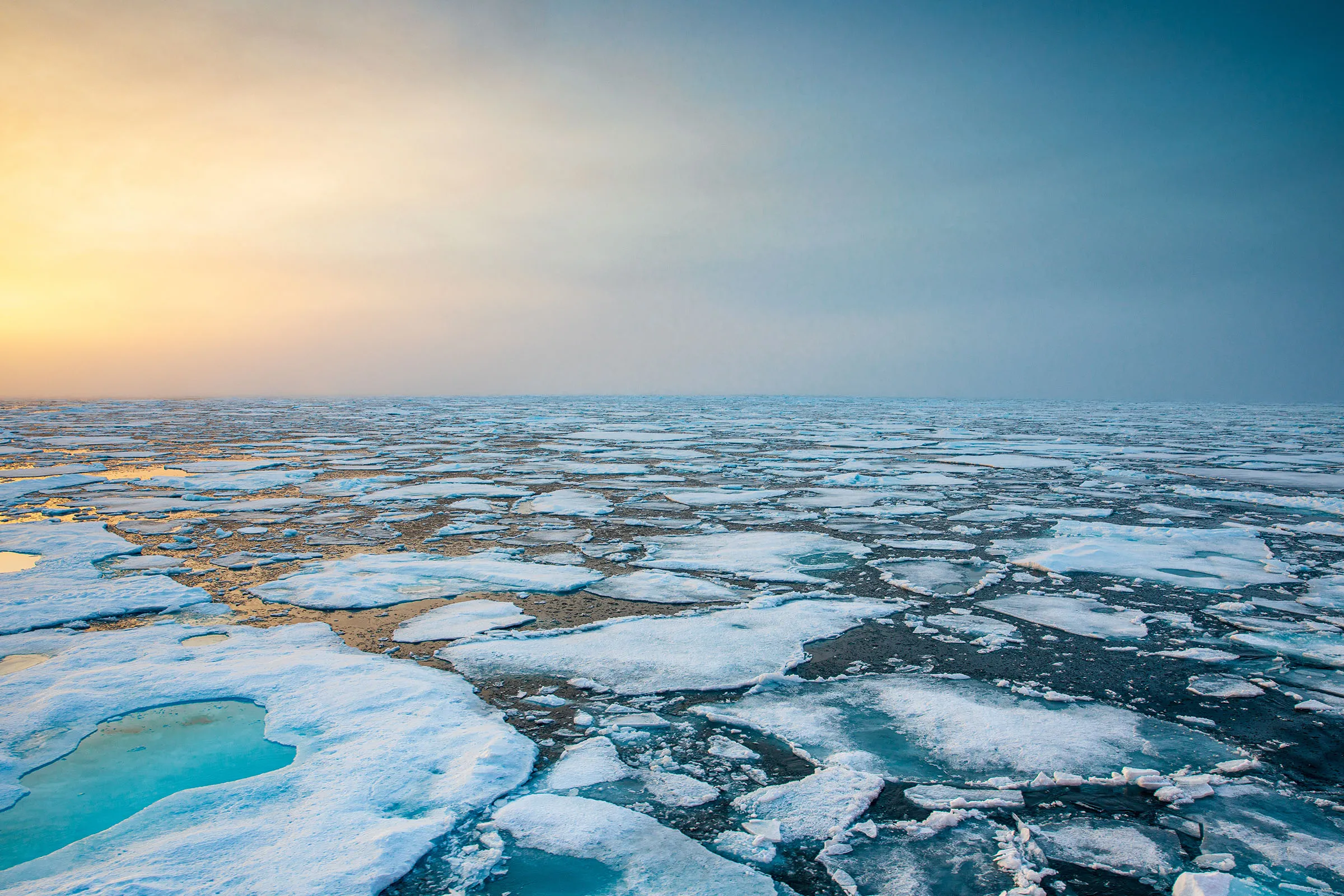
A controversial initiative aimed at refreezing the Arctic is generating promising early results but faces significant scrutiny from scientists concerned about its ecological impact and feasibility on a large scale. The project, spearheaded by the UK-based start-up Real Ice, is testing a novel approach to thickening Arctic sea ice in an effort to slow or reverse the loss of ice during the summer months, contributing to the global fight against climate change.

Real Ice’s technique involves using electric-powered submersible pumps to draw seawater from below the ice and pump it to the surface, where it freezes and thickens the ice layer. This process also removes snow from the ice’s surface, reducing its insulating effect and encouraging more ice growth beneath. In their initial tests in Cambridge Bay, Canada, the team managed to increase the ice thickness by up to 20 inches over a four-month period, with promising results in subsequent trials.

The project, which started field tests in Alaska in 2022 and expanded to Cambridge Bay in January 2023, aims to eventually cover 386,000 square miles of Arctic ice—an area more than twice the size of California. The technology is expected to be automated using underwater drones powered by green hydrogen, which would operate without disturbing animal migration paths or shipping lanes. Real Ice anticipates that, at full scale, the project could cost between $5 billion and $6 billion annually.

Despite the encouraging early results, the project has drawn sharp criticism from many climate scientists. Critics, including Jennifer Francis from the Woodwell Climate Research Center and Liz Bagshaw from the University of Bristol, warn that while local ice thickening is feasible, the scale required to make a significant impact on the Arctic ecosystem and global climate may not be achievable. They also point to the potential risks of large-scale interventions in such a delicate environment.

These concerns are compounded by ethical questions surrounding the project. Some scientists argue that geoengineering approaches like ice thickening divert attention from addressing the root causes of climate change, namely the burning of fossil fuels. Others worry that introducing unprecedented levels of human activity into the Arctic could have unforeseen and possibly harmful consequences on local ecosystems, such as disturbing marine life and altering algae growth patterns.

Real Ice defends its approach, emphasizing that its methods are inspired by natural processes and offer a last-ditch effort to protect a rapidly disappearing ecosystem. The company argues that the impacts of doing nothing—allowing the Arctic to continue losing ice—are far more severe.

The future of the project hinges on its ability to prove that ice thickening can be sustained over time without causing significant environmental harm. If successful, it could offer a new tool for mitigating the effects of climate change in the Arctic, but the scientific community remains divided on whether this ambitious geoengineering project can deliver meaningful results on a global scale.


Arctic Ecosystem Arctic Ice Climate Change Climate Solutions Environmental Risks geoengineering Ice Refreezing Real Ice Sea Ice Sustainable Innovation
Share. Facebook Twitter Pinterest LinkedIn Tumblr Email
ayaksız
  • Website

Related Posts

SpaceX’s $1.75 Trillion Valuation Raises Questions Ahead of IPO

Nisan 11, 2026

US Moves to Ease Satellite Power Limits, Boosting Space Broadband

Nisan 10, 2026

iPhone 17 Pro Max NASA Approves iPhone 17 Pro Max for Use on Artemis 2 Deep Space Mission

Nisan 6, 2026
Add A Comment

Comments are closed.

Recent Posts
  • Lucid and Bolt Plan 25,000 Robotaxis for Europe
  • AMD Gives PC Builders More Choice With New Ryzen 5 Desktop Chips
  • Apple Expands Device Protection With a $49.99 Family Plan
  • Snapdragon 8 Elite Extreme Gen 6 Reportedly Beats MediaTek’s Next Flagship Chipset
  • iQOO 16 Design and Colour Options Unveiled With Major Camera Upgrade Confirmed
Tags
AI AI Chips AI Infrastructure Amazon Android Apple Artificial Intelligence Bitcoin ChatGPT China Cryptocurrency Cybersecurity data centers DeepSeek Donald Trump Electric Vehicles Elon Musk Ether Generative AI Google Huawei India Investment Iphone Meta Microsoft NASA National Security Nvidia OnePlus OpenAI Oppo Realme Samsung semiconductor industry Social media Sony SpaceX Technology Tesla Tether TikTok Vivo WhatsApp Xiaomi
Ayaksız
Instagram
© 2026 Ayaksız.

Type above and press Enter to search. Press Esc to cancel.