
Yazılar

NASA and German Satellites Show Global Freshwater Levels Have Been Dropping Since 2014

Global freshwater reserves have been on a steady decline since May 2014, according to a comprehensive study conducted by an international team using NASA and German satellites. Data from the Gravity Recovery and Climate Experiment (GRACE) mission revealed a marked reduction in the amount of freshwater stored on land, including in lakes, rivers, and underground aquifers. The findings, published in Surveys in Geophysics, suggest that this ongoing decrease may signal a shift towards drier conditions worldwide, affecting regions from Asia to North America.

The study quantified the loss of freshwater between 2015 and 2023, revealing a decrease of 290 cubic miles compared to the average levels recorded from 2002 to 2014. This loss is more than twice the volume of Lake Erie, a startling statistic that underscores the severity of the situation. Contributing factors to this freshwater reduction include prolonged droughts and the growing reliance on groundwater for agricultural and urban needs. The overuse of groundwater, particularly for irrigation and drinking water, depletes reserves faster than they can be naturally replenished. A 2024 United Nations report warned of the societal risks posed by these diminishing water supplies, including famine, poverty, and the increased reliance on unsafe water sources.

In addition to human activities, the effects of climate change are also playing a significant role in the depletion of freshwater. Rising global temperatures are exacerbating the loss of water by intensifying evaporation and increasing the atmosphere’s capacity to hold moisture. According to Michael Bosilovich, a meteorologist at NASA Goddard, this leads to more extreme rainfall events, but these are often interspersed with longer dry periods that reduce soil absorption. This cycle of extreme weather patterns results in more frequent and severe droughts, further aggravating water shortages.

The implications of these findings are profound, signaling not only a decrease in available freshwater but also potential consequences for agriculture, ecosystems, and human health. As the global population continues to grow and climate change accelerates, the management and conservation of freshwater resources will become ever more critical in ensuring a sustainable future.

‘Chonkus’ Algae Discovered Off Italian Coast Could Offer Solutions for Climate Change Mitigation

A groundbreaking strain of cyanobacteria, nicknamed “Chonkus,” has been discovered in the hydrothermal waters surrounding Italy’s Vulcano Island, stirring excitement due to its potential for carbon capture. The strain, formally known as UTEX 3222, was found during a marine study focused on collecting water samples from the volcanic vents in the region. The large cyanobacteria exhibit unique properties that may make them valuable in efforts to mitigate climate change by capturing carbon dioxide (CO₂) from the environment.

The volcanic hydrothermal environment around Vulcano Island is rich in carbon dioxide, which provides an ideal setting for Chonkus to thrive. Research has shown that this strain of cyanobacteria produces carbon-dense granules within its cells, a characteristic that accelerates its sinking rate in the ocean. As the algae absorb CO₂ from the surrounding water, they become more efficient at sequestering carbon, eventually sinking to the ocean depths where the captured carbon is stored for long periods, potentially reducing atmospheric CO₂ levels over time.

Beyond its natural role in marine ecosystems, Chonkus presents intriguing possibilities for industrial applications, particularly in carbon capture technologies. This cyanobacteria’s ability to store carbon internally could offer significant advantages for industries looking to reduce their carbon footprints. Studies suggest that Chonkus may be able to improve carbon capture efficiency by up to 30 percent compared to other methods, potentially lowering energy costs for industrial processes. This could be a game-changer in efforts to combat climate change through more sustainable and cost-effective means.

The discovery of Chonkus has drawn attention from leading scientists, including Professor George Church, a prominent researcher at Harvard University and the Massachusetts Institute of Technology. Church highlighted the significance of harnessing natural evolutionary processes, like the ones seen in Chonkus, to help tackle global environmental challenges. With further research and development, Chonkus could become a key player in carbon capture strategies, offering an innovative solution to help reverse the impacts of climate change.

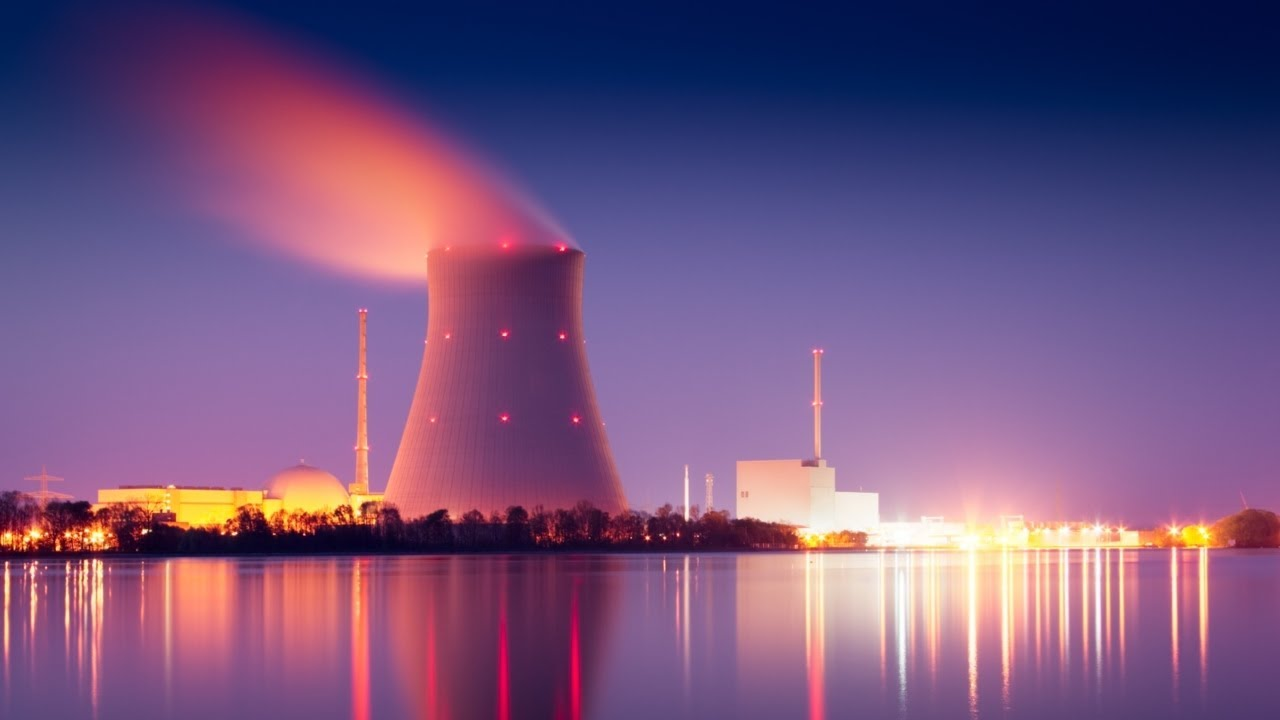
Is Nuclear Power Experiencing a Revival?

Overview

Once overshadowed by safety concerns, cost overruns, and waste disposal issues, nuclear power is now experiencing a resurgence in global interest. With investments from tech giants like Microsoft, Google, and Amazon, coupled with growing urgency to reduce carbon emissions, the nuclear sector appears poised for a potential revival. However, significant hurdles remain, including high costs and public skepticism.


Historical Context and Setbacks

In the mid-20th century, nuclear energy was heralded as a revolutionary technology capable of delivering vast amounts of energy with minimal fuel. However, high-profile accidents like Chernobyl (1986) and Fukushima (2011) eroded public confidence, leading to widespread opposition. Countries such as Germany phased out nuclear energy entirely, and the global nuclear generation capacity declined, losing 48GW between 2011 and 2020.


Resurgence Driven by Modern Challenges

Recent years have seen a renewed focus on nuclear power due to:

  1. Climate Goals: Countries striving to meet Paris Agreement commitments are reevaluating nuclear energy as a reliable, low-emission power source.
  2. Energy Security: Russia’s invasion of Ukraine and global energy crises have highlighted the need for secure, domestically controlled energy sources.
  3. Tech Industry Demands: The rise of AI and data centers, which require constant electricity, has led companies like Microsoft and Google to invest in nuclear power.

For instance, Microsoft has signed a deal to restart Pennsylvania’s Three Mile Island reactor, while Google and Amazon are exploring Small Modular Reactors (SMRs) to meet their energy needs.


Technological Innovations

Small Modular Reactors (SMRs):
SMRs are emerging as a potential game-changer, offering a more affordable and scalable alternative to traditional reactors. These reactors are smaller, quicker to construct, and can be deployed closer to where energy is needed. However, while SMRs are still in the developmental stage, with over 80 designs being explored globally, none have yet proven commercially viable.

International Expansion:

  • China: Increased its nuclear capacity from 13 reactors in 2011 to 55 today, with 23 more under construction.
  • France: Reversed plans to reduce nuclear reliance, now aiming to build up to eight new reactors.
  • South Korea: Abandoned its nuclear phase-out plans in favor of expansion.

Additionally, at COP29, the U.S., UK, and 29 other nations committed to tripling their nuclear capacity by 2050, emphasizing its role in combating climate change.


Economic and Safety Concerns

Despite its promise, nuclear energy faces significant barriers:

  1. Cost Overruns: Projects like Hinkley Point C in the UK and Plant Vogtle in the U.S. have suffered delays and budget overruns, highlighting the financial risks of large-scale nuclear investments.
  2. Radioactive Waste: Safe disposal of nuclear waste remains unresolved. While Finland has developed a geological disposal facility, most countries have yet to implement such solutions.
  3. Public Skepticism: Fear of accidents and environmental risks continues to polarize opinions.

Diverging Views

Supporters’ Perspective:
Proponents argue that nuclear power is indispensable for achieving net-zero emissions. Rod Adams, founder of Nucleation Capital, points to its reliability, low operational costs, and safety record as key advantages.

Critics’ Concerns:
Opponents like Professor M.V. Ramana argue that nuclear energy is prohibitively expensive and not as clean as advertised. They advocate for investment in cheaper renewable sources like wind and solar to achieve greater emission reductions per dollar.


The Road Ahead

While nuclear power is seeing a renewed push globally, its future hinges on overcoming cost challenges, proving the viability of SMRs, and addressing the long-term issue of waste disposal. As the world grapples with climate change and energy security, nuclear power may play a pivotal role—if it can meet these challenges.