Yazılar

G20 Leaders Focus on Climate Change at Rio Summit’s Final Day

Climate Focus Dominates G20 Summit in Rio

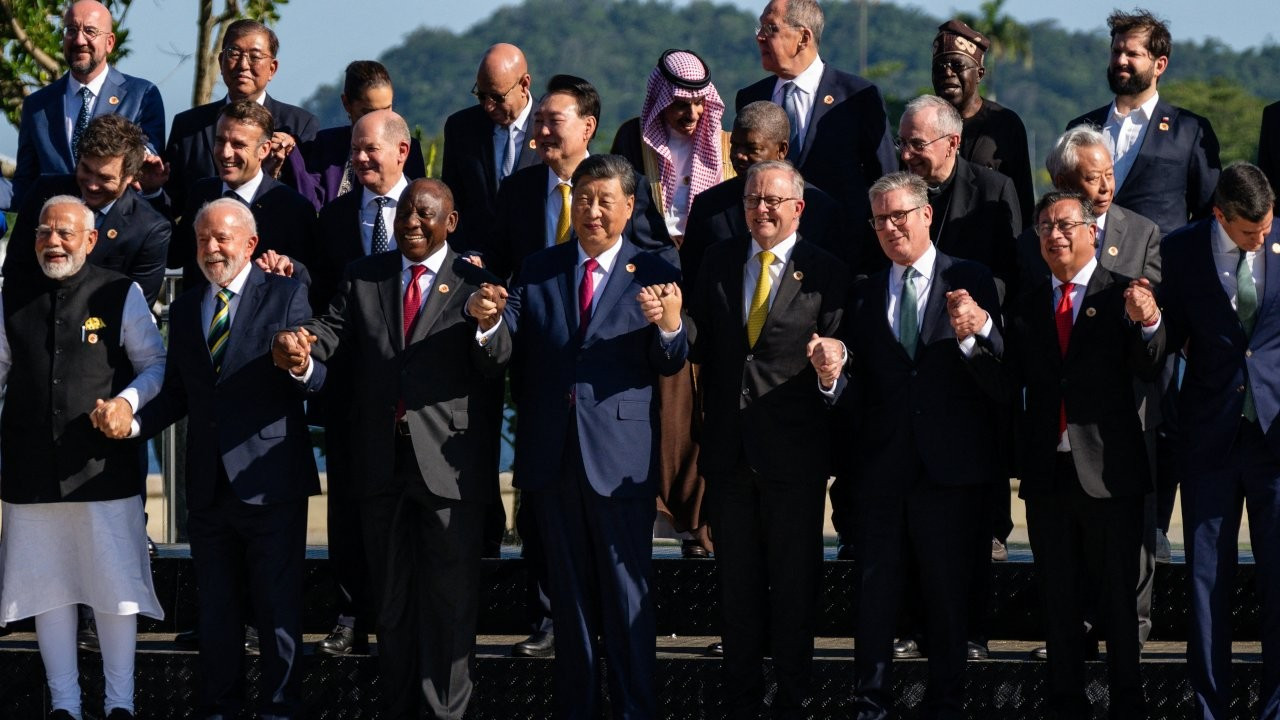
On the final day of the G20 summit in Rio de Janeiro, world leaders turned their attention to the pressing issue of climate change, aiming to push forward a global response as they prepare for critical U.N. climate talks in Azerbaijan. The discussions centered on sustainable development and the transition to cleaner energy sources, with an emphasis on securing a successful deal at COP29.

The host of COP29, which is taking place in Baku, Azerbaijan, made an urgent call for G20 countries to send a strong signal about the need to address climate change. The plea was made as the U.N. talks faced difficulties, threatening to stall progress in the global fight against warming temperatures.

As the world is on track to experience its warmest year on record, leaders at the G20 summit are particularly focused on building momentum before the potential return of Donald Trump to the U.S. presidency in January. Trump has indicated that, if reelected, he would withdraw from the Paris Agreement on climate change and reverse U.S. policies aimed at mitigating global warming.


G20 Leaders Commit to Climate Finance and Address Global Disparities

A joint statement issued by the G20 leaders emphasized the need to “rapidly and substantially increase climate finance from billions to trillions from all sources” to fund climate mitigation and adaptation efforts. The leaders also stressed the importance of reaching a new financial goal to provide support to developing nations, particularly in light of the challenges posed by climate change.

Despite these commitments, the statement refrained from specifying what the financial targets should be at the U.N. summit. Economists suggest that the goal should be at least $1 trillion annually to effectively address the needs of vulnerable nations. While the G20 recognized the need to resolve this issue, the exact solution remains unclear.

Developed countries, including those in Europe, have called for a broader contributor base that includes wealthier developing nations such as China and Middle Eastern countries. In contrast, developing nations like Brazil, the host country of the G20 summit, have resisted expanding the financial responsibility beyond the historically responsible developed nations.


Environmental Impact and Plastic Pollution Agreement

At the opening of the summit, Brazilian President Luiz Inácio Lula da Silva stressed the urgency of addressing climate change, which has become increasingly evident worldwide. With the G20 countries responsible for more than three-quarters of global emissions, their role in shaping a unified response to climate change is seen as crucial.

In addition to climate finance, the G20 also committed to finalizing a legally binding treaty to combat plastic pollution by the end of 2024. This commitment aims to conclude over two years of negotiations and establish global regulations to reduce plastic waste, which is another significant environmental challenge.
G20 Summit Kicks Off with Global Pact to Fight Hunger and Poverty

Global Alliance Against Hunger and Poverty

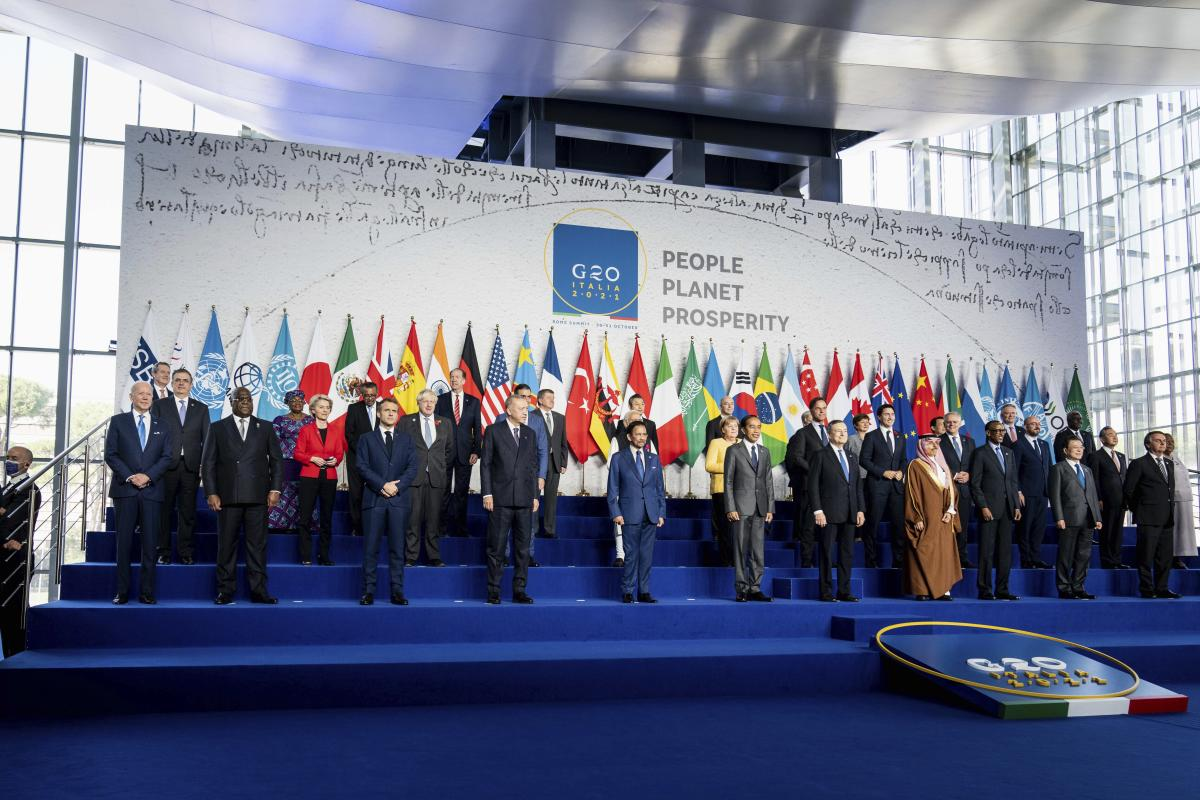
Brazil’s President Luiz Inacio Lula da Silva opened the Group of 20 (G20) summit on Monday with the launch of a groundbreaking global alliance aimed at combating hunger and poverty. A total of 81 countries have agreed to support this initiative, which emphasizes coordinated efforts to address these challenges globally.

  • Alliance Backed by Major Entities: The alliance is supported by the African Union, European Union, international organizations, development banks, and major philanthropies such as the Rockefeller Foundation and the Bill & Melinda Gates Foundation.
  • Lula’s Message: In his opening remarks, Lula, who rose from poverty and organized a metalworkers union, stressed that hunger and poverty are political decisions, not the result of scarcity or natural events.

G20 Agenda Amid Global Shifts

As leaders gathered in Rio de Janeiro for two days of talks, their discussions on trade, climate change, and international security are expected to clash with shifting U.S. policies under President-elect Donald Trump.

  • U.S. Policy Changes: Trump’s stance on tariffs, the war in Ukraine, and other issues is set to reshape the global agenda once he takes office in January.
  • Escalating Ukraine Conflict: A recent Russian airstrike on Ukraine and a new U.S. decision to allow Ukraine to use U.S. weapons to target deeper into Russia have created challenges for diplomats trying to reach consensus on the war.

Tensions and Security Concerns in Rio

Security in Rio has been heightened with the presence of Brazilian troops and police reinforcements. Despite this, a Brazilian army patrol came under gunfire near a slum in Rio de Janeiro, though no one was injured.

  • Geopolitical Tensions: Amid these tensions, the summit is being held against the backdrop of escalating conflicts in Gaza and Ukraine, with discussions focused on the global governance system and economic inequalities.

New White House Priorities and China’s Role

While U.S. President Joe Biden is seen as a lame duck with only two months left in office, China’s President Xi Jinping is poised to play a central role at the summit.

  • Biden’s Contributions: Biden is expected to announce a significant pledge to the World Bank’s International Development Association fund and launch a clean energy partnership with Brazil.
  • China’s Economic Influence: Xi is expected to promote China’s Belt & Road initiative, although Brazil has opted not to join.
  • U.S.-China Tensions: The G20 summit’s trade talks are also set to be impacted by Trump’s plans to escalate the U.S.-China trade war.

Brazil’s Push for Reform Faces Obstacles

Brazil’s efforts to push for reform in global governance and multilateral financial institutions could face challenges under Trump’s administration, particularly in areas like taxing the super-rich, an issue close to Lula’s agenda.

  • Opposition from Allies: Argentine President Javier Milei, a new ally of Trump in Latin America, has already rejected including a mention of taxing the wealthy in the summit’s joint communique.

Largest Ocean Predator-Prey Encounter Ever Recorded Captured Near Norway’s Coast

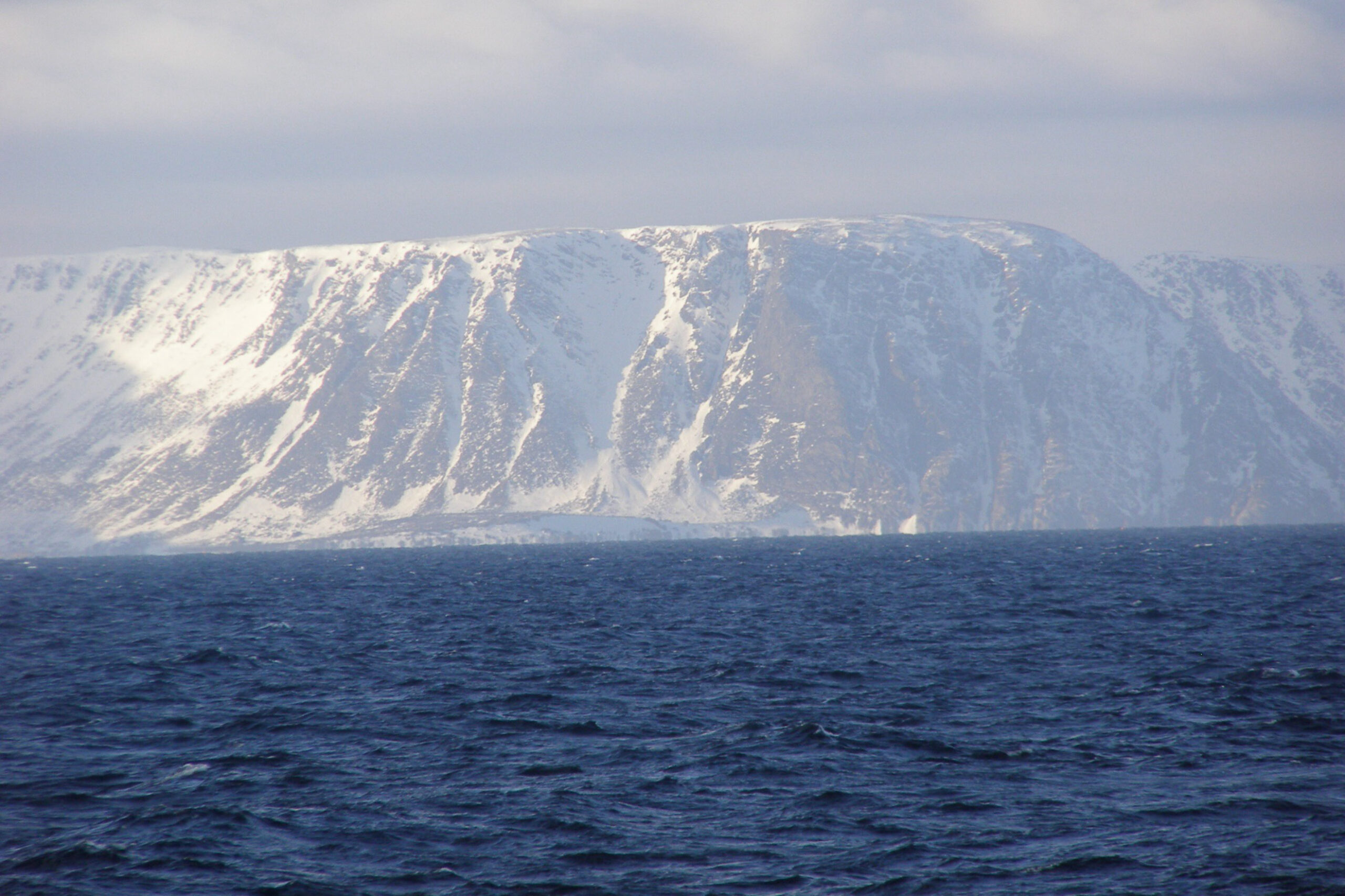
A groundbreaking predator-prey event in the coastal waters of Norway has recently captivated the scientific community. This remarkable spectacle, which represents the largest observed marine feeding event to date, has revealed fascinating insights into the complex dynamics of the ocean’s food chain. Led by Professor Nicholas Makris from MIT’s Department of Mechanical and Ocean Engineering, a team of researchers witnessed a vast congregation of cod aggressively pursuing spawning capelin, offering a fresh perspective on the behavioral patterns of these species.

Every February, billions of capelin, small Arctic fish, embark on an essential migration from the Arctic ice edge to Norway’s coastline to spawn. This migration is crucial for the survival of numerous marine species, as it provides a rich food source for seabirds, whales, and predatory fish such as the Atlantic cod. During this time, cod take full advantage of the capelin’s presence, building up energy reserves that will sustain them throughout the year. The predator-prey relationship between cod and capelin is usually well-balanced, but disruptions to this dynamic can have far-reaching consequences on the broader Arctic ecosystem.

Professor Makris and his team used an innovative imaging technology known as Ocean Acoustic Waveguide Remote Sensing (OAWRS) to track these massive fish movements. This technique involves sending sound waves deep beneath the water’s surface to map fish populations over large areas in real-time. The method allows researchers to observe the intricate details of predator-prey interactions across vast distances, offering a more comprehensive understanding of these underwater phenomena. Additionally, the team integrated multispectral acoustic mapping, a novel approach that identifies specific fish species by analyzing the unique resonant frequencies of their swim bladders.

By differentiating between species such as cod and capelin based on the sounds they emit, researchers were able to monitor and document the event with remarkable precision. This technological advancement marks a significant leap forward in marine biology, allowing scientists to observe complex ecological interactions that were previously difficult to capture. The findings from this study not only expand our understanding of marine life but also underscore the critical importance of the capelin migration in maintaining the delicate balance of the Arctic ecosystem.