Yazılar

Global Fossil Fuel Emissions Set Record in 2024, Thwarting Hopes of Decline

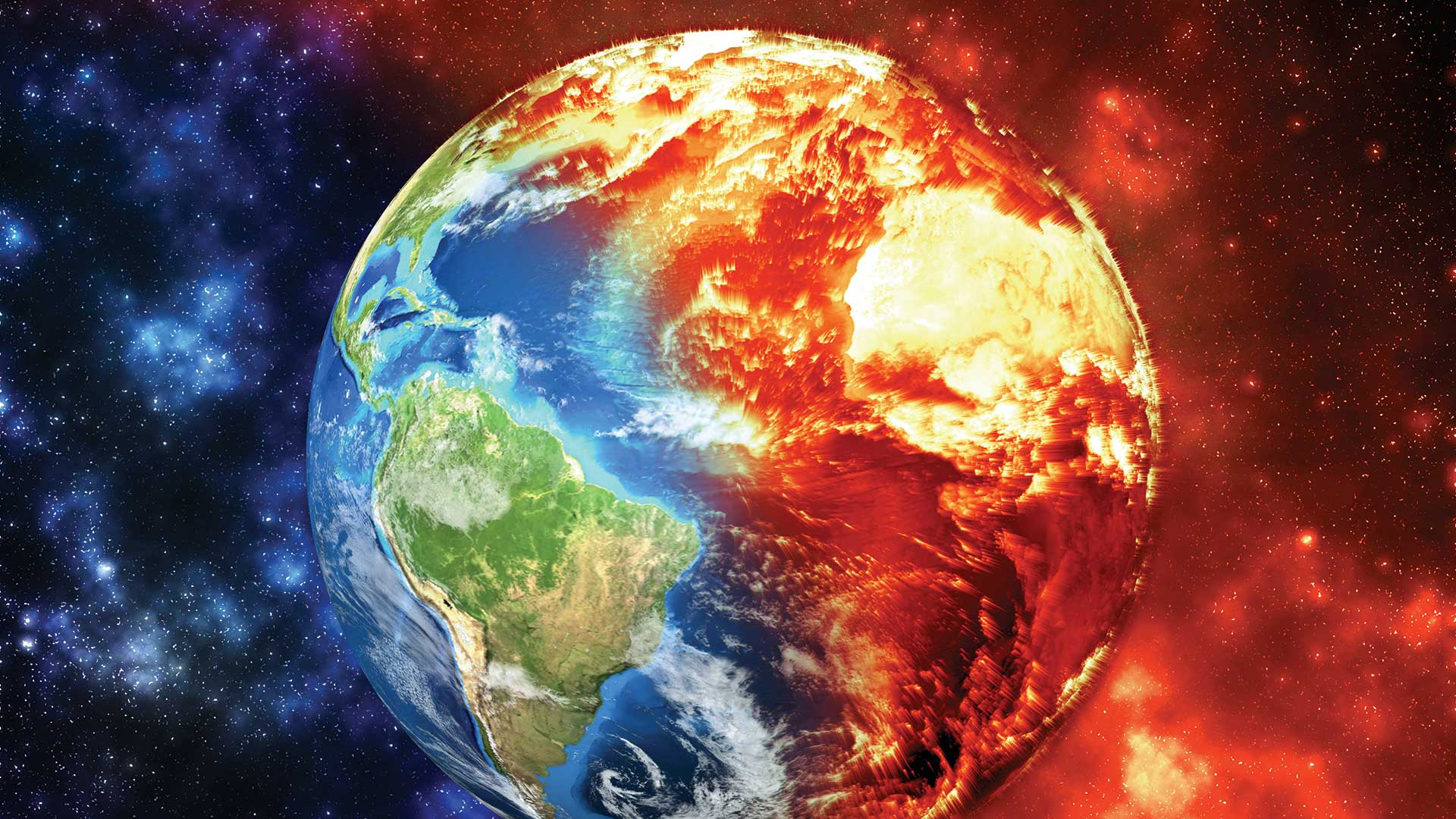
Global emissions from fossil fuels are projected to reach unprecedented levels this year, with an estimated 37.4 billion metric tons of planet-heating pollution—an increase of 0.8% from 2023—dashing expectations that 2024 would mark a decline. The rise, reported by the Global Carbon Project, indicates continued increases in emissions from coal, oil, and gas, despite mounting evidence of the need for rapid climate action.

This troubling news coincides with the COP29 UN climate summit in Baku, Azerbaijan, where leaders face growing anxiety over potential shifts in global climate policy under a possible second Trump administration. The urgency for climate action is reinforced by 2024’s extreme weather, with record-breaking temperatures and a series of natural disasters including hurricanes, floods, and severe droughts.

Pierre Friedlingstein, climate professor at the University of Exeter and lead author of the report, highlighted the continuing growth of fossil fuel emissions as “increasingly dramatic” given the escalating impacts of climate change.

Emissions from Deforestation and Land Use Also Rising In addition to fossil fuels, emissions linked to land-use changes, such as deforestation, are projected to rise due to severe droughts and wildfires this year. Combined, global climate pollution is anticipated to reach 41.6 billion metric tons in 2024, up from 40.6 billion metric tons in 2023. While this increase may seem modest, it places the world further off track in reducing emissions enough to stabilize global warming.

The increase contrasts with some regional progress. Emissions in the U.S. and Europe are expected to decrease, and China’s emissions growth appears to be slowing and may even decline this year. However, these reductions are counterbalanced by rising emissions in other parts of the world, particularly in India.

1.5-Degree Threshold Threatened To limit global warming to 1.5 degrees Celsius, in line with the Paris climate agreement, fossil fuel emissions need to be cut roughly in half by 2030. Scientists warn that exceeding this threshold could trigger irreversible climate tipping points and endanger human and ecological resilience. Although some temporary 12-month warming periods have already surpassed this critical level, scientists are most concerned about the risk of prolonged warming beyond 1.5 degrees, which could be reached within six years at current emission rates.

Carbon Removal Efforts Lagging Despite interest in carbon removal technologies, the report finds that these technologies currently capture only a minuscule fraction of emissions. According to Friedlingstein, only rapid and substantial reductions in fossil fuel emissions will prevent catastrophic climate consequences. He urged world leaders at COP29 to implement immediate, far-reaching measures to curb emissions.

 

Four Storms Swirling in West Pacific Threaten Philippines with More Devastation

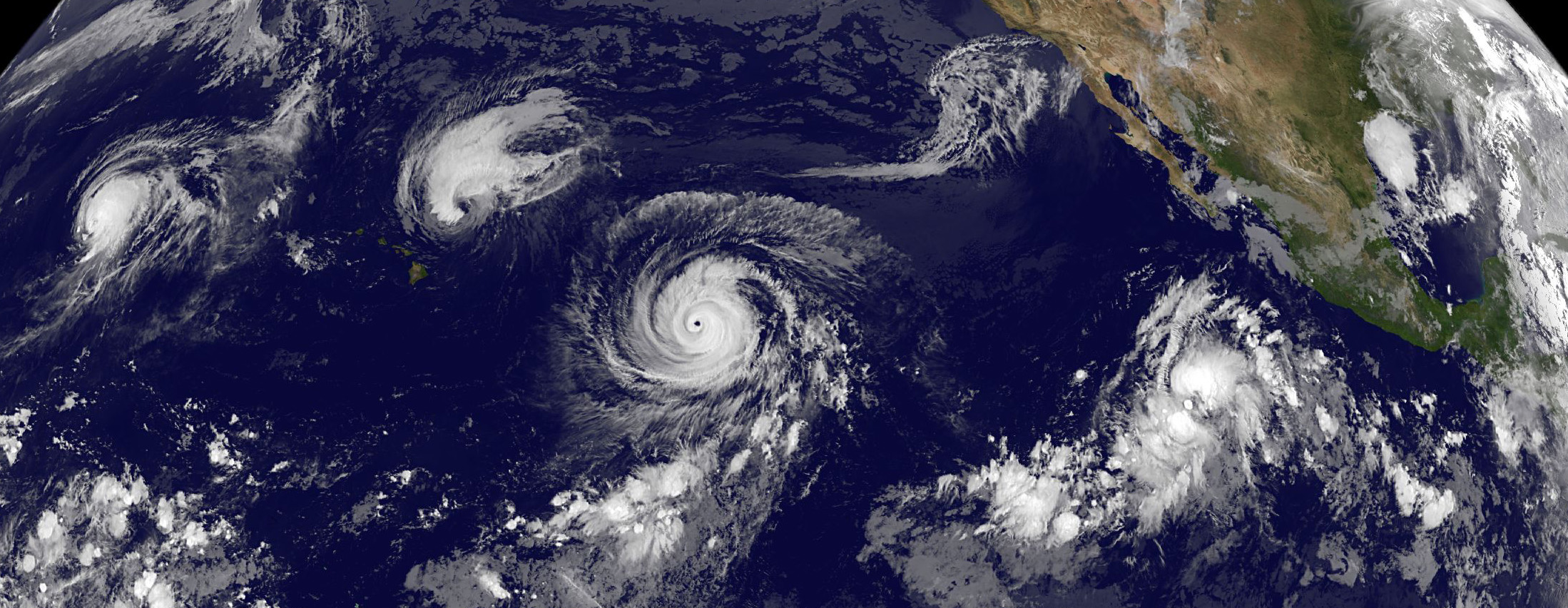
The West Pacific is currently contending with a rare phenomenon: four storms active at the same time, a situation last seen in November since record-keeping began in 1951, according to Japan’s Meteorological Agency. These storms—Typhoon Yinxing, Typhoon Toraji, Tropical Storm Usagi, and Tropical Storm Man-Yi—are spread across the vast basin, from Vietnam to Guam, and are raising alarm across Southeast Asia, particularly in the Philippines.

The Philippines, already prone to annual storms, faces even greater hardship as a succession of typhoons in recent weeks has complicated ongoing recovery efforts. Thousands remain in evacuation shelters as communities brace for more potentially destructive weather.

Typhoon Yinxing Impact On Thursday, Typhoon Yinxing swept over the northeastern Philippines with winds equivalent to a Category 4 Atlantic hurricane. While no casualties were reported, the storm brought severe rainfall, storm surges, and landslides, leaving behind damaged homes, schools, and livelihoods. Philippine President Ferdinand Marcos Jr. visited affected communities in Cagayan and Ilocos Norte, distributing food and relief packages. “While we’re truly grateful that no lives were lost, the damage it left behind has affected homes, schools, and livelihoods,” Marcos stated. He emphasized the government’s focus on recovery and preparation for more storms in the coming days.

After exiting the Philippines, Yinxing drifted into the South China Sea, moving towards Vietnam, where it is currently causing heavy rains.

Typhoon Toraji Strikes The day after Yinxing’s impact, Typhoon Toraji struck Luzon’s eastern coast in Aurora province with winds reaching Category 1 hurricane strength, leading to further evacuations. Toraji has since weakened to a tropical storm, but it is anticipated to bring significant rainfall to parts of southeastern China.

Storms Usagi and Man-Yi Approach The Philippines now braces for another imminent threat, with Tropical Storm Usagi, currently around 720 kilometers off its northeastern coast, expected to strengthen into a typhoon. Local weather agencies have issued warnings about strong winds and storm surges within the next 48 hours.

Following Usagi is Tropical Storm Man-Yi, located about 255 kilometers southwest of Guam. Man-Yi is predicted to reach typhoon strength by Friday and may approach the Philippines by Sunday with potential Category 3 hurricane winds. Though it’s uncertain if these storms will make direct landfall, their proximity increases the likelihood of heavy rainfall, high winds, and storm surges.

Cumulative Impact and “Typhoon Fatigue” The Philippines has already endured six named storms this year. In late October, Tropical Storm Trami and Typhoon Kong-Rey triggered severe flooding and landslides in northern Luzon, displacing nearly 300,000 people and affecting over nine million. Amid ongoing relief operations, health officials are warning of “typhoon fatigue,” as residents, relief workers, and volunteers face exhaustion, burnout, and psychological strain from repeated evacuations and continuous disaster response.

Southeast Asia’s vulnerability to extreme weather makes it particularly susceptible to the impacts of climate change. Warmer ocean temperatures—attributed to human-induced climate change—are driving storms to grow stronger and form later in the season. Experts caution that as ocean temperatures continue to rise, Southeast Asia, particularly countries like the Philippines, may face increasingly severe and frequent storms in the years ahead.

As the storms approach, the Philippines braces once again for potential devastation, with hopes that emergency preparedness and support can mitigate the impact on already hard-hit communities.


Slow Warnings and Inadequate Defenses Expose Spain to Catastrophic Flooding

The recent deadly floods in Spain highlighted critical delays in public warnings and long-standing issues with flood defenses. Aitana Puchal, one of the affected residents near Paiporta, received an emergency alert at 8 pm on October 29 from Valencia’s regional government, advising people to shelter due to severe flooding. By then, however, knee-high waters had already forced her and others to take refuge on the first floor of a hotel. Many others faced similar challenges, stranded without sufficient warning as floodwaters quickly inundated homes and streets.

Inhabitants of several flooded towns reported that the alert came too late to act, with streets already submerged. Some institutions, including Valencia University, had issued warnings the day before, advising against travel and suspending activities, while the national weather service had also flagged severe weather risks as early as October 25. However, conflicting messages and delayed alerts hampered effective response, contributing to significant loss of life. The floods, Spain’s deadliest in over fifty years, resulted in more than 220 deaths, with dozens still missing.

Despite early warnings from the national meteorological agency, AEMET, which raised the risk level to red at 7:36 am on October 29, regional alerts lagged. Throughout the day, emergency services exchanged emails and calls but failed to issue a timely shelter-in-place order. By the time floodwaters surged through the Poyo ravine, a usually dry waterway west of Valencia, it had reached three times the flow rate of the Ebro River, Spain’s largest, and had overwhelmed nearby towns.

The lack of adequate flood defenses and public education about flood risks worsened the disaster. Experts criticized long-term governmental delays in implementing flood mitigation measures. Hydraulic engineer Felix Frances from Valencia Polytechnic University had proposed a flood management plan for the Poyo ravine seventeen years earlier, yet the project expired in 2017 without any work being initiated. Only a week after the catastrophe did the government pledge 10.6 billion euros in relief.

Local experts highlighted that many deaths could have been prevented with better infrastructure and community preparedness. Public education efforts in Valencia have largely focused on fire risks, with minimal guidance on flood response. As climate change brings increasingly severe weather to Spain’s Mediterranean coast, the lack of such preparedness is an ongoing concern.

The regional government’s head, Carlos Mazon, who faced criticism for his handling of the disaster, maintained that he was in continuous contact with his team. However, he was seen attending a tourism event and budget meeting during the crisis. Mazon stated that fluctuating water flow reports contributed to delayed action, though public frustration remains high.

As Spain looks to recover, experts like Luis Bañon from the University of Alicante stress the need for proactive flood defenses and public education. The disaster underscores the importance of coordinated and timely disaster management, especially as extreme weather events become more frequent in Europe.