Yazılar

Can Diamond Dust Injection in the Atmosphere Combat Climate Change

Exploring the Potential of Diamond Dust for Climate Cooling

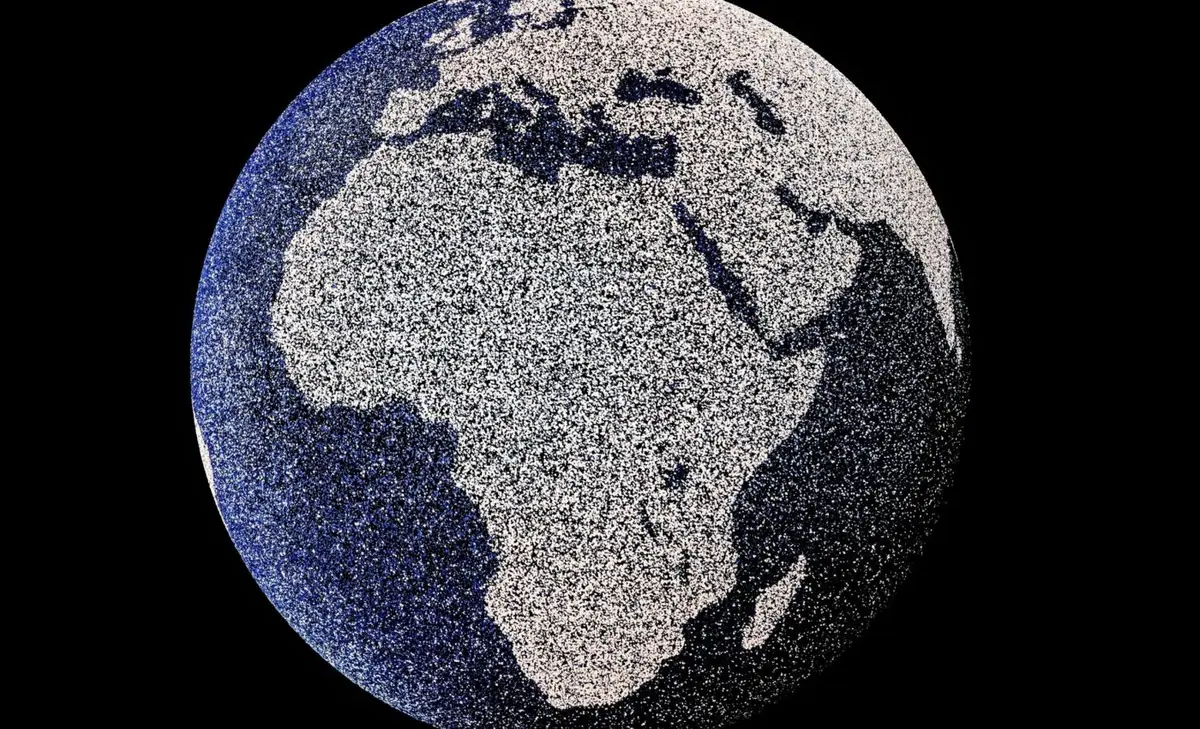
A groundbreaking research initiative led by climate and earth scientists is investigating an unconventional solution to combat global warming: the use of diamond dust to cool the planet. This innovative approach is part of a broader field known as solar geoengineering, which seeks to mitigate the effects of climate change by reflecting sunlight back into space. By exploring this novel method, scientists hope to address climate change more aggressively than traditional efforts, which primarily focus on reducing greenhouse gas emissions.

Historically, the material most commonly associated with solar geoengineering has been sulfur dioxide, a compound known for its ability to reflect sunlight. However, the use of sulfur dioxide comes with significant environmental risks, including the potential for acid rain and damage to the ozone layer. Recognizing these drawbacks, researchers are actively seeking safer alternatives that can achieve similar levels of reflectivity without incurring harmful side effects. The exploration of diamond dust as a potential solution marks an exciting shift in this ongoing research.

The diamond dust proposal emerged from studies conducted by researchers at ETH Zurich, particularly from the Institute for Atmospheric and Climate Science. In their investigations, scientists tested a range of particles for their cooling potential, including materials like calcite, aluminum, and, notably, diamond dust. Utilizing complex climate models, the team analyzed how these various substances would interact with sunlight and heat, as well as their longevity in the atmosphere. The findings from these studies are crucial in determining the feasibility of implementing diamond dust as a viable geoengineering solution.

The implications of successfully employing diamond dust for solar geoengineering could be profound. If proven effective, this method could significantly alter our approach to managing climate change, offering a supplementary tool alongside greenhouse gas reduction strategies. However, extensive research is still needed to assess the long-term impacts and potential risks of such interventions. Questions about the ethical and political ramifications of deploying geoengineering solutions also remain, emphasizing the importance of a thorough and cautious approach to any proposed climate interventions. As this research unfolds, the scientific community and policymakers must carefully consider both the potential benefits and challenges associated with using diamond dust to cool the planet.
Death Toll Reaches 155 in Spain’s Devastating Valencia Floods, Eight Bodies Found in Garage

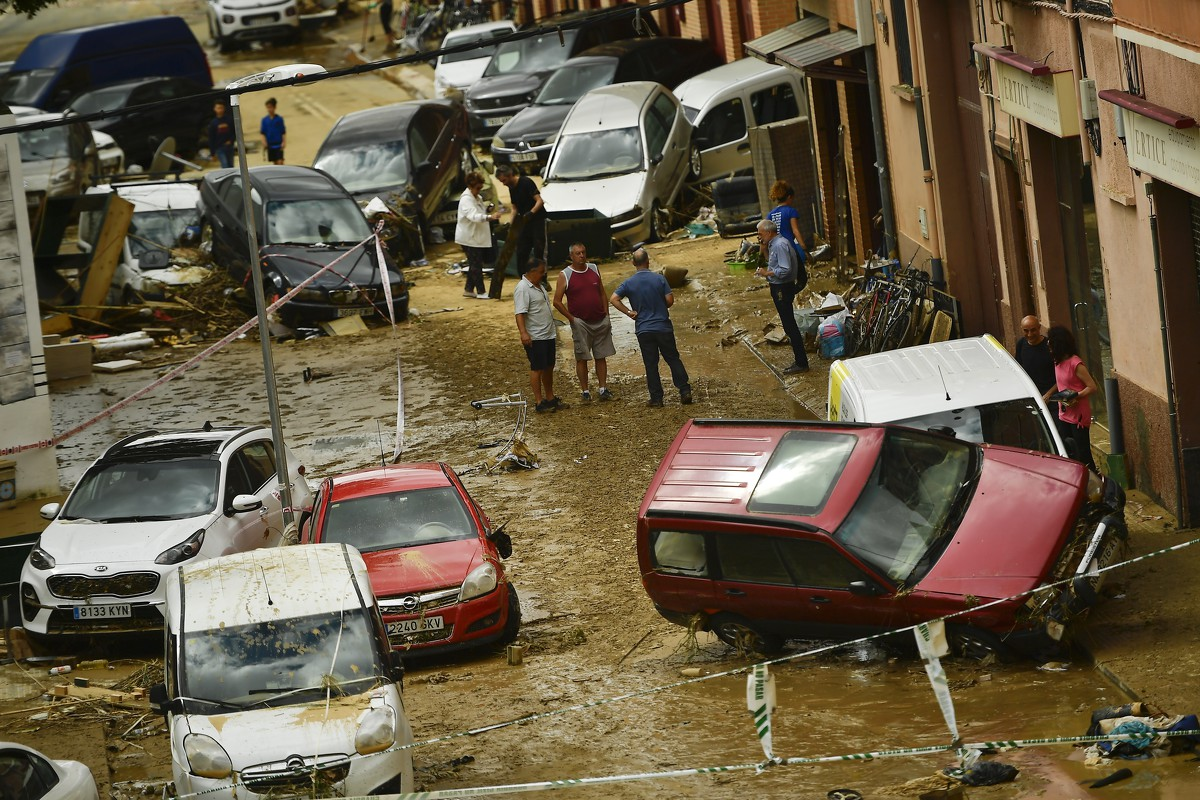
Rescue teams have recovered eight bodies from a flooded garage in Valencia, bringing the death toll from catastrophic floods in Spain’s eastern region to at least 155. Valencia’s Mayor Maria Jose Catala confirmed that one of the victims was a local police officer, and additional casualties include a 45-year-old woman who was found in her nearby home in La Torre. Defense Minister Margarita Robles warned that the national death toll could increase as the search for missing persons continues.

Meteorologists report that Valencia was inundated with a year’s worth of rain in just eight hours on Tuesday, triggering severe flash floods that damaged the region’s infrastructure and cut off roads. Bridges, railway tracks, and large sections of farmland were submerged. In La Torre, supermarket manager Laura Villaescusa expressed frustration, suggesting that timely warnings could have saved lives.

As thousands of residents attempt to secure essential supplies, Transport Minister Oscar Puente reported extensive road damage in the region, with about 50 miles of impassable roads and abandoned vehicles – some with deceased victims still inside. The high-speed rail link between Valencia and Madrid could take weeks to repair, he added. Prime Minister Pedro Sanchez urged residents to remain indoors, stressing the priority to save lives as further storm activity is expected.

In the nearby town of Godelleta, resident Antonio Molina recounted surviving the flood by clinging to a pillar with water reaching up to his neck, while his wife and son sought refuge on the upper floor. Molina’s home, which had been flooded twice in recent years, has made him wary, and he expressed frustration over continued residential construction in flood-prone areas.

Utiel, a rural town roughly 85 km inland, also experienced tragedy as the Magro river overflowed, sending floodwaters as high as three meters into homes. Utiel’s mayor, Ricardo Gabaldon, confirmed at least six fatalities among the elderly and disabled residents who were unable to escape.

Residents, assisted by tractors equipped with water pumps, began cleanup efforts on Thursday, with streets covered in mud and debris. Pope Francis shared his condolences, stating his solidarity with the affected families. Hydrologist Hannah Cloke emphasized the need for heightened awareness of extreme weather risks, linking the floods to climate change and noting the potential for increased occurrences of such events.


El Niño Contributes to Unprecedented Global Temperature Rise in 2023, Studies Show

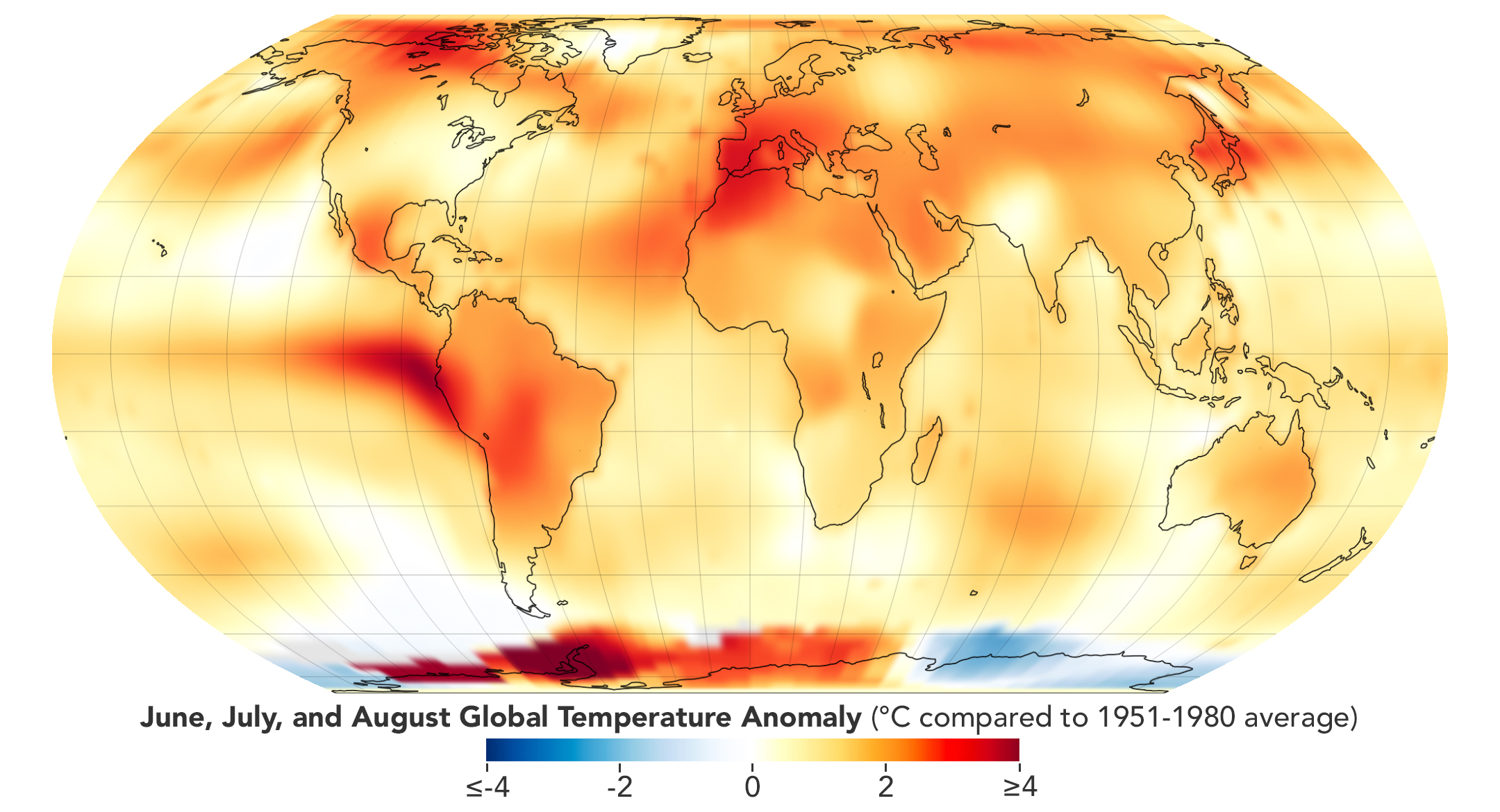
Global temperatures have reached unprecedented levels in 2023, raising alarm bells among climate scientists worldwide. With an average increase of nearly 0.3°C compared to the previous year, this dramatic rise has left many experts puzzled about the underlying causes. Notably, James Hansen, a prominent climate scientist, indicated that this could signify the onset of a new phase in global warming, further accelerated by a decrease in air pollution. Gavin Schmidt, director of NASA’s Goddard Institute for Space Studies, has also pointed out that this unusual temperature spike might expose gaps in our current understanding of climate feedback mechanisms.

Recent research highlights the critical role of El Niño in driving these temperature anomalies. The tropical Pacific Ocean’s shifting conditions, particularly the transition from a prolonged La Niña phase to a strong El Niño event, have significant implications for global climate patterns. Traditionally, La Niña conditions occur when trade winds push warm surface waters towards Indonesia, allowing cooler, deeper waters to rise in the eastern Pacific. This process typically leads to lower global temperatures, creating a stark contrast with El Niño’s effects.

During an El Niño event, warmer waters are pushed back eastward, disrupting the ocean’s natural cooling effect. This phenomenon effectively “turns off” the ocean’s role as an “air conditioner,” leading to an increase in global temperatures. Studies led by Shiv Priyam Raghuraman at the University of Illinois Urbana-Champaign have further reinforced the connection between the end of La Niña and the emergence of a robust El Niño, attributing the spike in temperatures in 2023 to this climatic shift.

The implications of this temperature rise are profound, raising concerns about the accelerating effects of climate change and the urgent need for a deeper understanding of climate dynamics. As scientists continue to investigate the intricacies of these phenomena, the findings underscore the importance of monitoring both air pollution levels and oceanic conditions. Moving forward, addressing the challenges posed by climate change will require a collaborative global effort to enhance our understanding of these complex systems and implement effective mitigation strategies.