Yazılar

The Sahara Desert Floods After Rare Torrential Rains

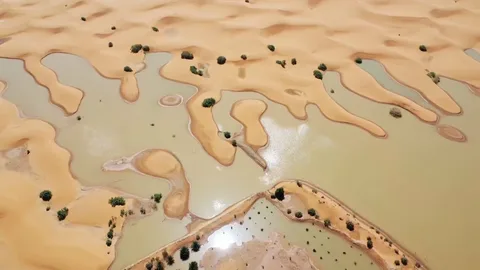
For the first time in decades, the Sahara Desert experienced intense rainfall, transforming its iconic sand dunes into a watery landscape. The deluge occurred in late September, particularly affecting southeast Morocco, where towns like Merzouga and Errachidia were hit by heavy rain that carved lakes into the usually arid terrain.

Typically, the Sahara receives only a few inches of rain annually, but satellite data from NASA indicated that nearly 8 inches of rain fell in some areas over two days. In Errachidia, almost 3 inches of rain were recorded, over four times the average rainfall for the entire month of September. This was the highest level of rain in the region in 30 to 50 years, according to Houssine Youabeb from Morocco’s meteorology agency.

Striking Visuals of a Transformed Landscape

Stunning images from Merzouga reveal new lakes forming between steep sand dunes. Reflections of palm trees shimmer in the newly formed lagoons, offering a surreal contrast to the typical barren desert landscape. Lakes in Iriqui National Park, Morocco’s largest national park, which are usually dry, also filled with water due to the rain.

Satellite images using false-color technology further highlight the extent of the flooding, revealing vast lakes and green patches where storms brought rain. These visuals offer a rare glimpse of how the Sahara’s dry, golden sands have temporarily transformed into lush and watery oases.

Climate Change and Future Rainfall in the Sahara

While the flooding primarily affected sparsely populated regions, towns and villages in Morocco also experienced deadly floods, which claimed more than a dozen lives. The Sahara’s size and arid conditions make such weather events rare, but they are becoming more frequent as climate change disrupts weather patterns.

Some research suggests that the unusual storms and increased rainfall could be linked to human-caused climate change. The warming planet is altering water cycles, making extreme rainfall events more common even in deserts like the Sahara. As fossil fuel emissions continue to heat up the Earth, the Sahara may see more dramatic changes in its weather, with the potential for more flooding events in the future.
Floridians Rush to Evacuate as Category 5 Hurricane Milton Approaches

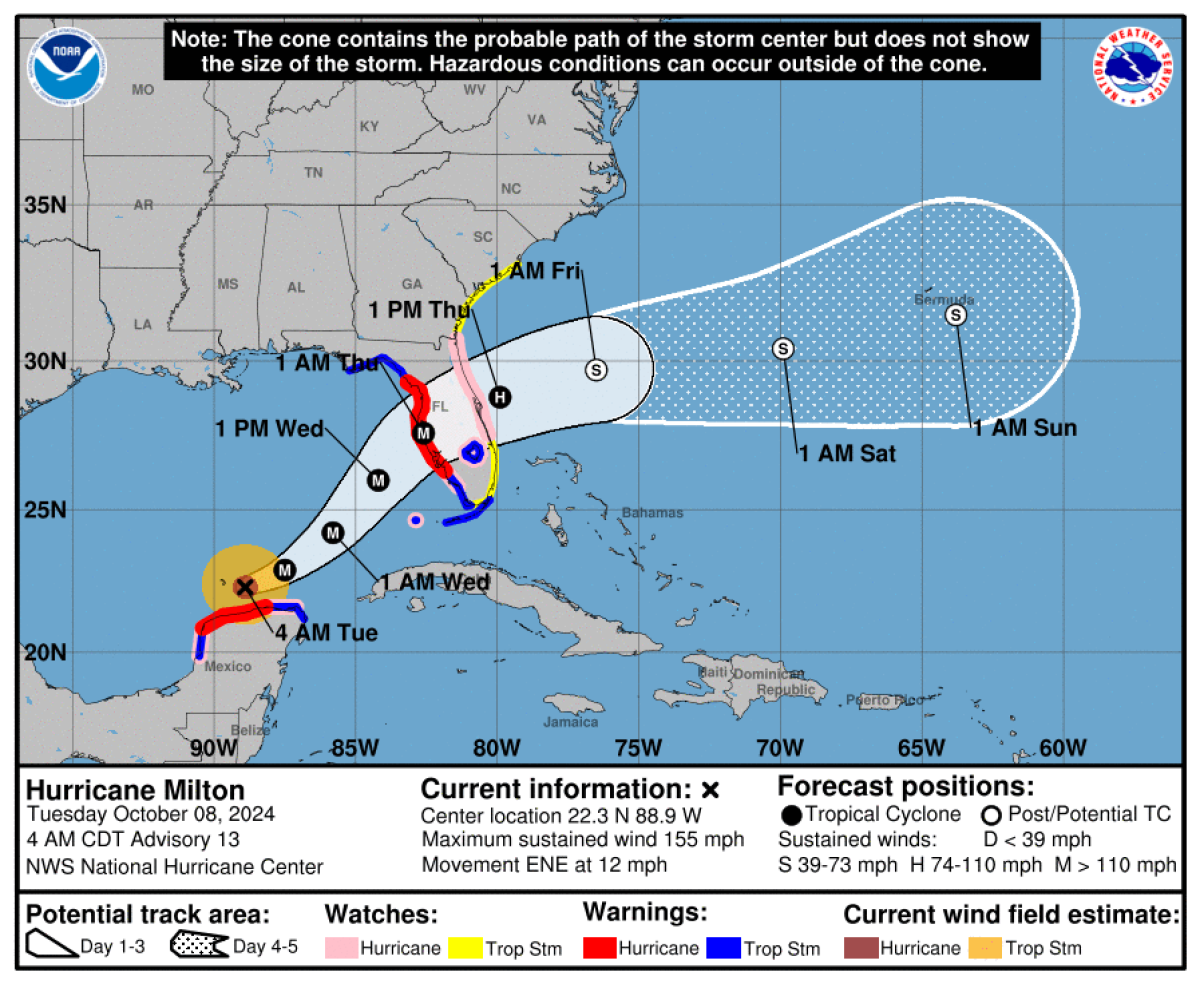
Floridians are scrambling to escape the Gulf Coast as Hurricane Milton, a Category 5 storm, barrels towards the state, threatening catastrophic damage. More than one million people in coastal areas have been ordered to evacuate, with residents clogging highways and gas stations running dry as the storm’s landfall approaches late Wednesday night or early Thursday morning. The storm is targeting the Tampa Bay region, home to over 3 million people, but forecasters caution that its path could shift slightly.

Hurricane Milton, with maximum sustained winds of 160 mph (260 kph), is one of the most powerful storms ever to threaten the Gulf Coast. The National Hurricane Center warned of a deadly storm surge of over 10 feet along much of the coast, posing grave risks to the region already battered by Hurricane Helene less than two weeks ago.

Officials, including President Joe Biden and Tampa Mayor Jane Castor, have urged residents in evacuation zones to flee immediately. Michael Tylenda, visiting his son in Tampa, echoed their concern. “When you don’t evacuate when you’re ordered to, you can pretty much die,” Tylenda said, recalling the deadly aftermath of past hurricanes. “The house can be replaced. The stuff can be replaced. So it’s just better to get out of town.”

Milton has intensified rapidly, becoming the third-fastest storm to grow from a Category 1 to a Category 5 in the Atlantic within 24 hours. Climate experts, like Daniel Gilford of Climate Central, attribute the rapid intensification to unusually warm sea temperatures fueled by climate change, warning that storms like Milton could become more frequent and destructive in the future.

At 10 p.m. CDT, the storm’s eye was located 405 miles southwest of Tampa, moving northeast at 12 mph. While Milton’s winds may weaken as it approaches land, its massive size poses a continued threat not only to Florida’s Gulf Coast but also to the state’s Atlantic side.

In response to the storm, Florida’s economy, which represents about 2.8% of the U.S. GDP, faces disruptions. Airlines, energy companies, and major attractions like Universal Studios have begun halting operations, bracing for the storm’s impact.

With mandatory evacuations issued for more than a dozen coastal counties, including Hillsborough and Pinellas, over 500,000 residents in St. Petersburg alone have been ordered to evacuate. Mobile homes, nursing facilities, and assisted living centers are also under mandatory evacuation.

Fort Myers resident Jamie Watts, who lost his mobile home during Hurricane Ian in 2022, has taken shelter in a hotel with his wife this time. “We stayed during Ian and literally watched my roof tear off my house,” Watts said. “This time I’m going to be a little safer.”

As of Tuesday, traffic snarls and fuel shortages worsened the evacuation efforts. Around 17% of Florida’s nearly 8,000 gas stations had run out of fuel, according to GasBuddy.

The nation watches nervously as Hurricane Milton approaches, with hopes that Floridians in its path will find safety before the storm strikes.


Antarctica Turns Green: Vegetation Expanding at an Alarming Rate Due to Climate Change

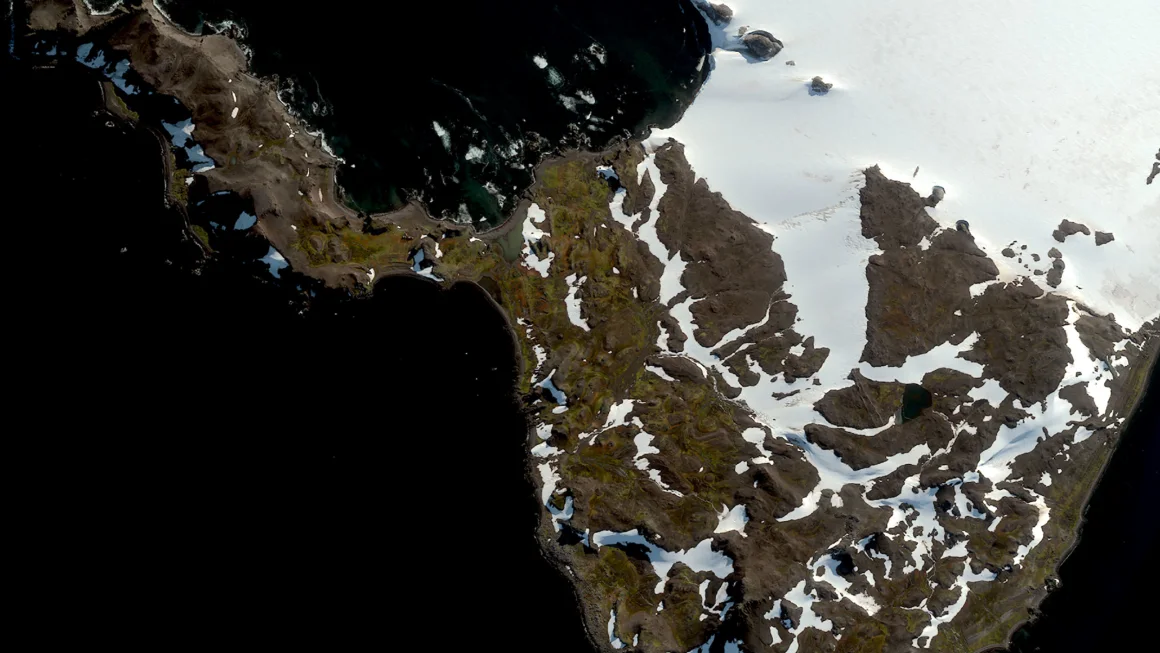
Recent research has revealed that parts of Antarctica are rapidly turning green as vegetation spreads across the Antarctic Peninsula, a region that has been warming much faster than the global average. Using satellite imagery, scientists from the Universities of Exeter and Hertfordshire and the British Antarctic Survey found that plant life, primarily mosses, has increased more than tenfold over the past four decades.

In 1986, vegetation covered less than 0.4 square miles, but by 2021, this area had expanded to almost 5 square miles. The greening rate has also accelerated by over 30% between 2016 and 2021. This phenomenon is being attributed to extreme heat events that have gripped Antarctica, with parts of the continent experiencing record-breaking temperature rises. In mid-July, temperatures soared 50 degrees Fahrenheit above normal, and in March 2022, some areas recorded an astounding 70-degree departure from average.

While the Antarctic Peninsula remains largely snow, ice, and rock, the growing green patches are a clear sign of anthropogenic climate change, according to Thomas Roland, a study co-author from the University of Exeter. The research highlights that even Antarctica, one of the most extreme and isolated environments on Earth, is not immune to the impacts of climate change, and these changes are visible from space.

The greening trend could have significant ecological consequences. Invasive species may find the new environment more hospitable, potentially disrupting the native wildlife. Plant life could also affect the region’s ability to reflect solar radiation, with darker surfaces absorbing more heat and possibly accelerating local warming. Scientists predict that as the fossil fuel-driven warming continues, the greening of Antarctica is likely to increase.

While the study focused primarily on larger moss fields, there are concerns that other types of vegetation, such as lichens, grasses, and algae, are also spreading. Matthew Davey, a polar plant expert, noted that the actual amount of vegetation may be even larger than detected. As glaciers continue to retreat, researchers plan to investigate how these plants colonize the newly exposed land.