
Insights from Jarred Sumner: The Vision Behind Bun.js and the Future of Tech Startups
Bun.js is transforming the server-side JavaScript landscape, emerging as a comprehensive and innovative runtime solution. Devamını Oku

Bun.js is transforming the server-side JavaScript landscape, emerging as a comprehensive and innovative runtime solution. Devamını Oku
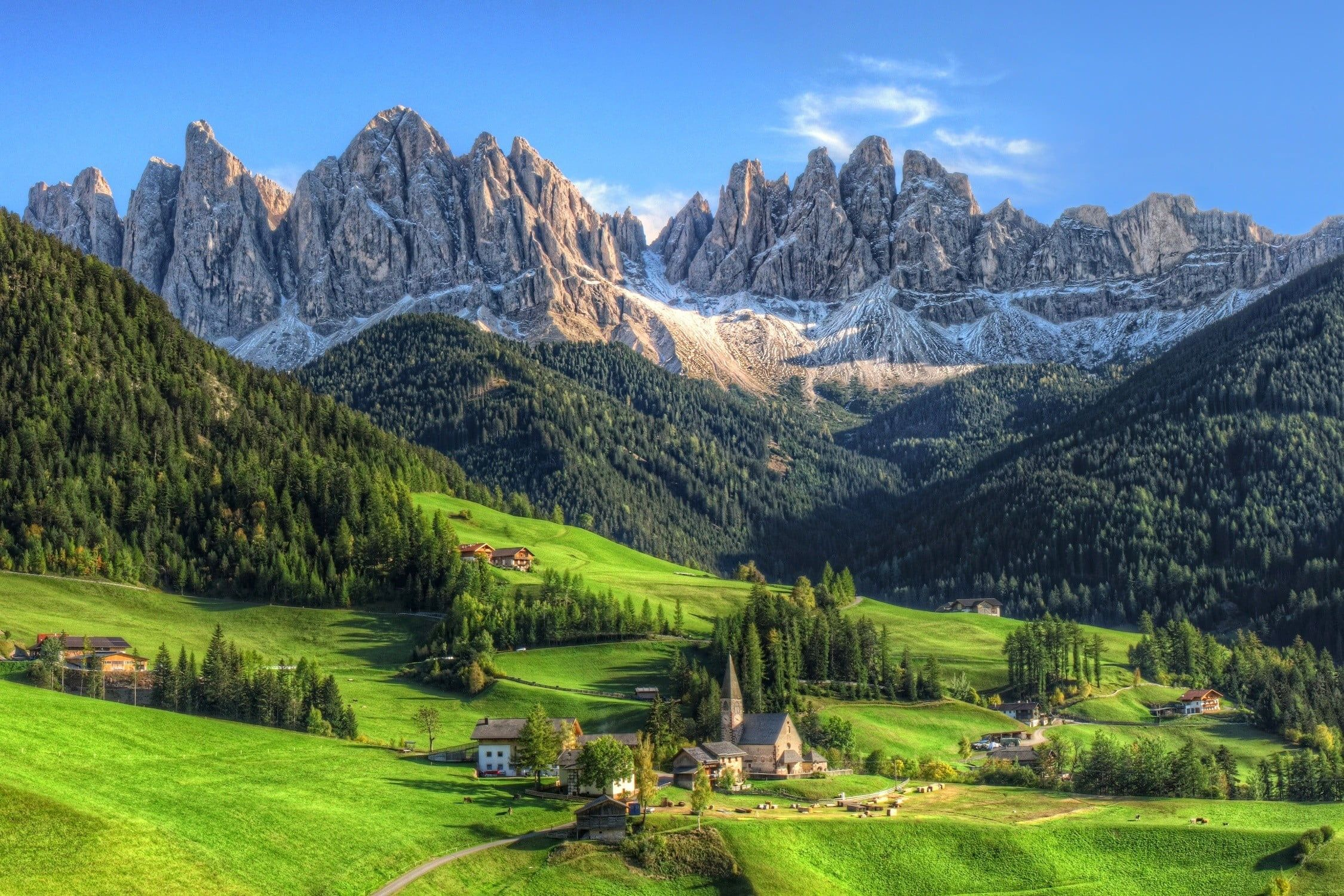
Italy and Switzerland have reached an agreement to adjust their shared border under the iconic Matterhorn Peak, a prominent feature in the Alps overlooking the popular ski resort of Zermatt. This decision, finalized by the Swiss government and pending approval from Italy, highlights the significant impact of climate change on national boundaries traditionally defined by natural features.
The border changes were first agreed upon in 2023 and were officially approved by the Swiss government recently. As glaciers and snowfields, which often define such borders, continue to melt due to rising temperatures, national boundaries have become increasingly fluid. The Swiss government explained, “With the melting of the glaciers, these natural elements evolve and redefine the national border.”
Europe is experiencing the fastest rate of warming globally, and its glaciers are particularly affected. In Switzerland, glaciers lost 4% of their volume last year, following a record 6% loss in 2022. Matthias Huss, a glaciologist at ETH Zürich and director of the Swiss glacier monitoring network GLAMOS, reported that glaciers are continuing to diminish rapidly. “In 2024, glaciers continued to lose ice at a high speed despite much snow in winter that was expected to bring some relief,” he noted, emphasizing that some smaller glaciers are disappearing entirely.
The melting glaciers not only threaten the geographical landscape but also increase the risk of landslides and collapses. This issue was tragically underscored in 2022, when 11 individuals lost their lives due to a glacier collapse in the Italian Alps. Furthermore, the retreat of these glaciers has led to unsettling discoveries, including the recovery of a mountain climber’s remains who had been missing for 37 years near the Matterhorn.
As glaciers recede, their ability to supply vital freshwater diminishes, which could exacerbate water shortages during extreme heat waves. Huss pointed out that the shifting of national borders is merely a “small side-effect” of the larger consequences of glacier melting. However, the visibility of such changes in the world map serves as a stark reminder of the profound transformations brought about by climate change.
The agreement to shift the border marks an important acknowledgment of the realities of climate impact on geographic and political landscapes, as nations grapple with the evolving effects of a warming world.
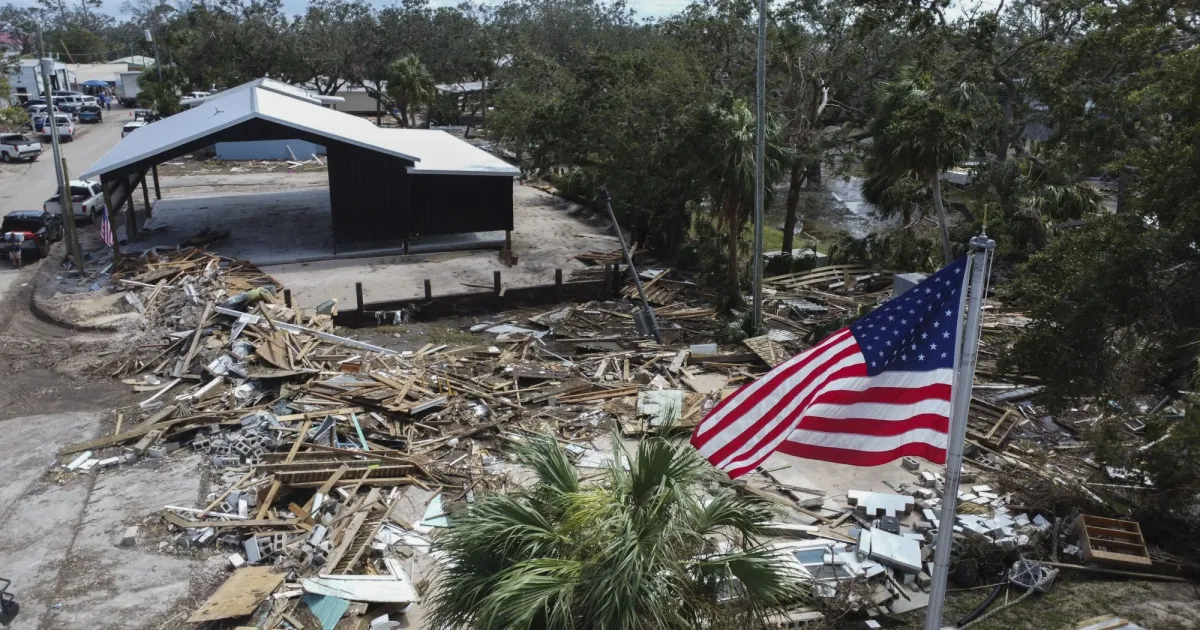
In the aftermath of tropical storm Helene, North Carolina has initiated a large-scale search and rescue effort, delivering emergency supplies to isolated communities left devastated by the storm. What began as a hurricane battering Florida’s Gulf coast evolved into a destructive force across the southeastern U.S., cutting off remote areas and leaving hundreds of people unaccounted for, with many feared dead.
The storm has claimed more than 100 lives across six states—North Carolina, South Carolina, Georgia, Florida, Tennessee, and Virginia. Rescue teams are working to access cut-off towns, with the death toll expected to rise once isolated areas are reached. Roads remain blocked, and nearly 7,000 people have registered for federal aid. The U.S. National Guard is airlifting 1,000 tons of food and water to affected areas.
One of the worst-hit regions is the small town of Bat Cave in western North Carolina, where the Broad River overflowed, destroying homes and severing infrastructure. Residents described the area as “post-apocalyptic,” with one local, Aaron Smith, recounting how his home was reduced to rubble. Private helicopters were initially waved off from landing due to the unstable condition of the town’s bridge.
Nearby, the village of Chimney Rock was also destroyed by the storm, with debris and wreckage filling Lake Lure downstream. In Charlotte, City Councilman Tariq Bokhari shared footage of the devastation at Lake Lure, describing the scene as overwhelming and “beyond belief.”
State and federal recovery efforts are in full swing, with 1.8 million homes still without power. Georgia Governor Brian Kemp confirmed the loss of 25 lives in his state, while South Carolina reported at least 29 fatalities. North Carolina Governor Roy Cooper, after an aerial tour of the damage, said that significant resources would be needed for recovery and praised the ongoing work of search and rescue teams.
FEMA Administrator Deanne Criswell noted that 3,000 federal personnel are deployed across the region to assist in relief efforts. President Joe Biden, attributing the scale of destruction to climate change, vowed that the federal government would not leave until recovery is complete and may call a special session of Congress to pass additional aid funding.