Yazılar

The Caspian Sea Faces an Uncertain Future Amid Rapid Decline

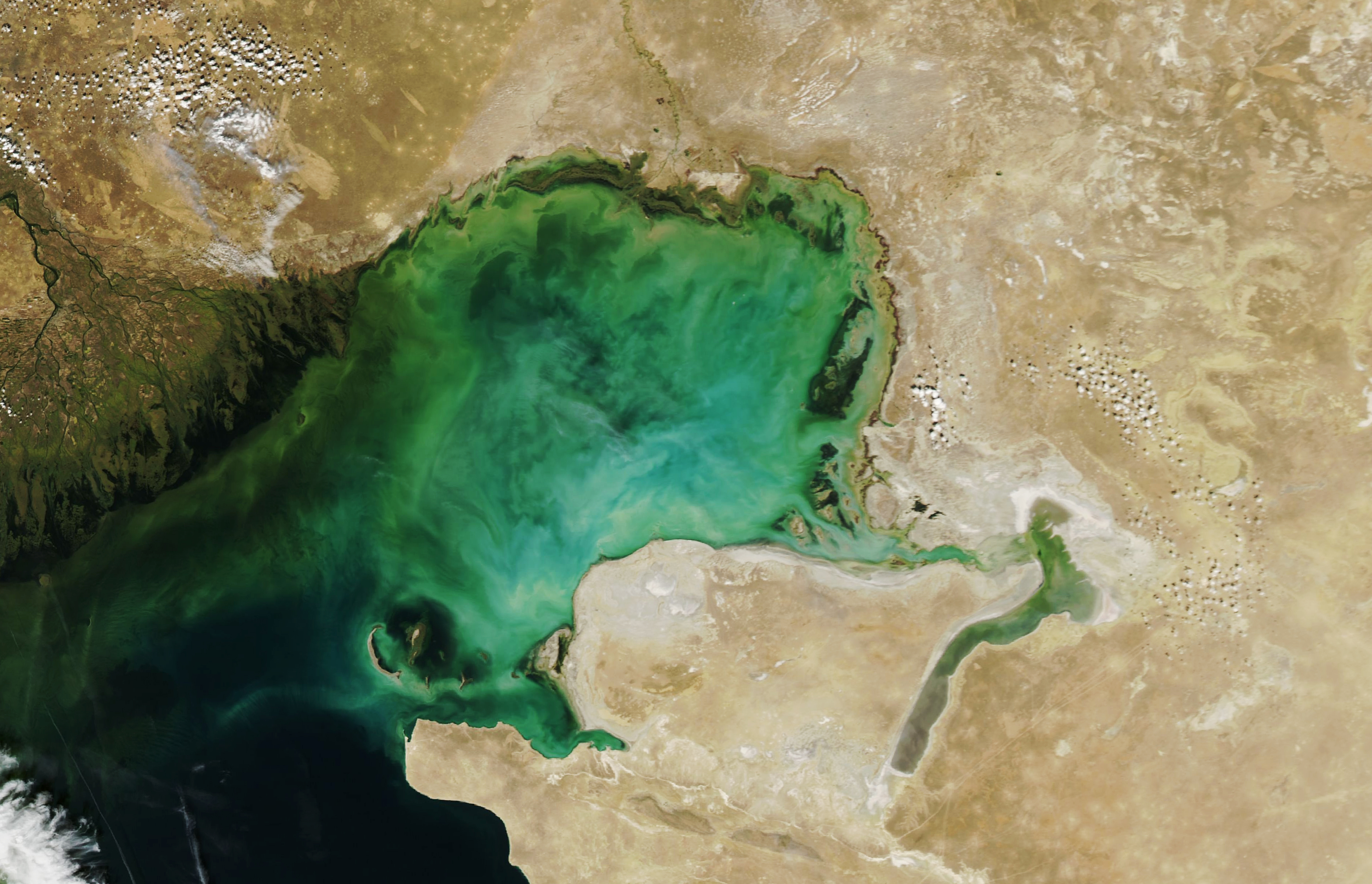
The Caspian Sea, the world’s largest inland body of water, is rapidly shrinking, causing alarm among environmentalists and local communities who depend on it. Eco-activists like Azamat Sarsenbayev from Kazakhstan and photographer Khashayar Javanmardi from Iran share their deep concerns as they witness the dramatic changes affecting their lifeblood.

A Troubling Decline

Once brimming with life and beauty, the Caspian Sea is now marred by stark declines in water levels. Sarsenbayev recalls a time when he could leap into its waters near Aktau, but now he faces a barren landscape. Meanwhile, Javanmardi laments the pollution that has rendered the water unfit for swimming along the southern shores. Both men, who have grown up beside the sea, fear for its future.

The Sea’s Importance

Covering an area roughly the size of Montana, the Caspian Sea is bordered by Kazakhstan, Iran, Azerbaijan, Russia, and Turkmenistan. These nations rely on the sea for fishing, farming, tourism, and drinking water, while it also plays a crucial role in regulating the climate of Central Asia. Unfortunately, a combination of human activity, pollution, and climate change is pushing this vital ecosystem toward an irreversible decline.

Human Impact and Climate Change

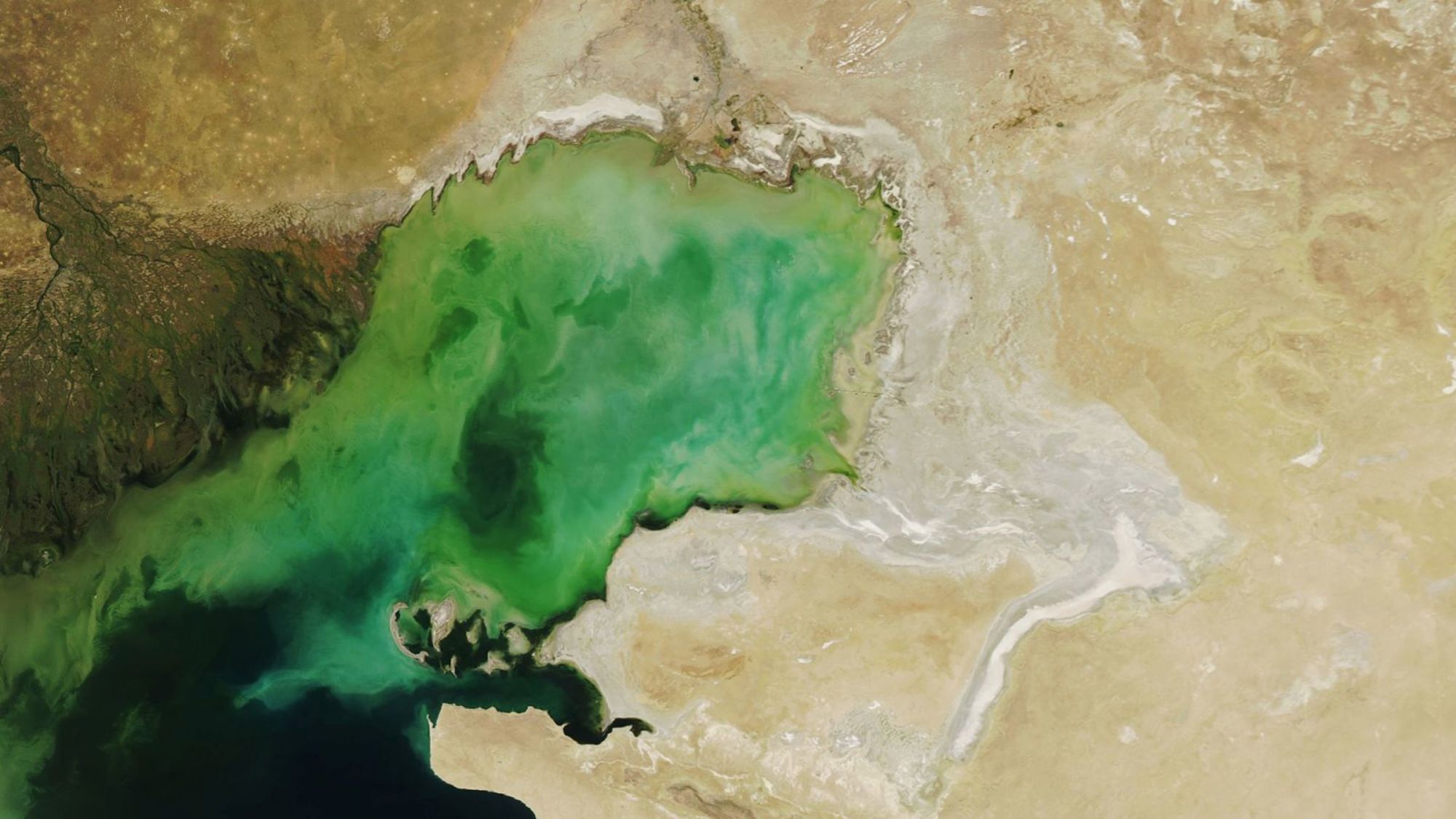
The Caspian Sea’s precarious balance is affected by multiple factors, including damming and over-extraction of water from the rivers that feed it—predominantly the Volga River. With approximately 80% of its inflow coming from this single river, Russia’s extensive dam construction has dramatically reduced water levels. Additionally, climate change exacerbates the situation by increasing evaporation and causing erratic rainfall patterns.

According to Earth systems modeler Matthias Prange, the sea has lost about 5 feet in water levels since the mid-1990s, with projections indicating a further decline of 8 to 18 meters (26 to 59 feet) by century’s end, depending on global fossil fuel emissions.
Picture background

Ecological Crisis

The implications of this decline are dire for the Caspian’s unique wildlife, including the endangered wild sturgeon and Caspian seals. With diminishing water levels, oxygen depletion threatens aquatic life that has existed for millions of years. Notably, the seal population has plummeted, with aerial surveys showing alarming reductions in numbers, leaving researchers like Assel Baimukanova deeply concerned.

Potential Geopolitical Tensions

The dwindling resources may also spark geopolitical tensions among the five bordering countries. As each nation seeks to capitalize on the remaining resources, conflicts over oil, gas, and water rights could arise. This situation mirrors the catastrophic decline of the Aral Sea, which serves as a cautionary tale of environmental mismanagement.

Calls for Collective Action

Experts emphasize that addressing the Caspian Sea’s crisis requires collective action among the bordering nations. With significant political instability in the region, finding common ground may be challenging. If countries fail to cooperate, the Caspian Sea might face irreversible damage, similar to what befell the Aral Sea.

A Call to Awareness

As global leaders prepare for COP29 in Baku, Azerbaijan, where they will discuss climate actions, the plight of the Caspian Sea is becoming increasingly urgent. Despite acknowledging the crisis, Azerbaijan continues to expand fossil fuel production, raising concerns about balancing economic interests with ecological preservation.

Activists like Sarsenbayev and Javanmardi are striving to raise awareness through social media and photography, urging the public to recognize the significance of the Caspian Sea. Javanmardi poignantly states, “This is the biggest lake in the world; all people should consider it as something important.”

Conclusion: An Urgent Need for Change

The Caspian Sea’s future hangs in the balance as climate change and human activities threaten its existence. Without immediate and cooperative efforts from the bordering nations, the world may witness yet another environmental tragedy, leaving communities like those of Sarsenbayev and Javanmardi with nothing but memories of the vibrant sea they once cherished.
King Charles and Queen Camilla Arrive in Samoa for Commonwealth Summit

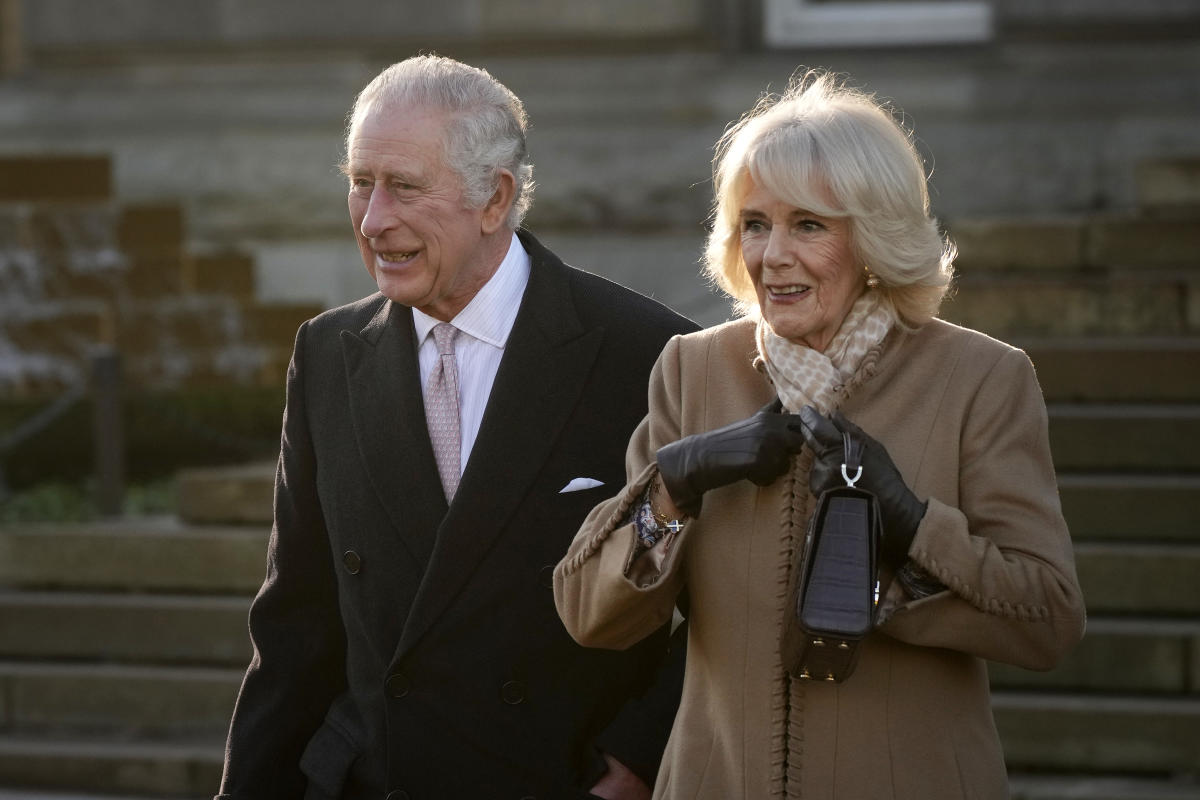
Britain’s King Charles and Queen Camilla arrived in Samoa on Wednesday, marking the start of their visit to the Pacific island nation, where Charles will be honored with the title of high chief. Their arrival comes after a six-day tour of Australia, and they are set to attend the Commonwealth Heads of Government Meeting (CHOGM).

The royal couple was greeted on the runway by Samoan Prime Minister Fiame Naomi Mata’afa and other dignitaries. A band played “God Save the King,” after which King Charles inspected a guard of honor provided by Samoan police, as the country does not maintain an armed force. The couple’s visit to Samoa highlights King Charles’ role as the symbolic head of the Commonwealth, a group of 56 nations with deep historical ties to the British Empire.

Focus on Climate Change and Ocean Protection

This visit aligns with the annual Commonwealth summit, where small states, including many Pacific island nations, make up more than half of the membership. A key focus of the summit will be climate change, a critical issue for island nations like Samoa that are already experiencing the effects of rising sea levels. The leaders are expected to issue a declaration on protecting the oceans, underscoring the Commonwealth’s commitment to environmental preservation.

King Charles, who has spent much of his life advocating for environmental causes, will personally witness the impact of climate change during his visit. He will be led on a tour of a mangrove reserve to see firsthand how rising sea levels are threatening local communities. According to Lenatai Victor Tamapua, a Samoan chief and member of parliament, “The king tide today is about twice what it was 20, 30 years ago. And that is affecting our land… and people (have to) move inwards, inland now.”

High Chief Title for King Charles

As part of the visit, Charles will be offered the title of high chief, a significant honor in Samoan culture. Tamapua, who plans to bestow the title of “Tui Taumeasina” during a traditional ceremonial welcome on Thursday, spoke of the king’s long-standing commitment to environmental issues, which resonate strongly in Pacific island nations dealing with the dire consequences of climate change.

This honor follows a recent controversy in Australia, where an Indigenous senator accused Charles of “genocide” during his visit to Canberra. Despite this, his tour of Australia marked an important moment for the British monarchy, as it was King Charles’ first foreign tour as sovereign and the first visit by a British monarch to Australia in 13 years.

Commonwealth Discussions and Reparations

Although climate change will dominate the discussions, another key issue is reparations for historical transatlantic slavery, a subject raised by Caribbean nations. While Britain has stated that it will not bring this issue to the CHOGM table, it remains open to discussions with leaders interested in addressing it.

As the symbolic leader of the Commonwealth, King Charles’ engagement with these diverse issues highlights the evolving nature of the Commonwealth and its continued relevance in addressing modern challenges like climate change and historical injustices.

Global Water Cycle Disrupted for First Time in Human History, Report Warns of Impending Crisis

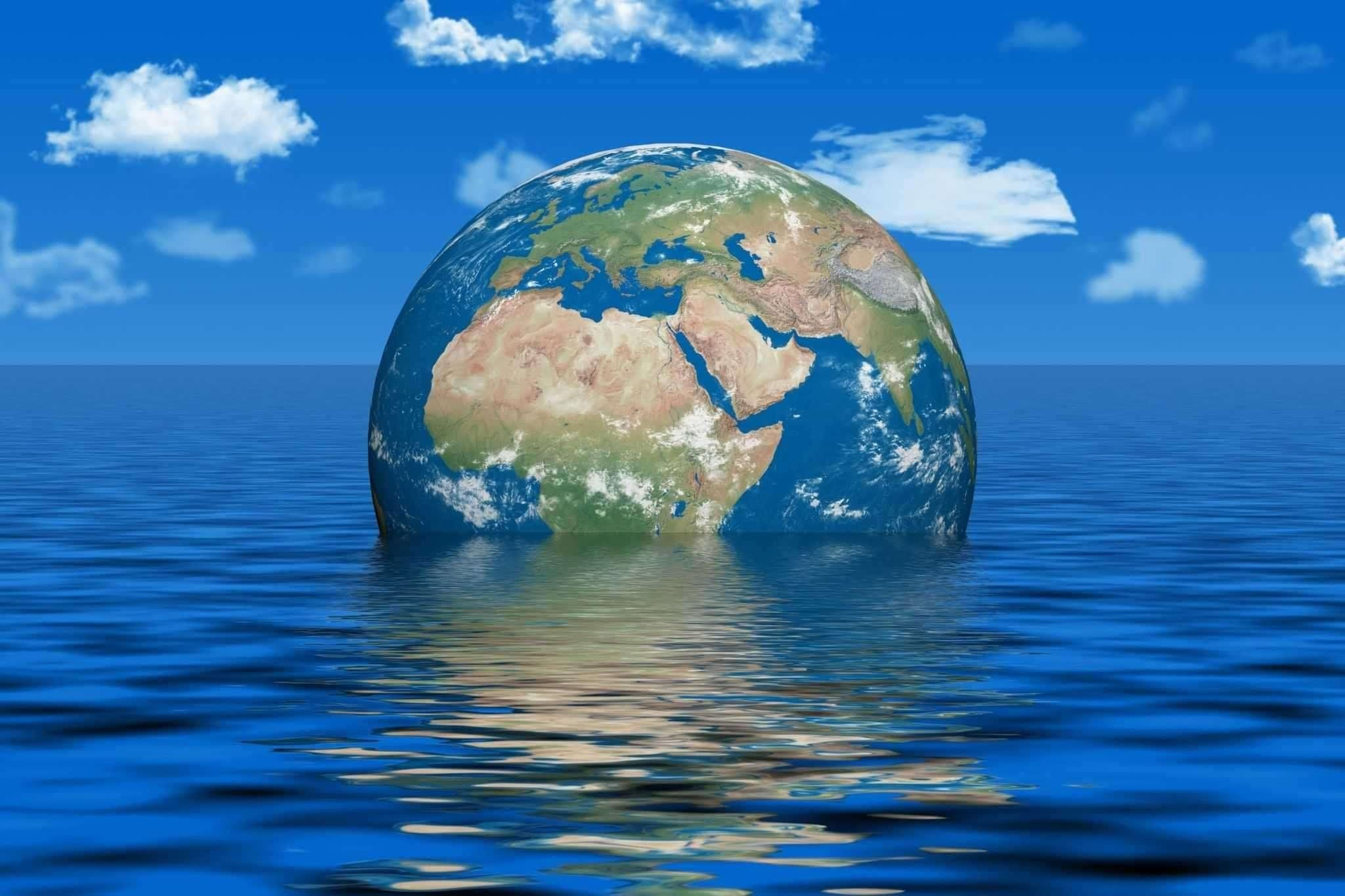
A landmark report from the Global Commission on the Economics of Water has revealed that humanity has destabilized the global water cycle for the first time in human history. This disruption, fueled by unsustainable land use, water mismanagement, and climate change, is pushing the world into a growing water crisis that threatens economies, food production, and human lives.

The global water cycle, a natural system where water evaporates from the Earth’s surface, forms atmospheric rivers, and returns as rain or snow, is being severely affected. Nearly 3 billion people already face water scarcity, and worsening conditions are set to cause further suffering as crops fail, groundwater dries up, and cities sink. The report warns that without urgent action, more than 50% of global food production could be threatened, with global economies facing GDP losses of up to 8% by 2050. Low-income countries could experience losses as high as 15%.

“For the first time in human history, we are pushing the global water cycle out of balance,” said Johan Rockström, co-chair of the Global Commission and one of the report’s authors. This imbalance means that rainfall — the primary source of freshwater — can no longer be relied upon as it once was.

The report distinguishes between two types of water: “blue water,” the liquid water found in lakes, rivers, and aquifers, and “green water,” the moisture stored in soils and plants. While green water has often been overlooked, it plays an essential role in generating about half of all land-based rainfall. Disruptions to this cycle are closely connected to climate change, which exacerbates the problem by accelerating global warming, drying out landscapes, and increasing fire risks.

Human activities such as deforestation and the destruction of wetlands are further depleting these natural water systems, reducing their ability to store carbon and combat climate change. This, in turn, dries out the environment, causing more severe droughts and unpredictable weather patterns.

The crisis is intensified by humanity’s growing demand for water. The report estimates that people need around 4,000 liters (just over 1,000 gallons) per day for a “dignified life”—far above the United Nations’ basic needs estimate of 50 to 100 liters. Many regions, however, are already struggling to meet these demands from local sources.

Richard Allan, a climate science professor at Reading University, England, echoed the report’s urgency. He described the human-caused disruption to the global water cycle as a “grim picture” and highlighted how land and atmospheric changes are intensifying extreme weather patterns. Allan, who was not involved in the report, stressed that addressing the crisis requires better management of natural resources and cutting greenhouse gas emissions to slow the rate of global warming.

The report also calls for governments to treat the water cycle as a “common good” that must be managed collectively. Since water vapor can travel across borders, decisions made in one country can impact rainfall in another. This interconnectedness makes global cooperation crucial in addressing the crisis.

To mitigate the damage, the report recommends a fundamental shift in how water is integrated into economies. It advocates for better water pricing to reduce waste and disincentivize planting water-intensive crops or building large facilities like data centers in water-stressed regions. Ngozi Okonjo-Iweala, director general of the World Trade Organization and co-chair of the commission, emphasized the importance of recognizing the value of water, not only as a scarce resource but also for the wide range of benefits it provides. “The global water crisis is a tragedy but also an opportunity to transform the economics of water,” she stated.