
Ancient Viral Genomes Discovered in Glaciers Show Pathogens’ Climate Adaptation Over 41,000 Years
Ancient Viral Genomes in Glaciers Uncover Viruses’ Adaptation to Climate Changes Over 41,000 Years Devamını Oku

Ancient Viral Genomes in Glaciers Uncover Viruses’ Adaptation to Climate Changes Over 41,000 Years Devamını Oku

Billionaire investor and founder of Bridgewater Associates, Ray Dalio, highlighted the five key forces driving the global economy at the Milken Institute’s Asia Summit in Singapore. Dalio explained that these factors are interconnected and often follow cyclical patterns. His remarks came ahead of the U.S. Federal Reserve’s interest rate decision.
Dalio concluded that the global economy faces more downside risks than upside potential due to these factors.
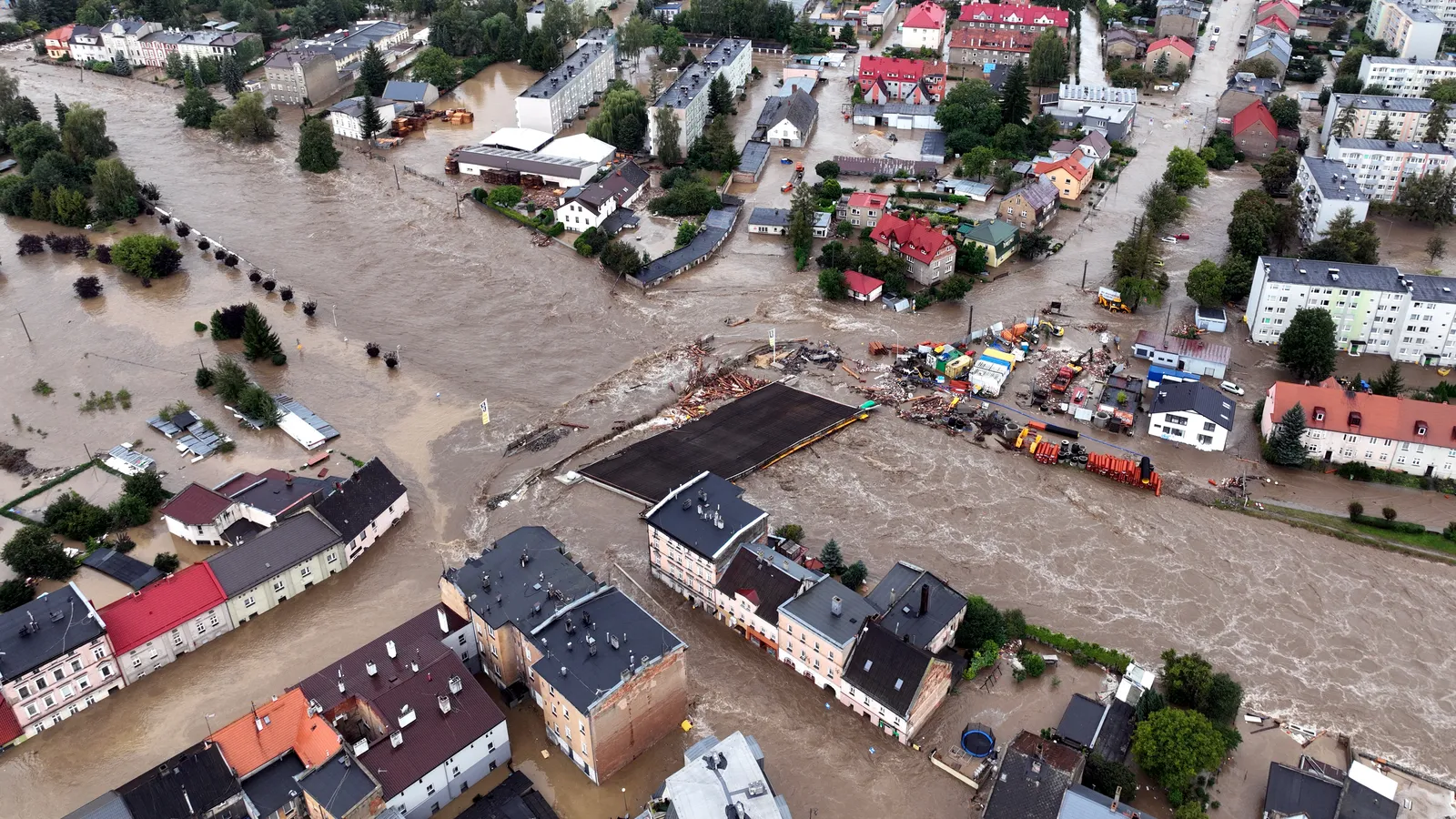
Emergency crews and volunteers worked tirelessly through the night in the Polish city of Wroclaw, preparing defenses against looming floodwaters. As the region braces for the worst flooding in two decades, Hungary has also taken drastic measures, opening a dam to relieve pressure as Prime Minister Viktor Orban warned of a “crucial period” ahead.
The floods, which have wreaked havoc from Romania to Poland, have caused widespread destruction, inundating towns, destroying infrastructure, and submerging vehicles. The financial toll from the damage is expected to run into billions of dollars.
Polish Prime Minister Donald Tusk addressed the crisis in Wroclaw, noting the urgent need for updates from the hardest-hit areas, such as Lewin Brzeski, where residents waded through waist-high water or sought refuge on rooftops. Meanwhile, in Hungary, authorities opened a dam in the northwest to divert the Lajta river’s waters into emergency reservoirs, sacrificing agricultural land to protect urban centers like Mosonmagyarovar. The Danube River, swollen from heavy rains, is expected to crest in Budapest later this week, potentially reaching over 8.5 meters.
Prime Minister Orban emphasized the gravity of the situation across Central Europe, with many areas experiencing the severe effects of torrential rainfall. Drone footage from northern Hungary captured the village of Venek submerged under floodwaters, a stark reminder of the increasing threats posed by climate change.
In the Czech Republic, water levels have started to recede, though several rivers in southern Bohemia are still peaking. Cleanup efforts are underway in the worst-hit areas, including sections of the critical railway line between Prague and Ostrava, part of the Vienna-Warsaw route, which remains out of service.
Czech Finance Minister Zbynek Stanjura announced plans to amend the national budget to provide flood relief, estimating potential costs to be as high as $4 billion, although the full scope of the damage is still unclear.