Yazılar

Myanmar Hit by Deadly Floods After Typhoon Yagi

Severe flooding has devastated Myanmar following Typhoon Yagi, displacing over 230,000 people and leaving at least 33 dead, according to the country’s military. The capital, Naypyidaw, is one of the hardest-hit areas, with authorities scrambling to set up temporary relief camps for those who have been made homeless. While the military reports 33 fatalities, Radio Free Asia claims the actual death toll may be much higher, estimating at least 160 lives lost due to floods and landslides.

The situation remains dire in areas like Taungoo, where rescue efforts are stretched thin. A local rescue worker described more than 300 people trapped by floodwaters along the Sittaung River, with a shortage of boats impeding rescue operations.

Typhoon Yagi, which has already impacted Vietnam, the Philippines, and China’s Hainan Island, is Asia’s most powerful storm this year. Scientists attribute the increasing intensity of such storms to climate change, noting that warmer ocean temperatures fuel stronger winds and heavier rainfall, resulting in more destructive storms.

Myanmar’s population is already grappling with the effects of a three-year civil war that has displaced more than 2.6 million people and left 18.6 million in need of humanitarian aid, according to the UN. Access to clean water, sanitation, and healthcare is severely limited, further compounding the suffering caused by the floods.


Climate Protesters Face Harsh Prison Sentences as UK Courts Equate Activism with Violent Crime

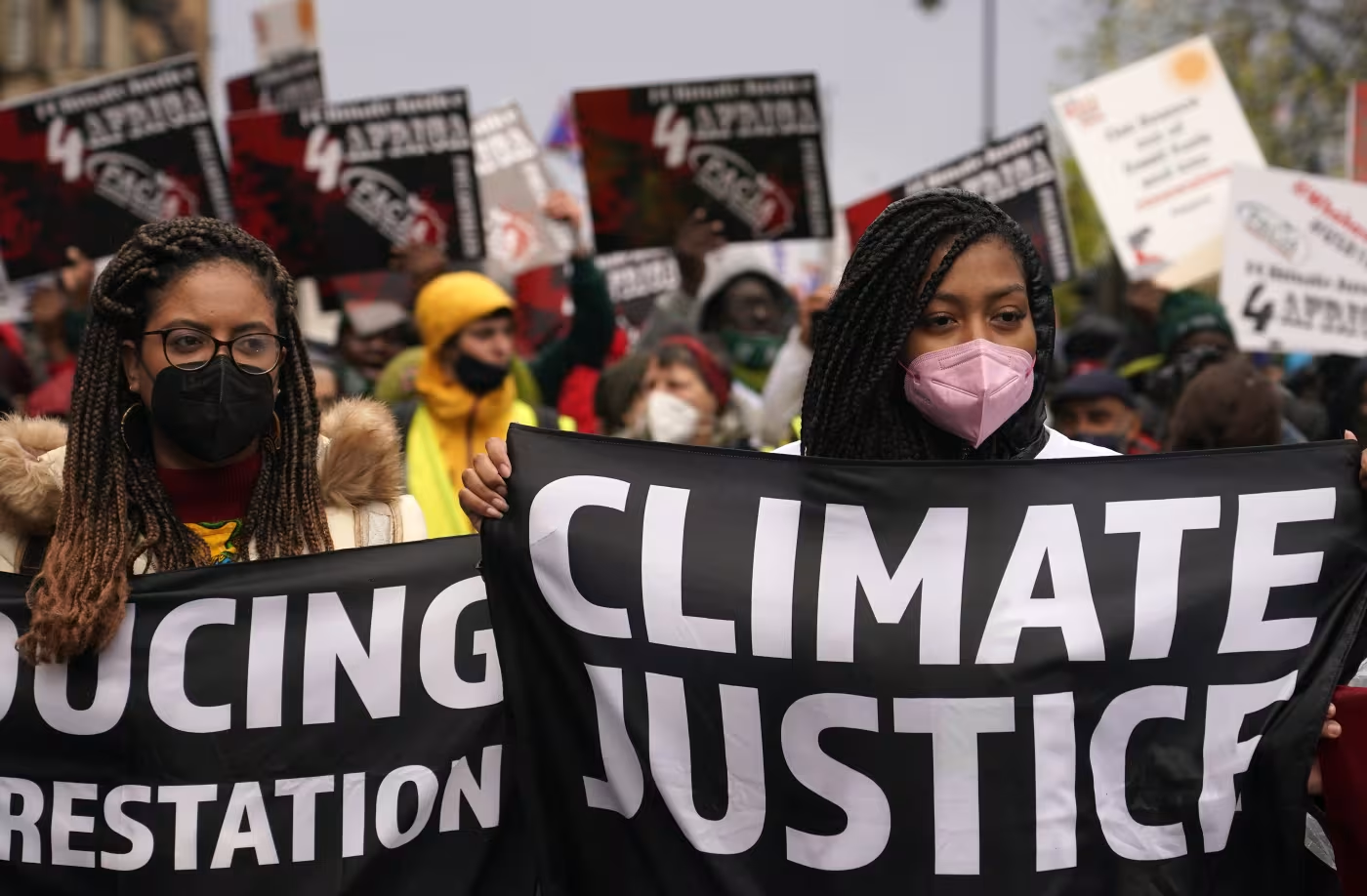
While right-wing rioters recently caused chaos in UK communities, 22-year-old climate activist Cressie Gethin spent time in a prison cell. Her crime? Organizing protests against new oil-drilling licenses in the North Sea, where she and fellow activists disrupted traffic on the M25. Convicted of “conspiring to cause a public nuisance,” Gethin and three other Just Stop Oil members now face four-year prison terms, with co-founder Roger Hallam sentenced to five years.

These sentences, the longest ever for non-violent protests in the UK, were handed down under newly implemented laws aimed at curbing disruptive protests. The laws place organizing such demonstrations on par with violent crimes like robbery, a shift that alarms human rights groups.

The activists argue their actions were necessary to highlight the climate emergency, but the court and government have taken a hard line. Gethin, writing from prison, said, “A harsh sentence like this doesn’t make sense morally or legally, but it does politically.”

Controversial New Laws

The Public Order Act 2023 and the Police, Crime, Sentencing and Courts Act 2022 have expanded police powers, giving authorities more tools to arrest and sentence protesters. These laws were directly influenced by reports from right-wing think tanks like Policy Exchange, which has ties to fossil fuel companies, including ExxonMobil.

Despite pledges to transition to a net-zero economy by 2050, the UK government has continued issuing oil-drilling licenses, contrary to recommendations by climate scientists. This policy has sparked protests like those organized by Just Stop Oil, and now, activists face criminalization on a large scale, with over 3,000 arrested since 2022.

Picture background

Public Reaction and Global Concerns

Amnesty International and other civil rights groups have condemned the new laws, calling them a sign of creeping authoritarianism. Critics argue that peaceful protest is being penalized on par with violent acts, with climate protesters facing sentences similar to those for robbery or rape. The UN’s Michael Forst, special rapporteur on environmental defenders, criticized the sentences, calling them “punitive and repressive.”

Despite the public outcry, the Labour government has yet to review the laws, which were introduced under the Conservative government of Rishi Sunak. Sunak’s ties to Policy Exchange and the fossil fuel industry have raised questions about political influence on climate legislation.

A Global Pattern

The UK is not alone in its crackdown on climate protests. Other wealthy nations, including the US and Australia, have implemented similar policing laws, often with backing from fossil fuel industries. In the US, at least 21 states have criminalized protests near critical infrastructure like oil pipelines, following the Standing Rock protests. These laws often share language drafted by right-wing lobbying groups like ALEC, which has long been funded by oil giants like Chevron.

Climate Protesters: Villains or Heroes?

The judge in Gethin’s trial barred any defense based on the climate crisis, a decision seen as undermining the activists’ motivations. Just Stop Oil’s actions, although disruptive, are aimed at preventing the catastrophic consequences of continued fossil fuel extraction. Despite the harsh sentences, activists like Gethin remain resolute, seeing their actions as part of a larger moral obligation to stop climate disaster.

Gethin’s imprisonment, she says, is just one chapter in the ongoing fight against the ecological and social upheaval caused by climate change. “Standing up for what is right,” she writes from her cell, “is something I can work for, whatever the future brings.”


 

Massive Greenland Landslide Triggered Nine-Day Tsunami, Shaking the Earth

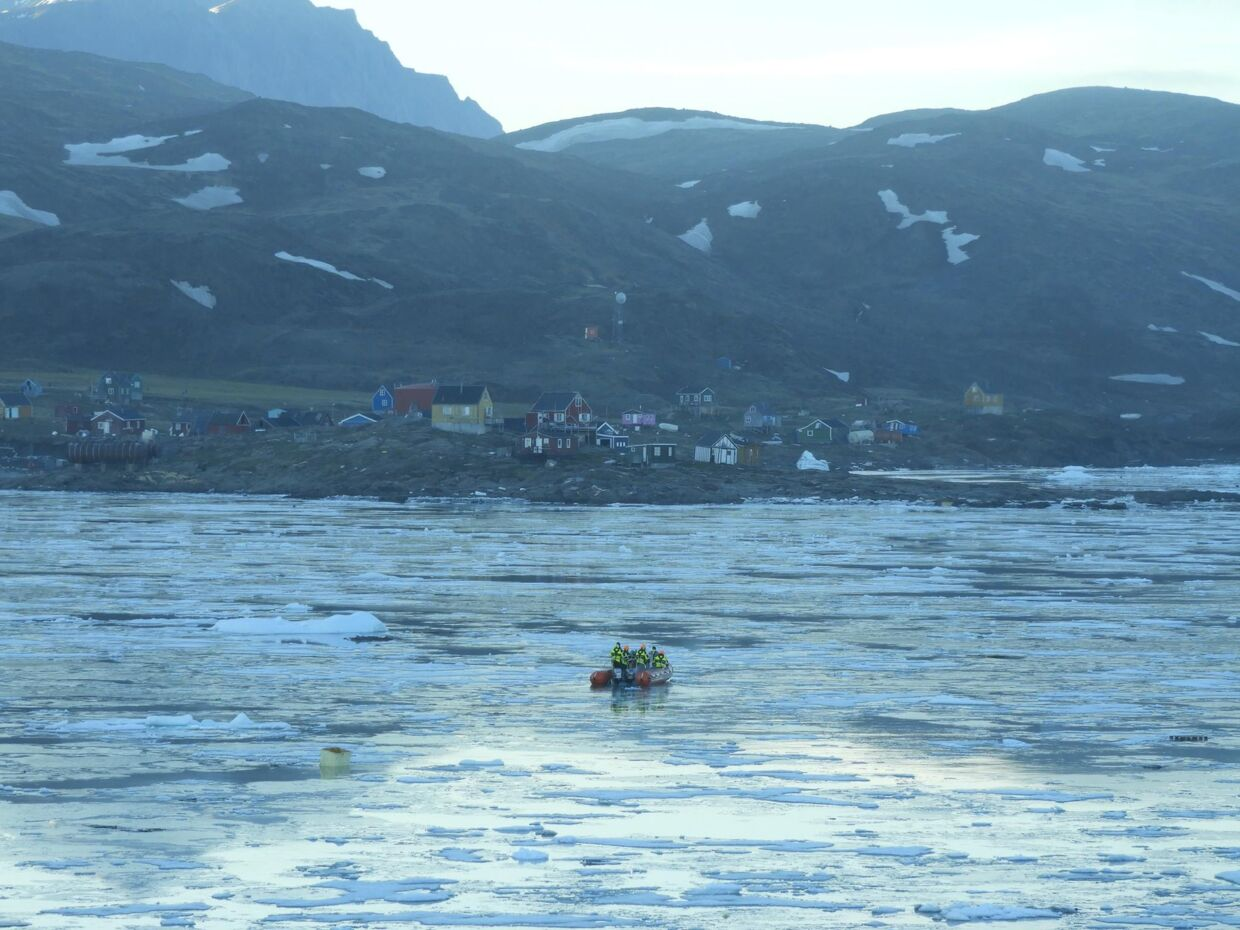
A monumental landslide in Greenland’s Dickson Fjord caused a colossal tsunami that reverberated through the Earth’s crust for nine days. This unprecedented event, which occurred last September, was initially detected as an unusual seismic signal picked up by global sensors, prompting an international scientific investigation.

Tsunami’s Origin and Impact

The landslide involved a massive collapse of a mountainside, dislodging approximately 25 million cubic meters of rock—equivalent to 25 Empire State Buildings. This debris, along with glacial ice, generated a 200-meter-high mega-tsunami. Unlike typical tsunamis, which dissipate quickly in the open ocean, this wave remained trapped within the fjord’s complex, narrow system. The wave’s energy was contained, causing it to oscillate back and forth within the fjord for an extraordinary nine days.

Dr. Stephen Hicks from UCL, who was part of the investigative team, noted that the seismic signals from this event were markedly different from those of an earthquake. “When we first detected the signal, it was unlike anything we had seen before,” Hicks explained. The persistent seismic vibrations, appearing every 90 seconds, led scientists to initially classify them as an “unidentified seismic object.”

Investigation and Findings

The investigation, which involved collaboration between an international team of scientists and the Danish Navy, used a combination of seismic data, satellite imagery, and photographic evidence. The team pinpointed the source of the seismic signals to Dickson Fjord in East Greenland, where a satellite image revealed a cloud of dust in a gully. Subsequent photographs showed that a mountain had collapsed, sending part of a glacier into the fjord.

The researchers’ model demonstrated that the tsunami’s energy did not dissipate but instead created a prolonged series of wave movements within the fjord, an unprecedented phenomenon in the field of tsunami research.

Climate Change and Rising Tsunami Risks

The landslide was attributed to rising temperatures in Greenland, which have caused glaciers to thin and lose their supporting role for surrounding mountains. Dr. Hicks highlighted that this event underscores the impact of climate change on geological stability. “The glacier that supported the mountain had become so thin that it could no longer hold the mountain up,” he said. “This shows how climate change is affecting these areas.”

Although this event occurred in a remote fjord, it serves as a warning about the potential risks associated with climate change. The lead researcher, Dr. Kristian Svennevig from the National Geological Surveys for Denmark and Greenland (GEUS), emphasized that such giant landslides and tsunamis are becoming increasingly common in the Arctic. “While this specific event does not confirm a broader trend, its scale highlights the need for further research into these phenomena,” Svennevig stated.

Conclusion

The Dickson Fjord landslide and its resulting mega-tsunami represent a significant and novel climate change impact, with effects observable in seismic data worldwide. This event underscores the urgent need for continued monitoring and research into the environmental changes driving such dramatic geological occurrences.