Yazılar

UK Competition Watchdog to Investigate Google Search Services

The UK’s Competition and Markets Authority (CMA) announced on Tuesday that it will use newly acquired regulatory powers to investigate Google’s search services. The investigation will examine how these services affect consumers, businesses, advertisers, and competitors, following growing U.S. calls for regulatory action against the tech giant.

The CMA emphasized that search is crucial for economic growth, with millions of consumers and over 200,000 UK businesses relying on Google’s search and advertising services. Google dominates the search market with 90% of searches in the UK taking place on its platform. The CMA’s role, according to its CEO Sarah Cardell, is to ensure fair competition in the sector, allowing consumers to fully benefit from choice and innovation.

Responding to the investigation, Google’s competition director, Oliver Bethell, pointed out the CMA’s acknowledgment of the sector’s importance for growth. Google plans to engage with the CMA to explain how its services benefit consumers and businesses, while also highlighting potential drawbacks of overly prescriptive regulations. Bethell stressed the importance of a balanced regulatory approach that fosters innovation and consumer choice.

This move comes in the wake of pressure from U.S. prosecutors, who in November argued that Google should be forced to sell its Chrome browser and make search results and data available to competitors. In the U.S., a judge ruled in August that Google had violated antitrust laws, having spent billions to become the default search engine worldwide.

In the UK, Google is already facing scrutiny from the CMA in relation to the cloud computing market, alongside Amazon and Microsoft, as well as its dominance in mobile browsers in collaboration with Apple. The CMA is empowered by new regulations to designate companies with Strategic Market Status (SMS), allowing for in-depth investigations of firms like Google.

The CMA’s investigation will assess whether Google holds SMS in both search and search advertising markets. It will also explore if Google’s market dominance leads to preferential treatment for its own services, as well as the potential barriers to entry and innovation in the sector. Additionally, the watchdog will look into how Google handles consumer data.

The rise of AI-powered search engines, like ChatGPT, poses a long-term challenge to Google’s market dominance. The CMA will also consider whether Google is using its influence to shape the development of new AI services and interfaces to mitigate these emerging competitors. The investigation, which could last up to nine months, may lead to regulatory interventions such as requiring Google to share data with other businesses or allowing publishers more control over how their content is used in Google’s AI services.
 

Xpeng Plans to Hire Over 6,000 Workers in 2025 Amidst Market Competition

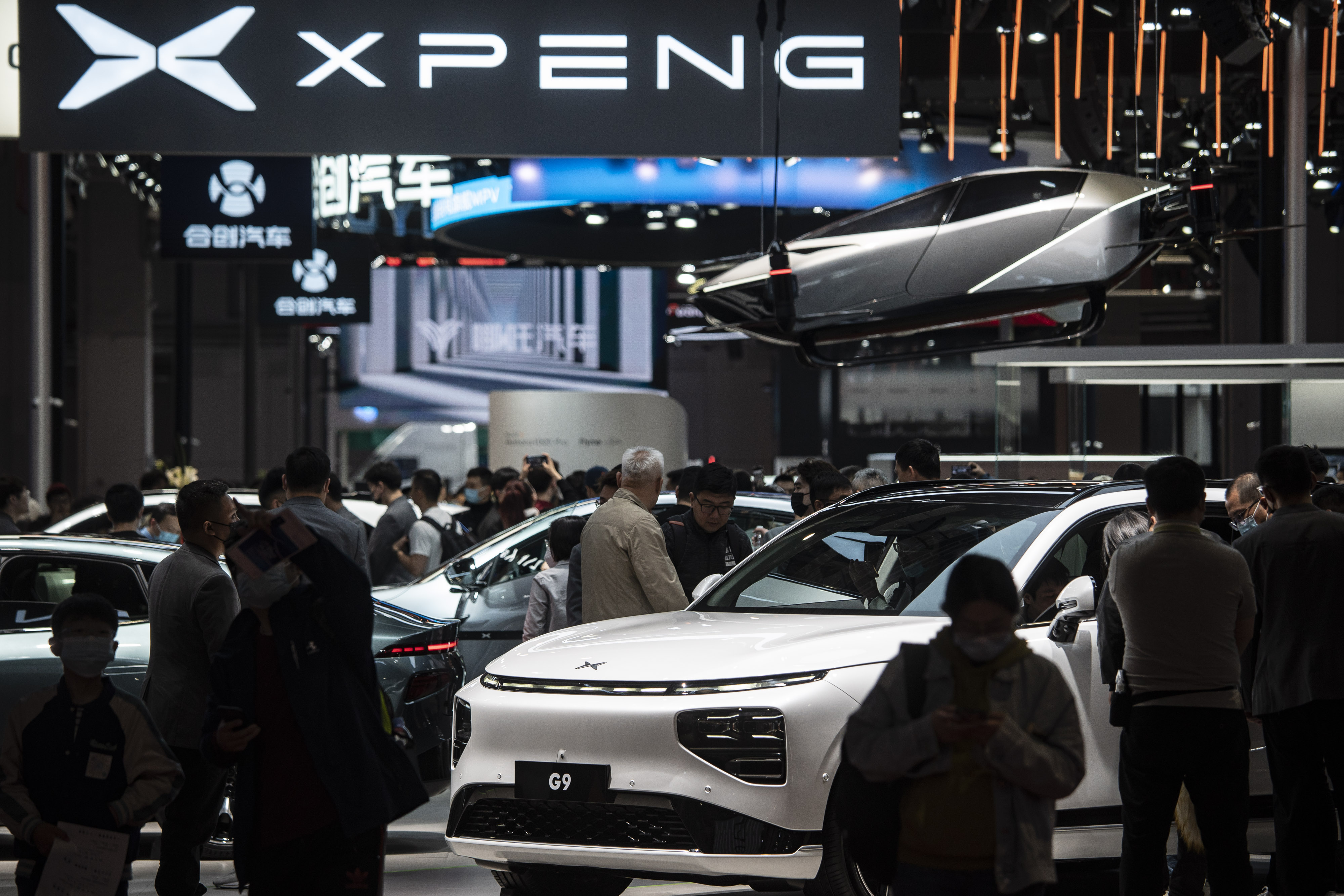
Chinese electric vehicle manufacturer Xpeng announced plans to hire over 6,000 workers in 2025, as CEO He Xiaopeng shared in a letter to the company’s internal stakeholders on Tuesday. He anticipates intensifying market competition in 2025, with a price war expected to start in January. In response to the growing demand and competitive pressures, Xpeng aims to expand its presence globally, having already entered 30 countries and regions. The company has set an ambitious target to increase its footprint to over 60 markets by the end of 2025, continuing its rapid growth in the electric vehicle industry.


Tesla Achieves Record China Sales in 2024 Amid Global Decline

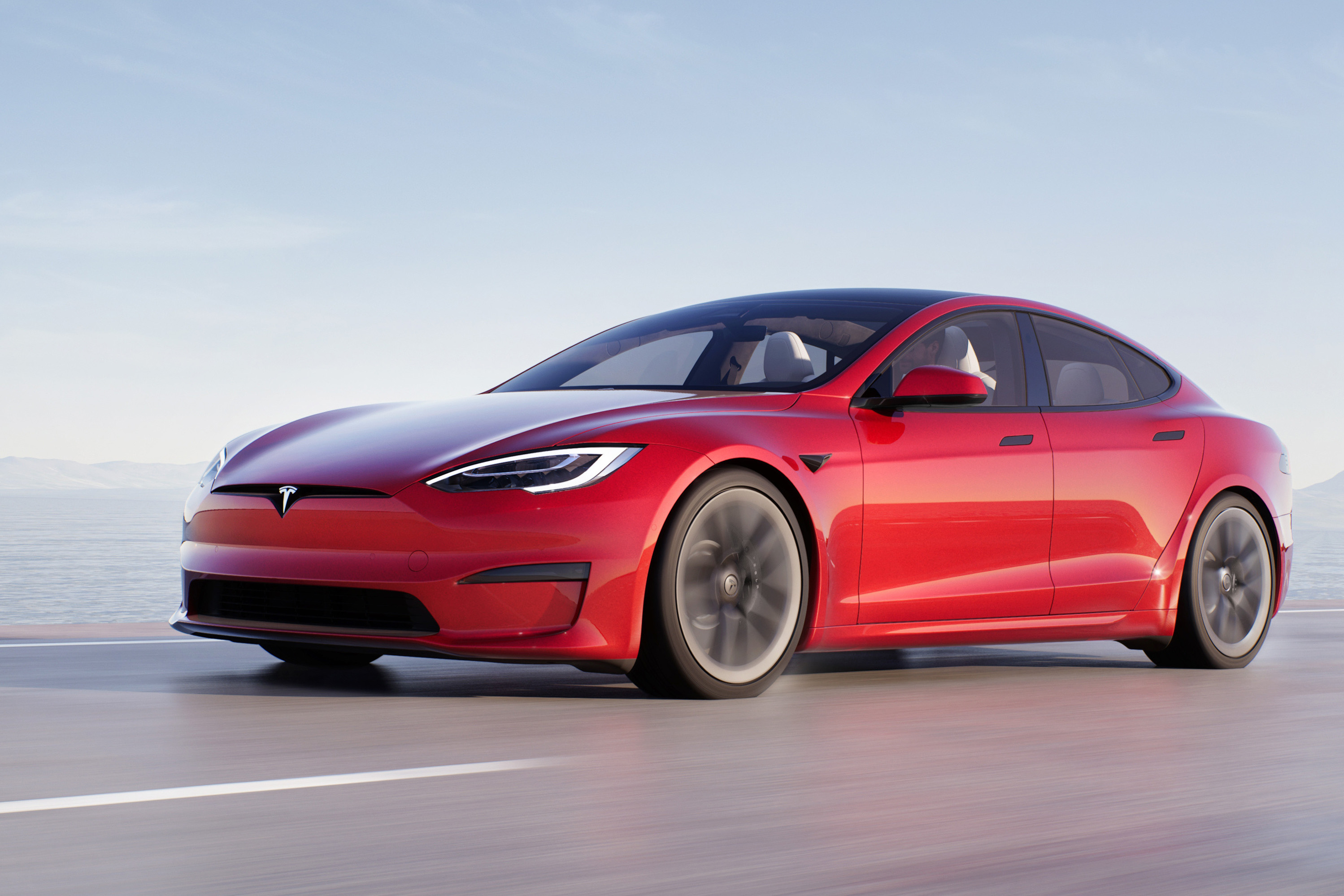
Tesla’s performance in China hit a new high in 2024, with sales rising 8.8% to over 657,000 vehicles, even as global deliveries fell for the first time in the company’s history. In December, Tesla China recorded its highest monthly sales of 83,000 units, marking a 12.8% increase from the previous month. China accounted for 36.7% of Tesla’s total deliveries, solidifying its position as the company’s second-largest market.

Despite Tesla’s strong performance in China, global deliveries slipped by 1.1%, falling short of CEO Elon Musk’s earlier prediction of slight growth. Contributing factors included a 24% drop in exports from China, reduced subsidies in Europe, increased competition from Chinese EV makers like BYD, and a growing U.S. preference for lower-priced hybrid vehicles.

Tesla’s Shanghai plant, the company’s most productive factory, saw a 3.3% decline in sales of its China-made Model 3 and Model Y vehicles, including domestic and export markets. Total exports from China fell to 260,000 units, the lowest since 2021. Exports to Europe were particularly affected by the EU’s subsidy investigation into Chinese EVs, resulting in an October tariff of 7.8% on Tesla cars from China.

China Leads Global EV Growth

China remained the only major market with robust EV growth in 2024, accounting for 70% of global EV and hybrid sales. Over 90% of the increase in global EV sales originated in China, underscoring the country’s dominance in the electric vehicle sector. John Zeng, head of market forecasting at GlobalData, noted that China’s growth starkly contrasts with stagnation or decline in other markets.

Tesla maintained a narrow lead in global sales, delivering 1.79 million cars, just ahead of BYD’s 1.76 million units. However, BYD outpaced Tesla in growth, with a 12.1% increase in EV sales globally and a 41% surge in total passenger vehicle sales, reaching over 4.25 million units. BYD’s overseas sales rose 71.9% to 417,204 units, though it fell short of its 450,000-unit export target due to a 17% EU tariff.

Tesla’s Strategic Adjustments

Amid fierce competition and an ongoing price war in China, Tesla has extended a 10,000-yuan ($1,369.99) discount for loans on its Model Y and offered zero-interest financing for up to five years on some Model 3 and Model Y cars. These incentives aim to maintain Tesla’s competitive edge in a market dominated by aggressive cost-cutting strategies from rivals like BYD.

Challenges and Investigations

Tesla downsized its global workforce in response to declining demand and heightened competition. Similarly, BYD faced challenges, including an investigation by Brazilian authorities into the working conditions of Chinese laborers at a construction site for a BYD factory in Brazil. Nearly 20% of BYD’s overseas sales came from Brazil, highlighting its importance as a growing market despite these setbacks.