Yazılar

UK Anti-Trust Regulator to Launch Two Investigations Under New Digital Markets Powers

Britain’s anti-trust regulator, the Competition and Markets Authority (CMA), has announced it will initiate two investigations this month under its newly granted powers aimed at overseeing the country’s largest tech firms. These powers, introduced as part of the UK’s Digital Markets regime, are designed to encourage investment, innovation, and market growth while ensuring fair competition within the digital sector.

Under the new framework, the CMA can designate firms as having “Strategic Market Status” (SMS), which applies to the most dominant tech companies in specific digital activities. The threshold for SMS status is high, meaning only the largest and most influential companies will be subject to such investigations.

In November, the CMA suggested that Apple could be stifling innovation in the smartphone browser market and indicated it might investigate the duopoly of Apple and Google in mobile ecosystems. The new regulatory powers came into effect this month, allowing the CMA to explore these concerns further.

The regulator confirmed it expects to launch two investigations this month, with more details to be provided in due course. A third investigation is slated to begin after approximately six months. Each investigation will have a statutory completion time of nine months.

The CMA’s investigations will likely focus on issues such as preventing dominant players from suppressing smaller competitors by prioritizing their own services, facilitating easier transitions between digital providers while retaining user data, and fostering competition to drive growth.

This move follows increased scrutiny of mergers and acquisitions post-Brexit, with the CMA now playing a more prominent role in regulating the tech sector. Prime Minister Keir Starmer urged the regulator in October to focus more on growth, with the new digital markets regime aimed at boosting the UK’s appeal to tech companies while ensuring consumers have access to competitive options at fair prices.

 

Tesla Unveils Redesigned Model Y in China to Counter Competition

Tesla has introduced an updated version of its best-selling Model Y in China, featuring a redesigned exterior and enhanced interior features, aiming to regain market share from local competitors such as Xiaomi. The new Model Y, priced at 263,500 yuan ($35,900), is 5.4% more expensive than its predecessor and is set to start deliveries in China in March, pending regulatory approval. Tesla is also accepting orders for the revamped SUV in several other Asia-Pacific markets, although details on its availability in North America and Europe remain unclear.

The redesigned Model Y now boasts a new light bar stretching across the front end, similar to Tesla’s Cybertruck, along with a full-width light bar on the tailgate. Additional upgrades include heated and ventilated seats for comfort in all weather conditions and a touchscreen for rear-seat passengers. The long-range version now offers a driving range of 719 kilometers per charge, an improvement over the previous 688 km.

While the Model Y has been successful since its 2020 launch, it faced growing competition in China in 2024, with local electric vehicle (EV) manufacturers gaining ground. Tesla’s market share in China’s battery electric vehicle market dropped from 11.7% in 2023 to 10.4% last year. Chinese EV giants such as BYD and Xiaomi have gained traction, with Xiaomi delivering over 130,000 units of its first model, the SU7, in 2024. In addition, companies like Xpeng are also preparing to launch models that directly compete with the Model Y, such as the G7.

Despite the new Model Y, analysts are uncertain whether Tesla will regain its previous momentum in China. Moreover, Tesla’s delayed rollout of its “Full Self-Driving” software could leave it at a disadvantage against Chinese brands that have developed advanced smart driving features.

Tesla also plans to introduce a six-seat variant of the Model Y in China later in the year, which could further expand its offerings in the competitive EV market.


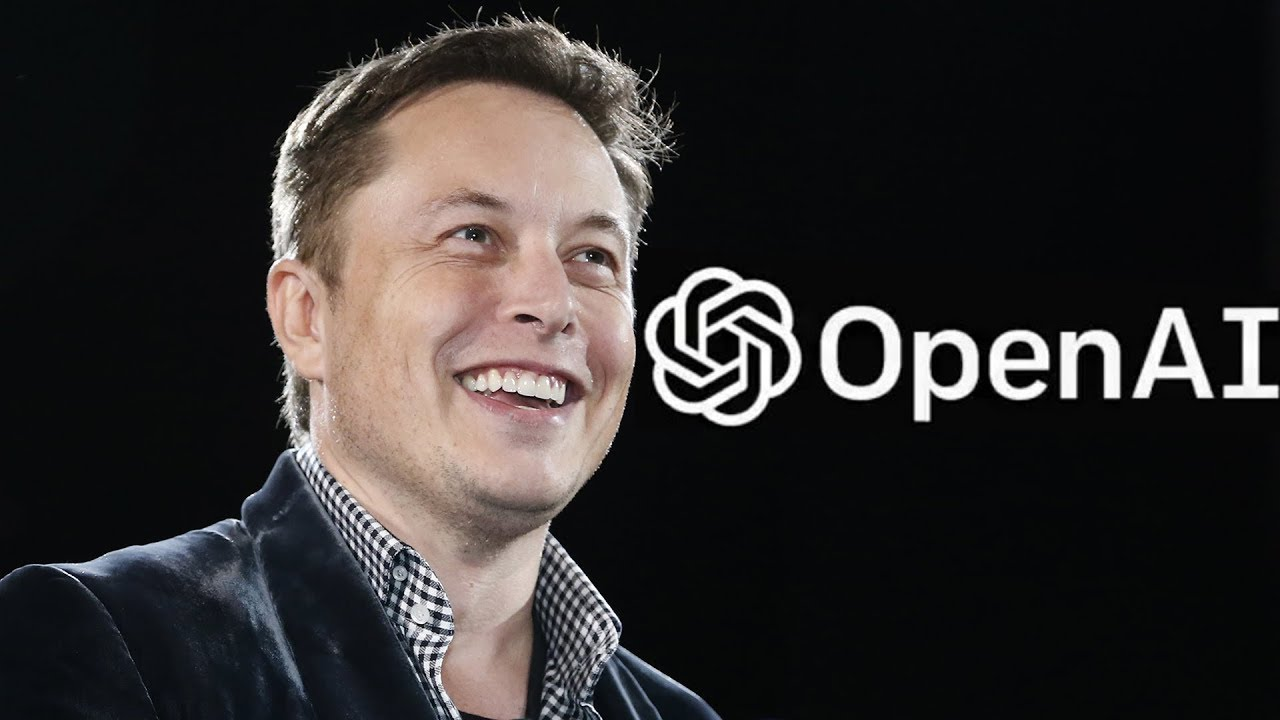
US Supports Musk’s Argument in Lawsuit Against OpenAI

U.S. antitrust regulators have weighed in on Elon Musk’s lawsuit seeking to block OpenAI’s transition into a public company, reinforcing his claims that OpenAI and Microsoft engaged in anticompetitive practices. Although the Federal Trade Commission (FTC) and the Department of Justice (DOJ) did not express a direct opinion on the lawsuit, they provided legal analysis that backs Musk’s argument ahead of a crucial hearing in Oakland, California.

Musk, who co-founded OpenAI and owns AI startup xAI, alleges that OpenAI violated antitrust laws by requiring investors to avoid funding rival artificial intelligence companies and by sharing board members with Microsoft, which is also named in the lawsuit. The lawsuit asserts that these actions harmed competition in the AI market.

In response, OpenAI dismissed the lawsuit, claiming that Musk’s allegations lack evidence and are merely harassment. The company also argued that the claims regarding board member affiliations were irrelevant, as two former Microsoft-affiliated board members—Reid Hoffman and Deannah Templeton—are no longer associated with OpenAI.

However, the FTC and DOJ emphasized that even former board members could still possess sensitive competitive information, which could have implications for antitrust law violations. The authorities also stated that a group investor boycott, as Musk alleges, could be illegal even if the organizer was not a direct investor, reinforcing Musk’s claims of anticompetitive conduct.

The FTC is currently investigating partnerships in AI, including the collaboration between OpenAI and Microsoft, to determine if there have been violations of antitrust or consumer protection laws.