Yazılar

PayPal’s Profit Growth Focus Slows Unbranded Business, Shares Drop 10%

PayPal’s shares fell nearly 10% on Tuesday after the digital payments giant reported a sharp slowdown in its unbranded card processing business growth and a shrinkage in its operating margin during the fourth quarter. The company’s unbranded payments, which involve transactions for other firms rather than PayPal itself, had experienced strong growth in recent years but traditionally operated on low margins due to intense competition.

Under CEO Alex Chriss, PayPal has focused on “profitable growth” and revamped its pricing strategy, particularly for its Braintree product (the non-PayPal branded checkout service), which has led to some customer losses. In the fourth quarter, total payment volume growth for unbranded payment processing slowed to just 2%, a significant drop from 29% the previous year. Despite this, the focus on profitable growth has improved overall profitability.

Branded product growth, which includes services like Venmo where consumers and merchants interact within PayPal’s platform, also fell short of analysts’ expectations, increasing by only 6%, below the expected 7%. This outcome overshadowed an optimistic forecast for 2025 profit growth that surpassed Wall Street estimates.

The results come amid increasing competition in the digital payments space, with technology giants like Apple and Google, along with traditional card networks like Visa and Mastercard, expanding into PayPal’s core market. This competition has intensified as more consumers turn to mobile payment options such as Google Pay and Apple Pay.

Despite a contraction in adjusted operating margins by 34 basis points to 18% in Q4, PayPal’s shift towards high-margin products helped the company close the year with an expansion in margins, rising 116 basis points to 18.4%.

CEO Chriss, who took over in late 2023, emphasized the company’s commitment to focusing on high-margin products and optimizing its offerings for better profitability. PayPal’s new initiatives include a “one-click” checkout feature called Fastlane and forming new partnerships to strengthen its market position.

Looking ahead, PayPal expects its adjusted profit for the full year to grow between $4.95 and $5.10 per share, surpassing Wall Street’s estimated $4.90 per share. The company reported an adjusted profit of $1.19 for the fourth quarter, exceeding estimates of $1.12. Its revenue for Q4 rose by 4% to $8.4 billion, and total payment volume increased by 7%.

 

US DOJ Sues to Block Hewlett Packard Enterprise’s $14 Billion Juniper Deal

The U.S. Department of Justice (DOJ) has filed a lawsuit to block Hewlett Packard Enterprise’s (HPE) $14 billion acquisition of Juniper Networks, arguing that the deal would reduce competition in the networking equipment market. According to the complaint, the merger would result in just two companies—HPE and Cisco Systems—controlling more than 70% of the U.S. market for networking gear.

Shares of both HPE and Juniper Networks fell by about 2% following the announcement. This antitrust lawsuit is the first to be filed under the current administration.

In response, the companies argue that the deal will not harm competition, claiming that it would bring together two complementary networking solutions that can better compete with established global players. They also pointed to Juniper’s innovations, which have driven HPE to lower its prices and invest more in innovation.

The DOJ’s complaint specifically noted that Juniper’s competitive pressures have forced HPE to offer discounts and develop new features to maintain market relevance. The companies are prepared to defend the merger in court, with pretrial and trial proceedings expected to take place over the next eight months, before the deal’s walk-away date in October.

While the DOJ moves forward with its challenge, both the UK’s Competition and Markets Authority and the European Union have already approved the acquisition.


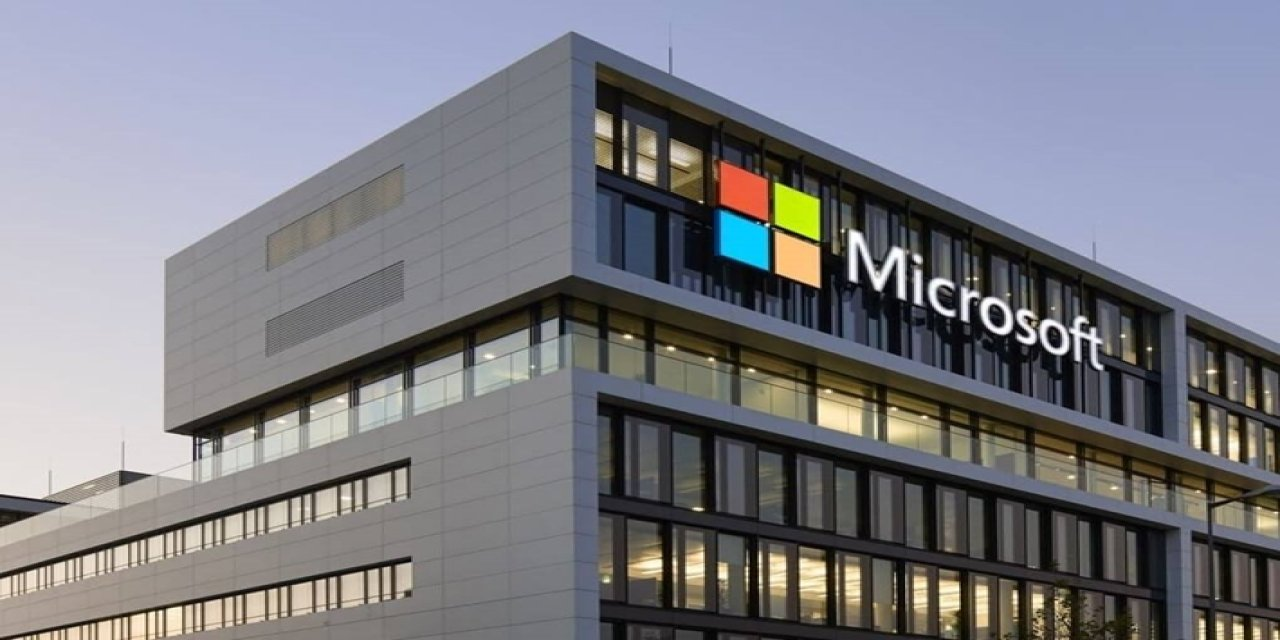
Microsoft Shares Slide After Disappointing Cloud Forecast and AI Spending Worries

Microsoft’s shares dropped 4.5% in after-hours trading on Wednesday after the company issued a disappointing growth forecast for its cloud computing business, particularly Azure. Despite exceeding sales expectations for the fiscal second quarter, investors expressed concerns about the company’s large spending on artificial intelligence (AI) and the potential competition from cheaper AI models emerging from China.

The cloud unit, Azure, reported 31% growth in the quarter, falling short of Wall Street’s expectations of 31.8%. Microsoft’s capital expenditures were also higher than analysts anticipated, reaching $22.6 billion, compared to the forecasted $20.95 billion.

Although Microsoft’s AI investments have led to improved performance, including a 10-fold better price-to-performance ratio, analysts are looking for clearer evidence of monetization. Despite being optimistic about AI’s future potential, Microsoft CEO Satya Nadella acknowledged that the company is still in the early stages of realizing profits from these technologies.

The rise of DeepSeek, a Chinese AI startup, has intensified concerns about increased competition in the AI market, potentially leading to a price war. Microsoft has already added DeepSeek’s AI models to its Azure offerings, highlighting the growing pressure from rivals offering cheaper AI alternatives.

However, Microsoft remains a strong player in the AI space, securing new Azure contracts, including those with OpenAI, which has helped the company achieve significant commercial bookings growth of 67%. Microsoft’s total revenue for the fiscal second quarter was $69.6 billion, reflecting a 12% increase, while earnings per share were reported at $3.23, surpassing analyst expectations of $3.11.

Despite the uncertainty surrounding AI spending and competition, Microsoft continues to be viewed as a key player in the AI sector, with its stock rising 8% over the past year, although trailing behind competitors like Alphabet and Amazon in performance.