Elon Musk to Interview Donald Trump on X: A New Twist in the U.S. Presidential Election
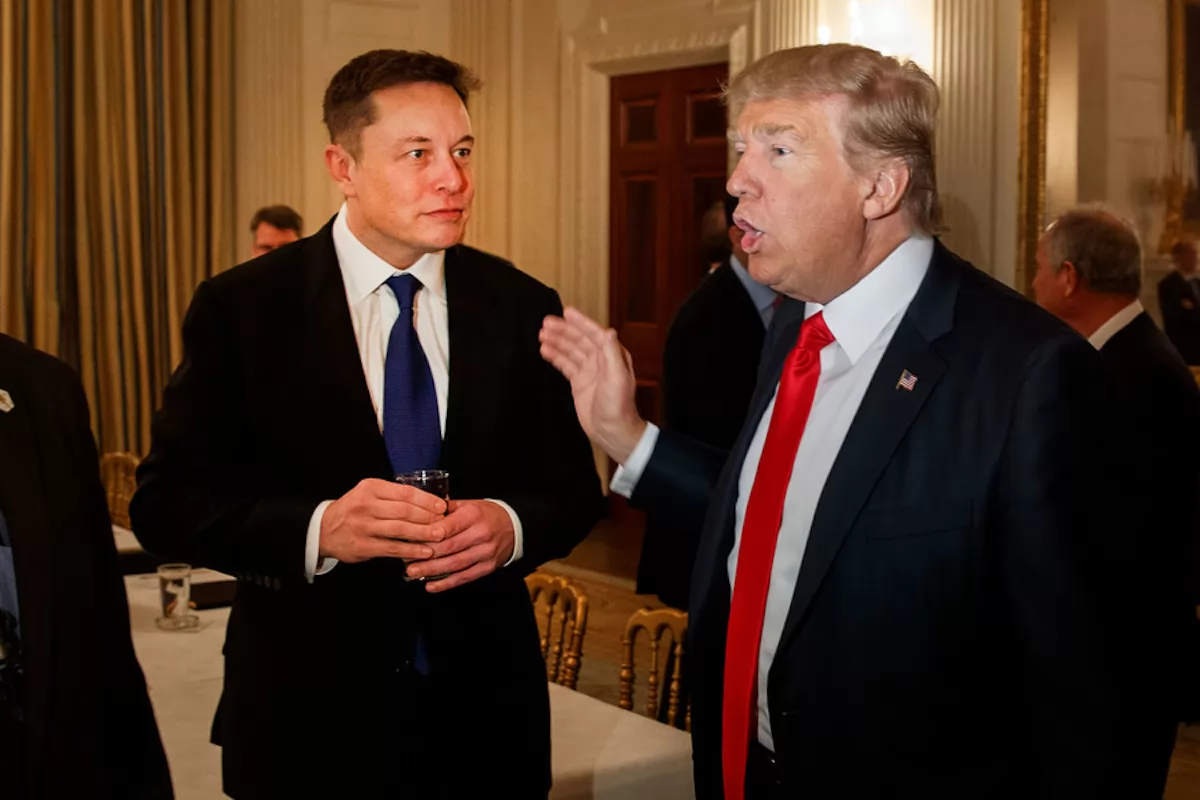
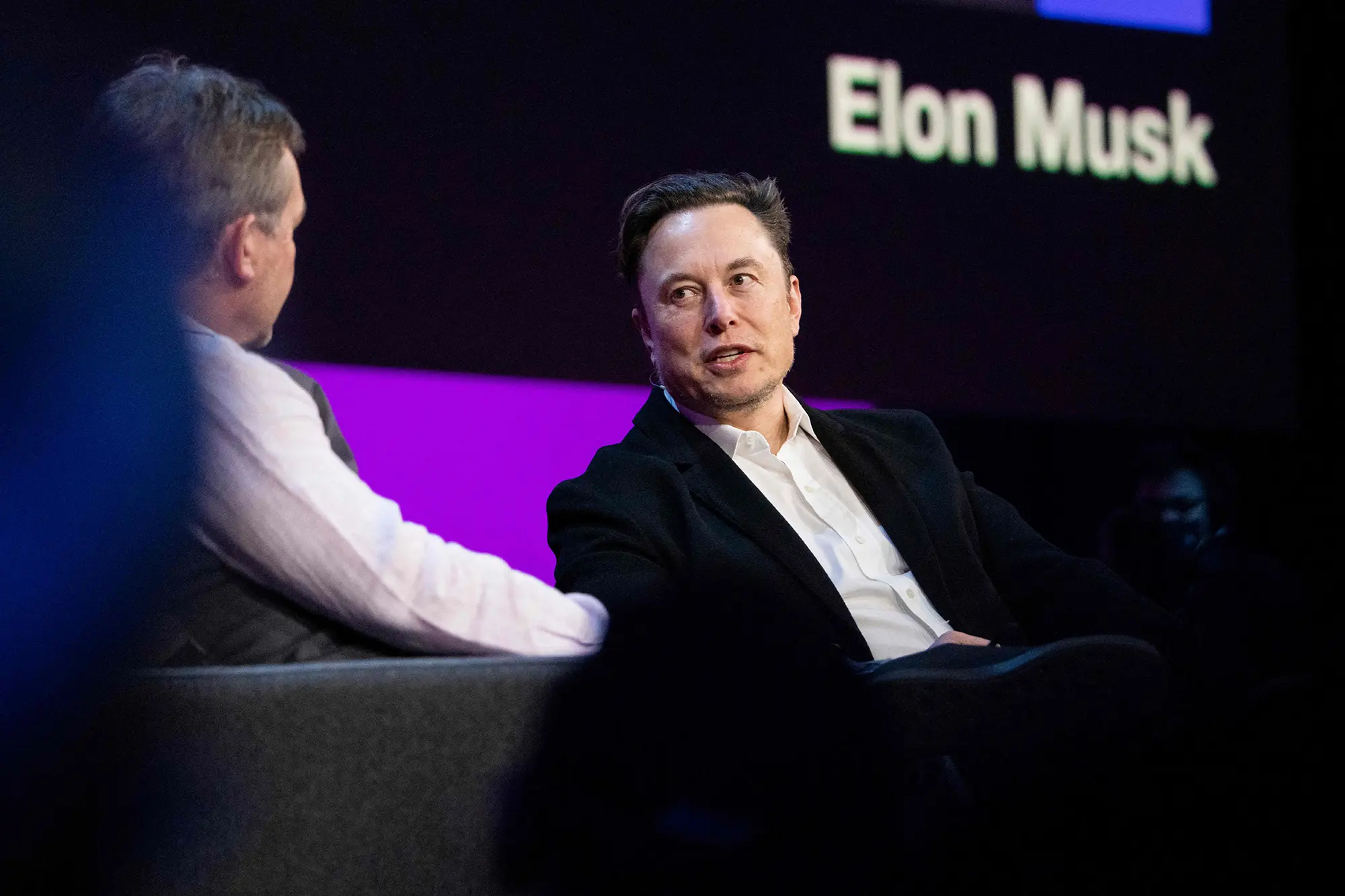
Elon Musk, the billionaire entrepreneur and owner of the social media platform X, is set to interview former President Donald Trump, the Republican candidate for the 2024 U.S. presidential election, in an event scheduled for Monday at 8 p.m. Eastern Time. This high-profile interview, which will be broadcast on X, is expected to draw significant attention as Trump seeks to rejuvenate his campaign amidst declining poll numbers.
The timing of this interview is crucial for Trump, whose campaign has struggled to maintain momentum against his Democratic opponent, Vice President Kamala Harris. Harris has recently closed the gap in the polls and has energized her base with a series of dynamic rallies. For Trump, this interview represents an opportunity to reach a broader audience beyond his usual conservative base, who typically tune in to his appearances on Fox News and attend his rallies. However, X has experienced technical issues in the past during similar high-traffic events, raising concerns about the platform’s ability to handle the anticipated viewership.

Musk’s involvement in the interview adds an intriguing dimension, given his evolving political stance. Although he supported President Joe Biden in the 2020 election, Musk has since shifted rightward and publicly endorsed Trump after an attempted assassination attempt against the former president. Musk, who also leads Tesla, has even established a political action committee to support Trump’s campaign, which is currently under investigation in Michigan for potential violations of voter information laws.
Trump, who has historically been critical of electric vehicles, has notably softened his stance following Musk’s endorsement. At a rally in early August, Trump stated, “I’m for electric cars. I have to be, because Elon endorsed me very strongly. So I have no choice.” This shift highlights the complex and sometimes contradictory alliances forming in the lead-up to the November 2024 election.
The interview will also mark Trump’s return to X, formerly known as Twitter, after his account was reinstated under Musk’s ownership. Trump’s access to the platform was previously suspended following the January 6, 2021, Capitol riot. On Monday morning, Trump posted on X for the first time in a year, sharing an advertisement that emphasized his belief that the criminal charges he faces are politically motivated.
Musk’s stewardship of X has been marked by controversy, particularly regarding content moderation. Since acquiring the platform in 2022, Musk has reduced moderation efforts, leading to a reported increase in hate speech and driving away advertisers. His endorsement of an antisemitic post and subsequent criticism of the Anti-Defamation League has further fueled these controversies.
As the interview approaches, both Trump and Musk are poised to draw considerable attention, not only for the content of their conversation but also for the broader implications it may have on the presidential race and the evolving media landscape.