Yazılar

Tesla Discontinues Orders for Cheapest Cybertruck, Pushes $100,000 Version

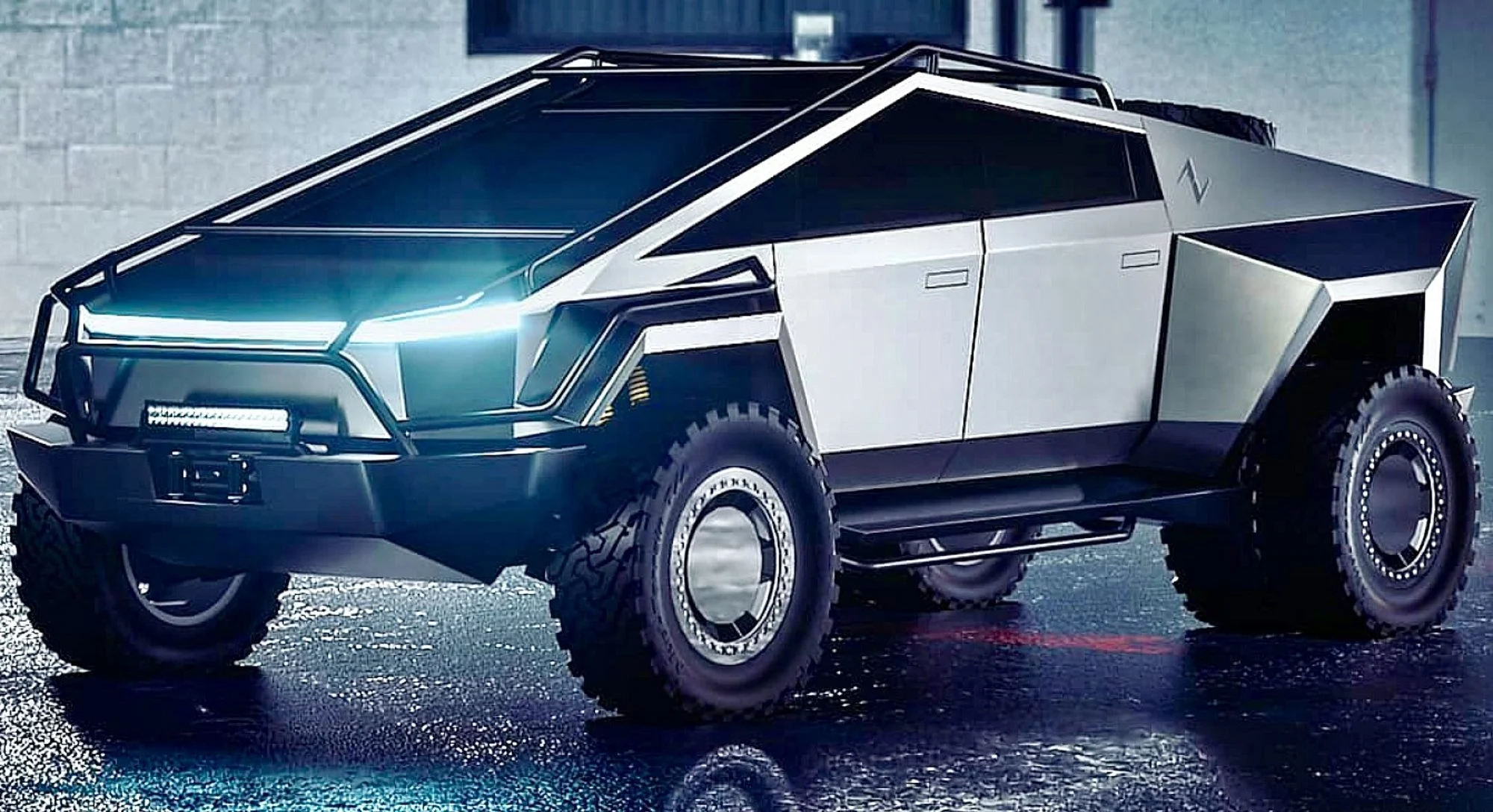
Tesla has halted orders for its least expensive Cybertruck, previously priced at $61,000, and is now focusing on selling the $100,000 version. This shift comes as the company ramps up production and aims to meet its goal of manufacturing 200,000 units annually.

Despite CEO Elon Musk’s earlier claim of 1 million reservations, the decision to drop the lower-priced model indicates that actual demand might be lower than anticipated. Tesla’s website now offers only the $99,990 dual-motor Foundation limited series, with a 318-mile range, and the $119,990 tri-motor Foundation Cyberbeast, with a 301-mile range. These models are available for delivery starting this month and in October, respectively.


The move highlights Tesla’s strategy to capitalize on higher-priced models, which have already seen significant sales, with nearly 4,800 units sold in July alone. However, sustaining high sales volume at this price point may prove challenging, according to industry analysts.

The Cybertruck, with its unique trapezoidal design and stainless-steel body, began deliveries in November 2023 after several delays. Originally promised at a $40,000 price point with a 500-mile range, the current models fall short of these early expectations.
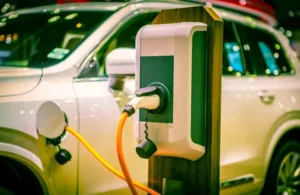
 

US Government’s Proposal to Boost EV Sales: Challenges and Opportunities

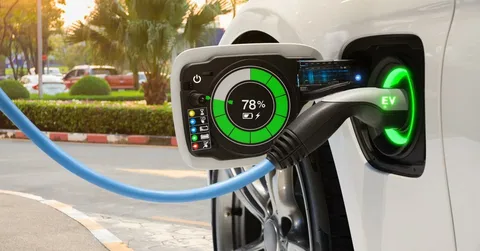
The US government is set to overhaul auto emissions standards, mandating that electric vehicles (EVs) constitute approximately two-thirds of all new car sales by 2032. According to Moody’s analyst Matthias Heck, achieving these targets will be challenging but feasible with significant investment. The proposal remains tentative and could be revised before finalization.

In the coming decade, advancements in battery technology, reduced costs, and government incentives like those from the Inflation Reduction Act will make EVs more attractive to consumers. Chris Harto of Consumer Reports highlights that while EVs are expected to gain substantial market share, the transition will not be abrupt; gas-powered vehicles will still dominate the roads in 2032. However, improved driving ranges, faster charging, and lower operating costs will make EVs more appealing.

Moody’s predicts that next-generation batteries will offer 30% greater range and faster charging, which, coupled with enhanced charging infrastructure, should ease consumer adoption. By 2026, JD Power’s Elizabeth Krear anticipates that EV equivalents will cover 75% of available models, with market share growing to 27%. California, already a leader in EV adoption, is expected to reach two-thirds market share for EVs before 2032, driven by its stringent policies and large market size.

Despite these promising developments, achieving the 2032 goal is not guaranteed. The increasing entry of automakers into the EV market and evolving consumer preferences will play crucial roles. Brands like Toyota and Honda are expanding their EV offerings, with GM aiming to transition to an all-electric lineup by 2035. The Alliance for Automotive Innovation has urged careful planning and collaboration to ensure success.

As the market shifts, automakers that lag in EV adoption may face economic pressures to adapt, making the widespread acceptance of EVs a likely outcome.