Yazılar

BYD’s Global Expansion Push Faces Challenges in Japan

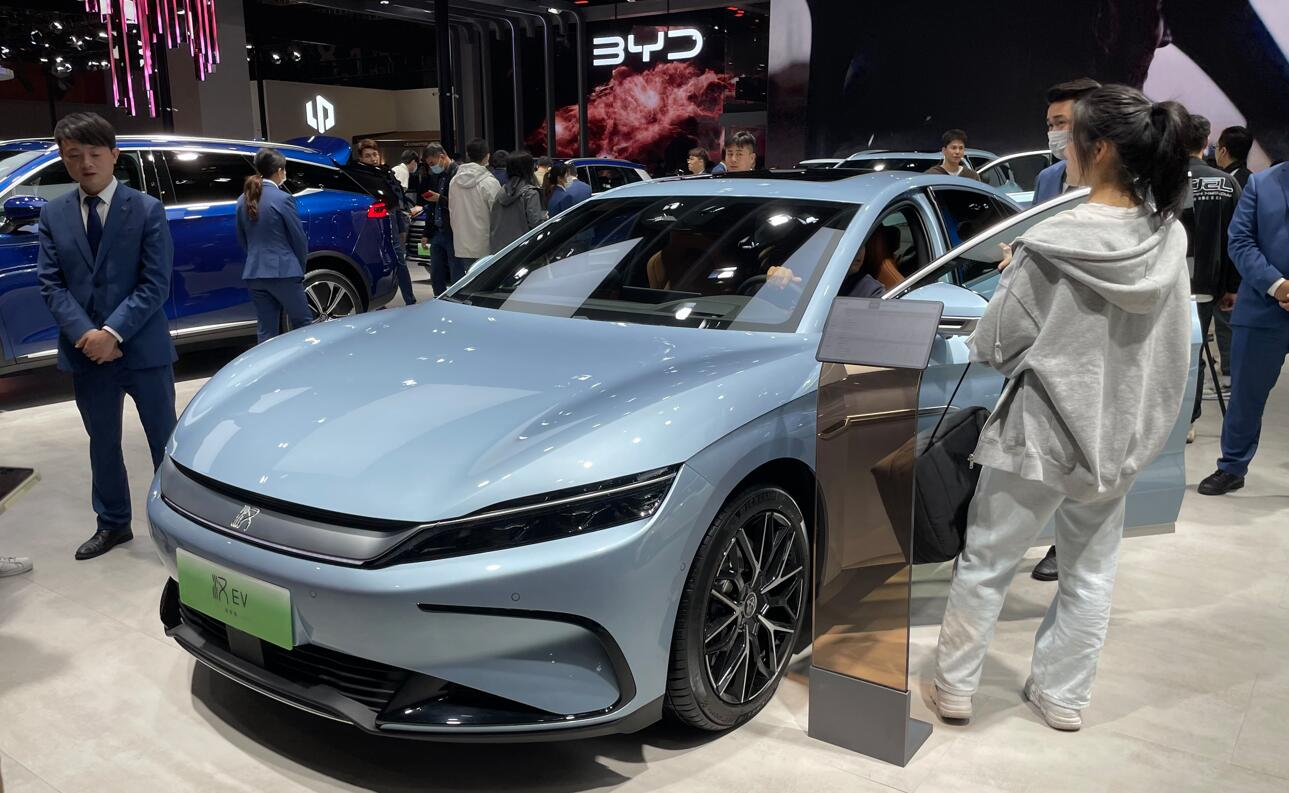
BYD, the leading Chinese electric vehicle (EV) manufacturer, is encountering difficulties in its expansion efforts in Japan, a notoriously tough market for foreign automakers. Despite rolling out incentives like discounts and marketing campaigns featuring popular Japanese actress Masami Nagasawa, BYD faces hurdles, including reduced government subsidies and a deep-rooted consumer preference for Japanese-made products. Japan’s recent changes in how EV subsidies are calculated have slashed financial incentives for foreign manufacturers like BYD, Mercedes-Benz, and others while benefiting domestic automakers such as Nissan and Toyota. Although BYD has opened 30 showrooms and sold over 2,500 vehicles in Japan since 2022, its progress is hindered by quality concerns among Japanese consumers and a protective stance from the government aimed at bolstering local industry. BYD has responded by offering 0% loans and home charger cashback incentives, while also planning to install quick chargers across Japan to qualify for higher subsidies. However, overcoming the market’s resistance will require significant investment and a focus on affordability and performance to win over consumers wary of Chinese products.

Uzbekistan Turns to Electric Vehicles in Its Push for Green Energy Transition

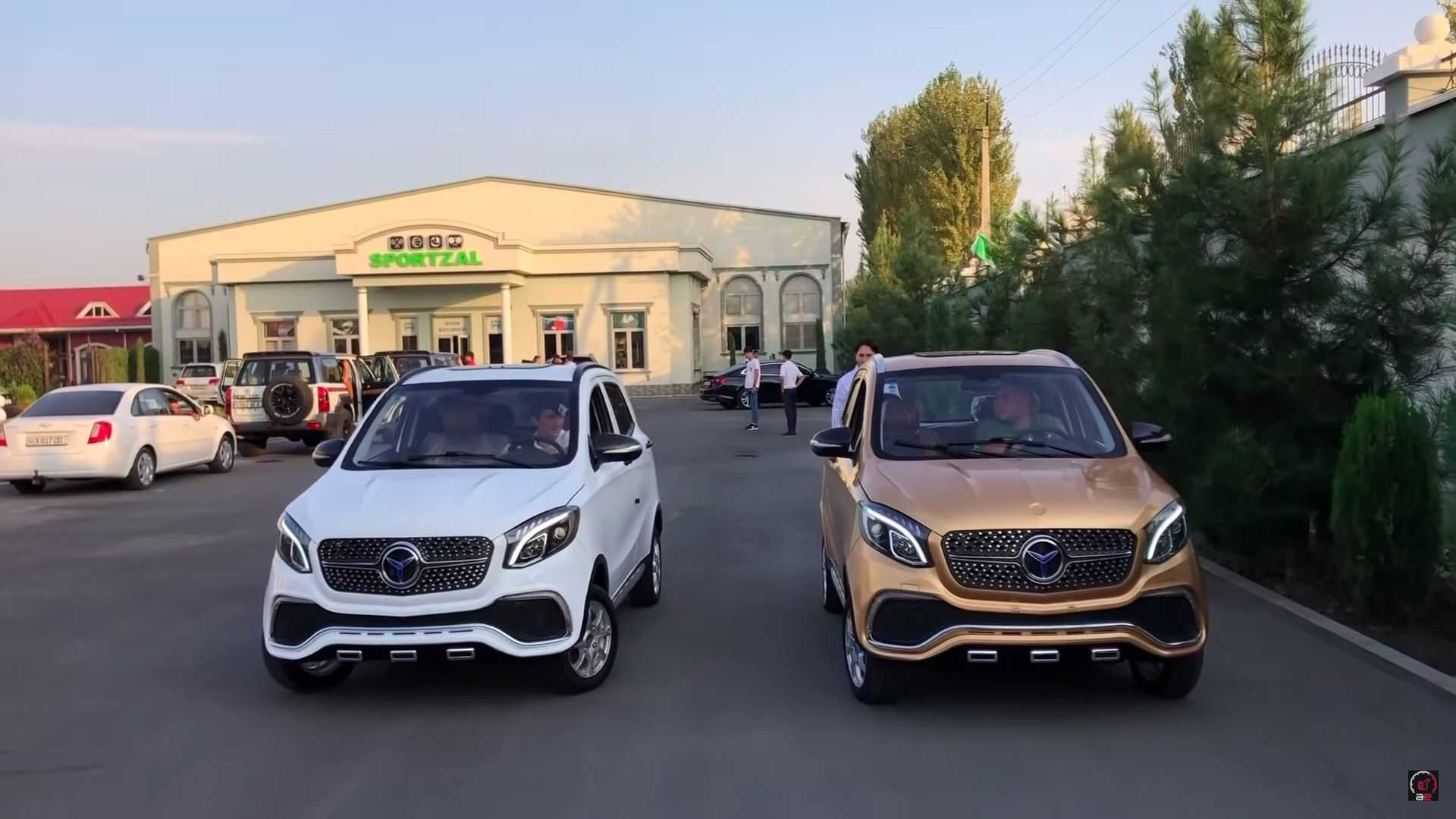
Uzbekistan, Central Asia’s most populous country, is taking bold steps to reduce its carbon emissions and shift towards a greener economy, with electric vehicles (EVs) playing a pivotal role in this transition. Historically dependent on fossil fuels for electricity, Uzbekistan has been ranked as one of the world’s most carbon-intensive economies by the World Bank. To combat this, the nation has introduced significant measures to encourage the adoption of EVs as part of a broader green growth strategy.

In a bid to make electric and hybrid cars more affordable, Uzbekistan eliminated excise and customs duties on these vehicles five years ago. This move slashed prices by as much as 50%, according to estimates, leading to a surge in EV sales. Over the past three years, sales of electric cars have grown tenfold, reflecting the country’s increasing commitment to green energy.

For consumers like Timur Chutbaev, a project manager based in Tashkent, the lower prices were a strong incentive to invest in an electric car. Chutbaev explained that powering his EV is far cheaper than using diesel or gasoline vehicles, given Uzbekistan’s government-subsidized electricity rates. Charging his car at home costs him just $5 for 500 kilometers (310 miles) of driving, making EV ownership both economically and environmentally attractive.

Although EVs currently account for a small share of the market, their numbers are rising. In 2022, 25,000 electric vehicles were sold out of a total of 1.7 million car sales. Chinese EV giant BYD, which dominates Uzbekistan’s imports, has further entrenched its presence by opening a plant in the Jizzakh region. With an annual capacity of 50,000 plug-in hybrids, the facility marks BYD’s first venture outside of China and is expected to serve the broader Central Asian market.

Picture background

However, the rise of EVs in Uzbekistan would not have been possible without investments in infrastructure. Alexander Abdullaev, CEO of local EV dealership Megawatt Motors, recalls the initial challenges of selling electric vehicles without an adequate network of charging stations. To promote EV adoption, his company built several charging points across Tashkent and surrounding regions and offered free charging services for two years. Today, hundreds of charging stations operate throughout the country, helping EVs become more accessible.

Despite the progress, Uzbekistan faces challenges in meeting its ambitious climate targets. By 2030, the country aims to reduce its emissions per unit of GDP by one-third from 2010 levels. While increasing the number of EVs on the road is a crucial step, it will not be enough on its own. The electricity grid that powers these vehicles is still primarily fueled by natural gas, a fossil fuel. In 2021, over 80% of the nation’s electricity came from gas, which significantly contributes to global warming.

Uzbekistan is actively investing in renewable energy to address this issue. Over the past five years, the country has boosted its renewable energy mix from 12% to 20%, with growing interest in hydropower and solar technology. David Knight, the World Bank’s lead country economist for Central Asia, emphasized that improving energy efficiency and reducing emissions are critical for Uzbekistan as its economy rapidly expands.

For now, demand for EVs remains strong, and Megawatt Motors is expanding its operations by training salespeople to cater to this burgeoning market. Abdullaev believes that Uzbekistan’s established automobile industry, which began in 1995, provides a solid foundation for producing homegrown electric vehicles in the near future. With the country’s green energy transition in full swing, Abdullaev is optimistic: “Anything is possible.”

Nio Targets Expansion of Battery Chargers and Swap Stations Across All Chinese Counties by 2025

Chinese electric vehicle manufacturer Nio has announced plans to significantly expand its charging and battery swap infrastructure, aiming to install battery charging stations in each of China’s 2,844 counties by June 2025. The company, a leader in the country’s electric vehicle sector, further disclosed its intentions to establish battery swap stations in more than 2,300 counties by the same timeline, with efforts to reach the remaining counties by 2026.

This large-scale expansion is a part of Nio’s broader strategy to address consumer concerns regarding range anxiety, a key hurdle for the widespread adoption of electric vehicles (EVs). Battery charging and swap stations are considered crucial in less developed areas where such infrastructure is sparse. Nio’s innovative battery swap technology allows drivers of compatible vehicles to exchange depleted batteries for fully charged ones in about three minutes, drastically reducing the time spent waiting at conventional charging stations.

Nio’s current infrastructure already includes over 23,000 charging stations and more than 2,480 battery swap stations as of August 2023. The company claims to have completed over 51 million battery swaps, with more than half of the electricity used by Nio vehicles in July derived from these swaps. The expansion of Nio’s infrastructure is not limited to its vehicles, as more than 200 other car brands are reportedly able to use the company’s charging stations. Over 80% of the electricity provided by Nio’s chargers is used by non-Nio vehicles, showcasing the brand’s contributions to China’s growing EV ecosystem.

Picture background

This expansion effort aligns with China’s national agenda to bolster the electric vehicle market, as outlined in its latest five-year plan that commenced in 2021. The plan includes goals for a nationwide fast-charging network, with particular emphasis on ensuring that at least 60% of highway service areas are equipped with such stations. The Chinese government has shown considerable support for the electric vehicle industry, including the development of EV charging infrastructure. In 2023, China reported a 65% increase in the number of charging stations, totaling 8.6 million. This translates to a ratio of one charging station for every 2.4 new energy vehicles sold during that year.

The competition in the electric vehicle market has driven rapid advancements in charging technology, with companies like Zeekr, a subsidiary of Geely, claiming that its new ultra-fast charging stations can charge a battery from 10% to 80% in just 10.5 minutes—surpassing the performance of Tesla’s charging technology. Nio, for its part, is focused on refining both its charging and swapping technologies, while continuing to build strategic partnerships with automakers such as Chang’an and Geely.

Nio’s power business is also expanding, with recent investments such as a 1.5 billion yuan ($210 million) injection led by a Wuhan city-linked fund. While the majority of Nio’s revenue comes from vehicle sales, its power services segment has grown by 5.2% in the first quarter of 2023, contributing 1.53 billion yuan to the company’s earnings.

The company has not yet announced its second-quarter earnings for 2023 but is expected to do so soon. As Nio continues its ambitious expansion plans, the company remains a central player in China’s push to dominate the global electric vehicle market.