Yazılar

EU Tariffs Unlikely to Deter Chinese EV Makers from Expanding in Europe

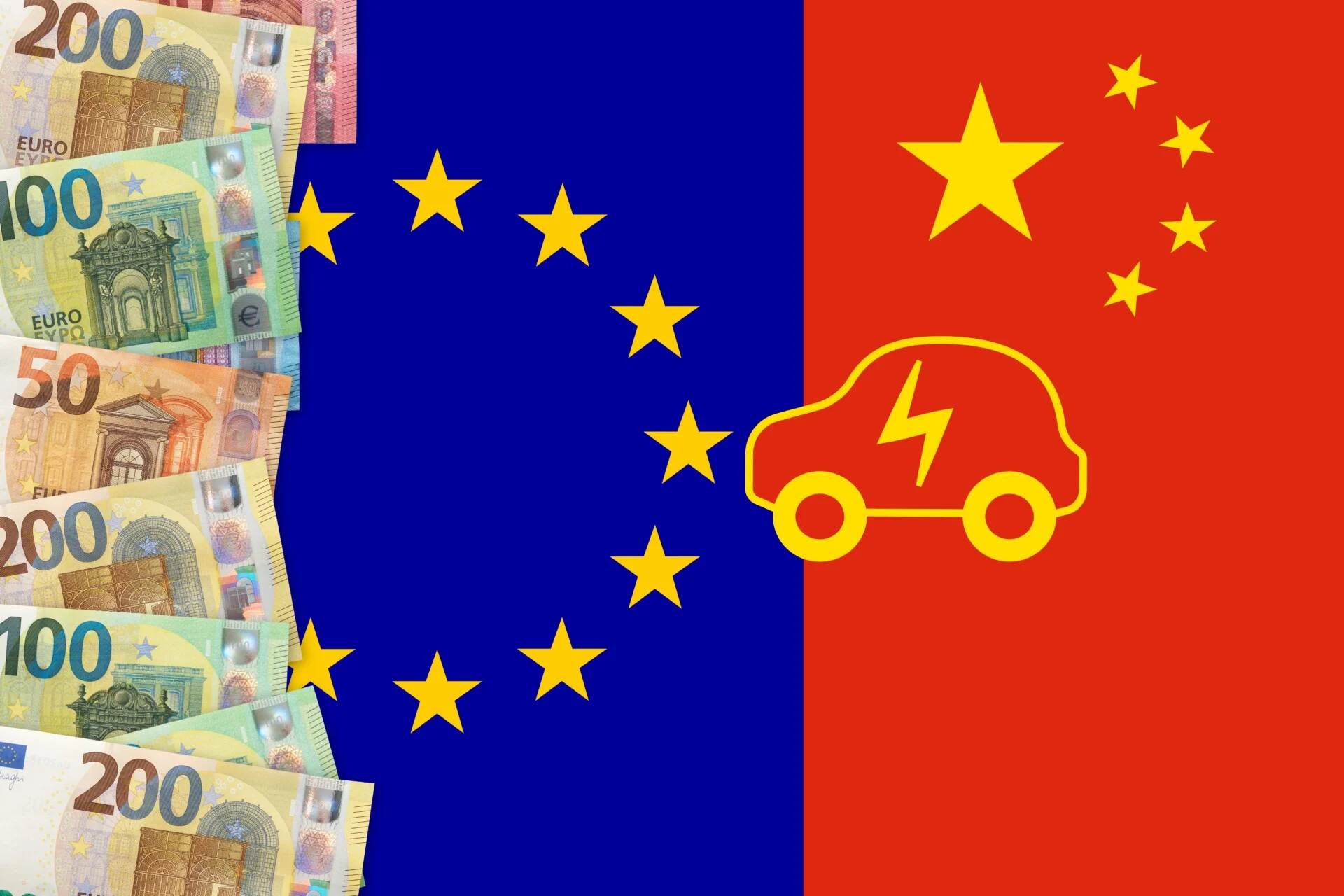
Despite the European Union’s new tariffs on Chinese electric vehicles (EVs), Chinese automakers remain well-positioned to expand in the European market. Recent revisions have slightly reduced the tariffs, with BYD seeing a cut to 17% from 17.4%, Geely to 19.3% from 19.9%, and SAIC from 37.6% to 36.3%.

Research by Rhodium suggests that tariffs would need to be as high as 50% to make Europe unattractive to Chinese EV exporters, and potentially even higher for vertically integrated manufacturers like BYD. At their current levels, these tariffs will not significantly hinder Chinese EV manufacturers from entering the European market. Joseph McCabe, president and CEO of AutoForecast Solutions, noted that while the tariffs introduce hurdles, they do not act as barriers, given the strong interconnections between European and Chinese original equipment manufacturers (OEMs).

In contrast to the EU, North America has taken a more aggressive stance, with the U.S. imposing a 100% tariff on Chinese EVs, followed by a similar move from Canada. McCabe highlighted that the EU is attempting to balance promoting domestic production without severely impacting its interconnected Chinese operations.

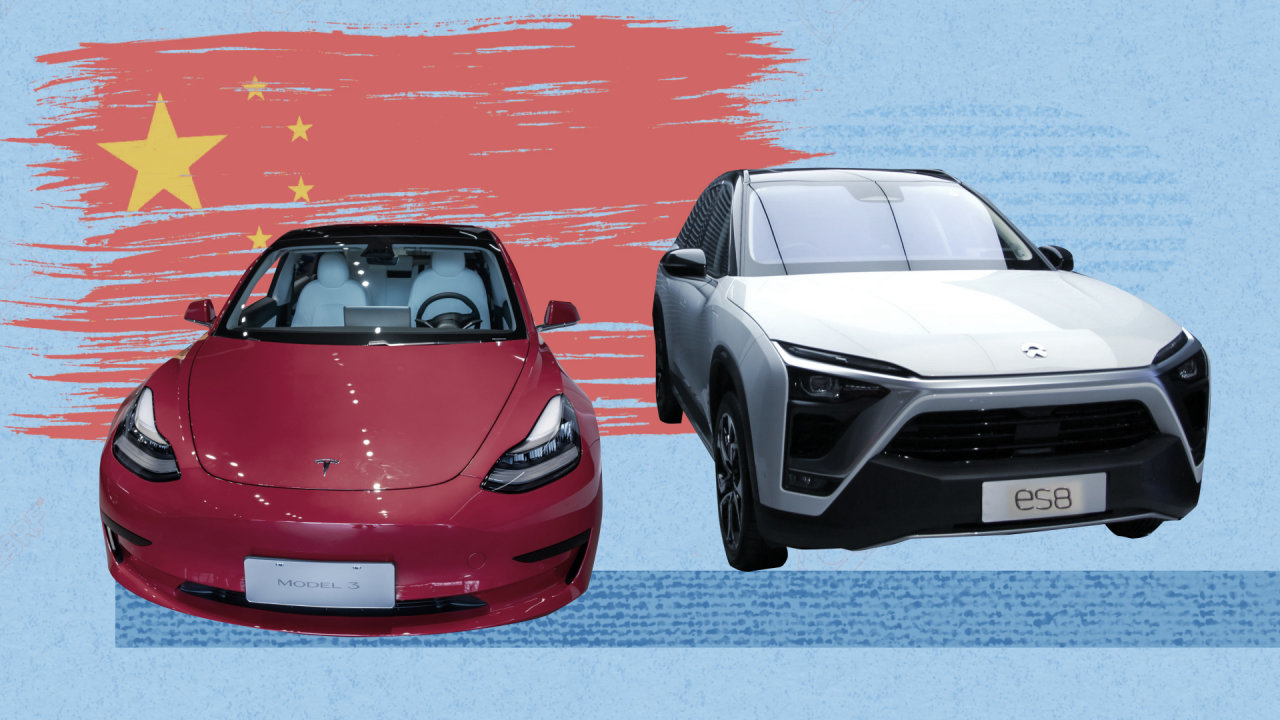
Chinese automakers, particularly BYD, are also targeting the European market with competitively priced models. In May, BYD announced its Dolphin model, priced at under $21,550—significantly cheaper than Tesla’s China-imported Model 3, which faces a 9% tariff and sells for $44,480 in the UK. Even with the EU’s 17% tariff, the Dolphin remains about $23,270 cheaper than Tesla’s Model 3.

To compete, Volkswagen plans to release a low-cost electric vehicle priced similarly to BYD’s offerings by 2027. However, McCabe noted that new, innovative EV players are often valued more for their potential than short-term financial performance, which is the focus for legacy manufacturers like Volkswagen.

William Ma, CIO of GROW Investment Group, pointed out that tariffs would need to rise to 300% to significantly impact Chinese EV makers, which is unlikely. The risk of retaliatory tariffs from China also complicates the EU’s approach, especially given ongoing tensions over perceived unfair subsidies for Chinese EV manufacturers.

Ma suggested that geopolitical factors and sanctions could persist for another year or two, making the situation difficult to resolve in the short term.


Tesla Rival Nio Slashes Price on New Onvo-Branded L60 SUV

Nio, Tesla’s Chinese rival, has announced a price cut for its new Onvo-branded L60 SUV, intensifying competition in the electric vehicle market. The L60, Onvo’s first car, is now priced at 149,900 Chinese yuan ($21,210) when purchased with a battery subscription starting at 599 yuan per month (approximately $1,000 annually). Alternatively, buyers can opt for a model with both the car and the battery for 206,900 yuan. Deliveries are set to begin on September 28.

Nio’s shares briefly surged by more than 3.5% in U.S. trading after the L60’s price drop announcement. When the Onvo brand was first introduced in May, the L60 was priced at 219,900 yuan, already lower than Tesla’s Model Y, which sells for 249,900 yuan in China.

Nio CEO William Li, in an exclusive interview, hinted at plans to launch Onvo in Europe next year, although no specific timeline was provided. Li emphasized that Onvo is intended to target a different market segment than Nio’s premium vehicles, and he expects no significant overlap in customer bases. Li also noted that Nio’s deliveries have improved since the Onvo brand’s announcement, signaling the new brand’s potential to capture a broader audience.

China’s electric vehicle industry is fiercely competitive, with several companies aiming to challenge Tesla’s market share. Geely-backed Zeekr is set to launch its first midsize electric SUV, the Zeekr 7X, priced at 239,900 yuan, while Xpeng recently introduced its mass-market Mona brand, with the M03 electric coupe starting at 119,800 yuan. Tesla’s cheapest offering in China, the Model 3, costs 231,900 yuan, even after an April price cut.

Chinese electric car manufacturers have increasingly set their sights on expanding overseas, particularly in Europe. However, the European Union is on the verge of increasing tariffs on Chinese-made battery electric vehicles, which could further challenge these automakers. Nio is cooperating with the EU’s investigation into Chinese EV subsidies, and its vehicles will face a 20.8% duty, higher than the tariffs imposed on competitors Geely and BYD.

Nio plans to begin deliveries in the United Arab Emirates during the fourth quarter, according to Li, who shared these details during a recent earnings call. He acknowledged the challenges posed by Europe’s tariffs but noted that Nio is still committed to its existing markets and continues to build infrastructure, such as power swap stations, in Europe. Nio also opened its “Nio House” in Amsterdam earlier this year.

Li expects monthly deliveries of the L60 to reach 10,000 by December, with a goal of 20,000 per month by 2024. The company anticipates a 15% vehicle margin on the Onvo-branded cars and aims to have over 200 stores in China by the end of this year, with more than 100 already open. Additionally, Nio is preparing to launch its even lower-priced Firefly brand internationally next year.


EU Avoids ‘Terrible Prophecies’ but Faces Trade Challenges with China, Says Gentiloni

The European Union has successfully avoided the dire economic predictions that loomed in recent years but must now navigate challenges such as Russia’s war in Ukraine and a complicated trade relationship with China, said Paolo Gentiloni, the outgoing European Commissioner for Economy, on Saturday.

Gentiloni pointed out that while the EU’s economy has seen slow growth, it has not experienced the deep recessions, blackouts, or divisions that many had feared in the last few years, especially in the face of Russia’s invasion of Ukraine. “The economy is growing, slowly, but growing,” he said during an interview at the Ambrosetti Forum in Cernobbio, Italy. However, he acknowledged that Europe needs to enhance its competitiveness and make significant strides in areas such as defense and the Capital Markets Union if it is to thrive in the changing global landscape.

The European economy, still recovering from the COVID-19 pandemic, has grappled with a cost-of-living crisis and persistent inflation, exacerbated by Russia’s February 2022 invasion of Ukraine. Despite these difficulties, the eurozone economy expanded in the first half of this year, with GDP growing by 0.3% in the second quarter compared to the first.

Looking ahead, Gentiloni highlighted two major issues the EU must tackle: its relationship with China and the ongoing war in Ukraine. The EU’s decision in June to impose higher tariffs on Chinese electric vehicles—due to the bloc’s belief that they benefit from unfair subsidies—has led to heightened tensions with Beijing. He emphasized that while the EU must remain vigilant in trade relations with China, it is crucial not to abandon international trade entirely.

Gentiloni also downplayed concerns about the potential economic impact of Donald Trump’s possible return to the White House in 2024, noting that while such an outcome would not be welcomed in Brussels, it would not drastically alter U.S.-EU economic relations.

As Gentiloni prepares to step down from his role, Europe faces rising political challenges. The European Commission, led by Ursula von der Leyen, is contending with increasing support for far-right factions, especially as politicians like Hungary’s Prime Minister Viktor Orbán question whether the current Commission is equipped to address Europe’s future challenges.