Yazılar

Tesla’s Sales Rise in Parts of Europe but Pressure Mounts From Rivals

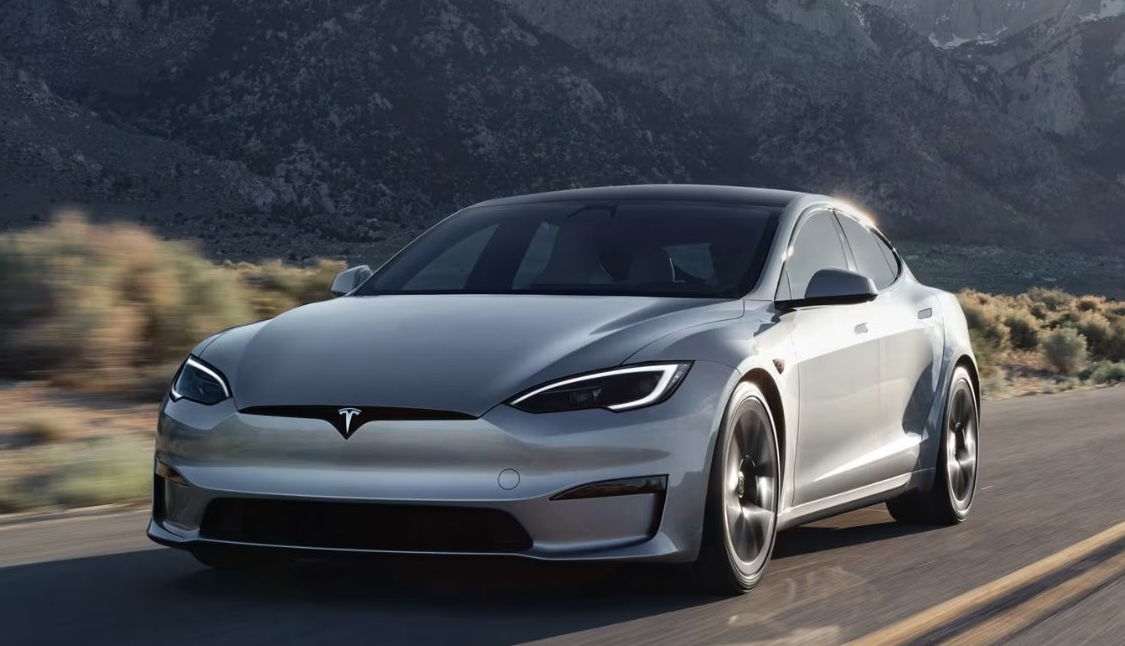
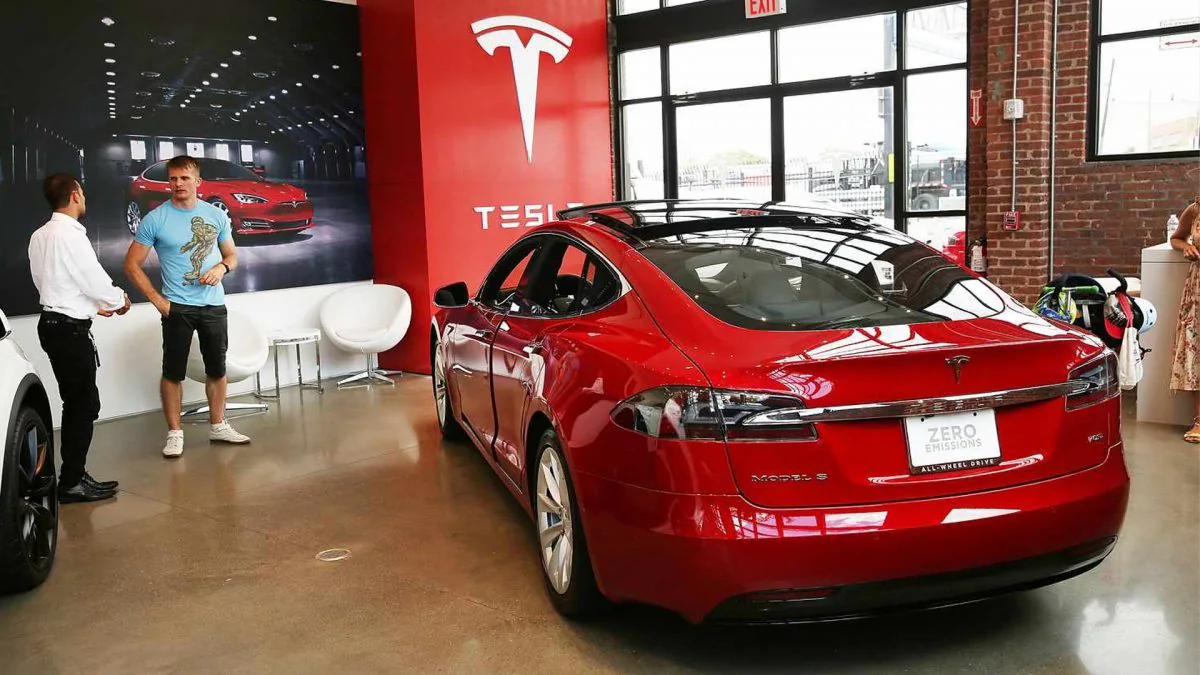
Tesla recorded a modest rebound in several European markets in September, buoyed by sales of its updated Model Y, but analysts warn the U.S. automaker faces mounting challenges from both European and Chinese competitors amid an ageing product lineup.

According to local industry data released Wednesday, Tesla’s sales rose in France, Denmark, Norway, and Spain, with the Model Y emerging as Denmark’s best-selling vehicle. However, new car registrations fell in Sweden and the Netherlands—the latter marking its ninth consecutive monthly decline.

Despite recent gains, Tesla’s broader European performance remains weak. Between January and August, Tesla’s sales fell 42.9% year-on-year in the European Union and 32.6% across Europe overall, even as the region’s total EV sales jumped 24.8%.

Matthias Schmidt of Schmidt Automotive Research described the September uptick as “a bottoming out of the downward trend rather than any real signs of an expected uplift.” He said an affordable Model Y variant, expected in 2026, could help, but Tesla’s prospects remain “tough in a more competitive market environment.”

Once dominant in Europe, Tesla now faces an influx of new EVs from Volkswagen, BMW, Renault, and Chinese players like BYD, which outsold Tesla in the EU in August for the second time this year.

The automaker’s reputation has also been affected by political backlash against CEO Elon Musk, whose support for Donald Trump’s re-election campaign and European far-right parties has alienated some consumers.

Andy Palmer, chairman of Electric Vehicles UK, said Tesla is still “a big fish, but the pond is now full of serious competitors.” Unless it refreshes its range soon, he warned, “it will keep losing market share.”

Performance varied sharply across Europe in September:

  • France: +2.74% year-on-year

  • Denmark: +20.5%, with the Model Y leading sales

  • Norway: +14.7%, with Model Y and Model 3 ranking top two

  • Spain: +3.4%, boosted by a 60% surge in Model Y registrations

  • Sweden: –64% year-on-year, though higher than August levels

  • Netherlands: –48%

Analyst Andy Leyland of SC Insights said Tesla’s biggest challenge lies ahead: “Chinese automakers are rapidly building distribution networks in Germany, the UK, and France. It will be critical to see whether Tesla can still compete.”

Indian Court Rejects X’s Challenge to Modi Government’s Content Removal Rules

An Indian court has dismissed X’s legal bid to overturn the country’s new content removal system, ruling that the social media platform—owned by Elon Musk—must comply with local laws despite its claims that the mechanism amounted to censorship.

The case centered on Prime Minister Narendra Modi’s tightened internet regulations introduced in 2023. The rules allow a wider range of government officials to issue takedown orders directly through a centralized government website launched in October.

X had argued the measures were unconstitutional and gave “every Tom, Dick, and Harry” the power to censor speech online. But Justice M. Nagaprasanna of Karnataka’s high court rejected the claim, stating: “Every platform that seeks to operate within the jurisdiction of our nation must accept that liberty is yoked with responsibility.”

The ruling follows months of legal battles between X and government lawyers. India’s government defended the system as a way to combat unlawful online content, misinformation, and material it says spreads hate and division, while ensuring greater accountability for platforms.

Officials also noted that other tech giants, including Meta and Google, support the government’s approach.

X, which has repeatedly clashed with authorities worldwide over compliance demands, now faces the possibility of appealing the decision to India’s Supreme Court.

Emails reveal regulators were alarmed and confused by Musk’s Bay Area “robotaxi” claims

Tesla’s promised “robotaxi” rollout in the San Francisco Bay Area wasn’t driverless at all—and regulators were blindsided. Emails obtained via public-records requests show California and U.S. officials were alarmed after Elon Musk publicly suggested Tesla was “getting the regulatory permission to launch,” even though the company had not applied for the permits required to test or operate autonomous taxis in California. Tesla’s actual plan was invite-only rides in human-driven vehicles under a limousine-style permit that doesn’t allow on-demand robotaxis.

Officials at the California Public Utilities Commission and NHTSA pressed Tesla to clarify public statements to avoid “public confusion.” Tesla’s policy staff told the state it would inform customers “when available” and generally doesn’t respond to press, while Musk continued to tout robotaxi scale on X and to blur the term with Tesla’s “Full Self-Driving” driver-assist feature that still requires an attentive human driver.

The regulatory skepticism comes as Tesla pushes for rapid robotaxi expansion and seeks to test in permissive states such as Arizona and Nevada, where approvals for autonomous testing with safety drivers are advancing—still far from fully driverless commercial operations. California authorities reiterate that separate DMV and CPUC permits are prerequisites for any paid driverless service in the state, and Tesla hasn’t obtained them.

Beyond the Bay Area episode, the gap between marketing and regulatory filings will matter more as investors weigh Musk’s ambitious timelines against legal guardrails. Agencies say Tesla must “properly and accurately” describe services—clearly distinguishing human-driven pilots from autonomy—if it wants to avoid enforcement headaches as it scales.