Yazılar

Emails reveal regulators were alarmed and confused by Musk’s Bay Area “robotaxi” claims

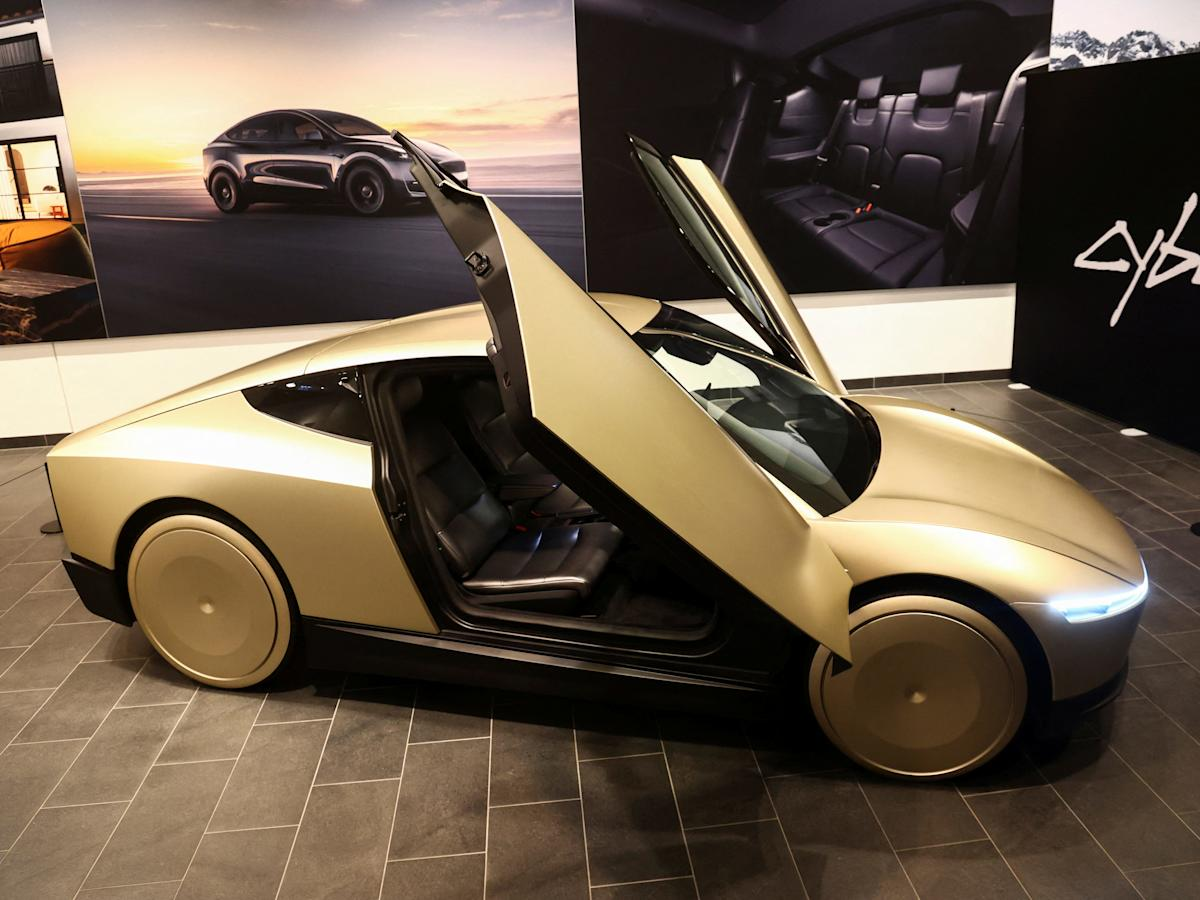
Tesla’s promised “robotaxi” rollout in the San Francisco Bay Area wasn’t driverless at all—and regulators were blindsided. Emails obtained via public-records requests show California and U.S. officials were alarmed after Elon Musk publicly suggested Tesla was “getting the regulatory permission to launch,” even though the company had not applied for the permits required to test or operate autonomous taxis in California. Tesla’s actual plan was invite-only rides in human-driven vehicles under a limousine-style permit that doesn’t allow on-demand robotaxis.

Officials at the California Public Utilities Commission and NHTSA pressed Tesla to clarify public statements to avoid “public confusion.” Tesla’s policy staff told the state it would inform customers “when available” and generally doesn’t respond to press, while Musk continued to tout robotaxi scale on X and to blur the term with Tesla’s “Full Self-Driving” driver-assist feature that still requires an attentive human driver.

The regulatory skepticism comes as Tesla pushes for rapid robotaxi expansion and seeks to test in permissive states such as Arizona and Nevada, where approvals for autonomous testing with safety drivers are advancing—still far from fully driverless commercial operations. California authorities reiterate that separate DMV and CPUC permits are prerequisites for any paid driverless service in the state, and Tesla hasn’t obtained them.

Beyond the Bay Area episode, the gap between marketing and regulatory filings will matter more as investors weigh Musk’s ambitious timelines against legal guardrails. Agencies say Tesla must “properly and accurately” describe services—clearly distinguishing human-driven pilots from autonomy—if it wants to avoid enforcement headaches as it scales.

Tesla gains approval to test robotaxis in Arizona

Tesla has secured approval from the Arizona Department of Transportation to begin testing autonomous robotaxi vehicles in the Phoenix metro area, the agency confirmed Friday. The trials will initially involve cars equipped with safety drivers to monitor operations.

Tesla applied for the permit in June as part of CEO Elon Musk’s plan to launch an autonomous ride-hailing service that could reach half of the U.S. population by the end of the year. While no start date or trial duration has been disclosed, Arizona’s approval marks a significant expansion of Tesla’s robotaxi testing beyond its limited pilot in Austin, Texas, launched earlier this year.

In Austin, Tesla trialed about a dozen vehicles under strict conditions, including a safety monitor in the front passenger seat and a select group of passengers. The Arizona expansion puts Tesla into one of the nation’s most competitive self-driving markets, where Waymo and Cruise have already been testing robotaxi services.

The approval reflects growing state-level support for autonomous vehicle experimentation, even as federal regulators continue to scrutinize safety and data transparency. For Tesla, success in Arizona could provide critical validation for its long-promised robotaxi ambitions.

Musk denies $10B fundraising at xAI after CNBC report

Elon Musk pushed back on Friday against a CNBC report that his AI startup xAI was raising $10 billion at a post-money valuation of $200 billion. “Fake news. xAI is not raising any capital right now,” Musk wrote on X, dismissing claims the firm was in talks with investors.

CNBC had reported that the funds would be used to build massive data centers with Nvidia and AMD GPUs and recruit top AI talent as xAI ramps up to compete with OpenAI’s ChatGPT and Anthropic’s Claude. The company operates the Colossus supercomputer cluster in Memphis, Tennessee, which Musk has described as the world’s largest.

Investor interest in AI firms remains strong despite questions over the sustainability of big tech spending. If true, the $200B valuation would have more than doubled xAI’s reported $75B valuation in July and placed it among the world’s most valuable private companies—behind OpenAI, ByteDance, and SpaceX, but ahead of Anthropic, which recently raised funds at a $183B valuation.

Musk’s denial comes amid conflicting signals. In June, Morgan Stanley reported that xAI had already raised $5B in debt financing alongside a $5B strategic equity investment to expand its infrastructure. While Musk insists no new round is underway, xAI continues to scale aggressively, seeking to establish itself as a rival to OpenAI, which may soon be valued at $500B in a planned stock sale.