
Yazılar

Australia’s Teen Social Media Ban Faces a New Wildcard: Teenagers

Australia is preparing to implement the world’s first national social media ban for users under 16, but new challenges have emerged from the very group the law aims to protect: teenagers themselves.

Thirteen-year-old Jasmine Elkin from Perth recently tested five different photo-based age verification software products, alongside about 30 other students. While impressed by some systems’ ability to estimate age to the exact month, Elkin doubts the ban’s effectiveness, noting that young users could easily bypass it by asking older siblings to take verification photos.

This concern reflects a broader worry shared by child protection advocates, tech companies, and trial organizers: the technology works, but young people are highly skilled at finding workarounds.

Starting in December, major social media platforms such as Facebook, Instagram, Snapchat, and TikTok will face fines up to A$49.5 million ($32.17 million) if they fail to take “reasonable steps” to prevent users under 16 from accessing their services. Currently, these platforms require users to be at least 13 to create accounts.

How well Australia’s ban succeeds may influence other countries. Britain, France, and Singapore are pursuing similar restrictions, and several U.S. states, including Florida, are challenging free speech laws to impose age limits. Elon Musk, owner of X (formerly Twitter), has criticized the Australian law and regulatory authority, calling it a “censorship commissar.”

Trial organizers say nearly 60 products were considered, with about a dozen tested by teenagers in May. The teenagers demonstrated fast tech skills, leading organizers to increase the number of products tested and shorten testing times. The software mainly used selfies to estimate age, as other methods—such as credit card checks—were impractical for teens, and hand-gesture recognition gave imprecise age estimates near the 16-year cutoff.

The trial’s detailed results will be presented on June 20, with a full report to the government expected by the end of July. This will inform the eSafety Commissioner’s recommendations. The government has cited risks from cyberbullying, harmful body image content, and misogyny as reasons for the law.

Despite the technology’s promise, uncertainties remain about how effective it needs to be and whether it can keep pace with teenagers’ ingenuity. Some trial participants said they would find ways around blocks, while others accepted it as a step toward safer online environments.

Communications Minister Anika Wells’s spokesperson emphasized that age restrictions are “not the end-all be-all” but a positive move to protect young people online.
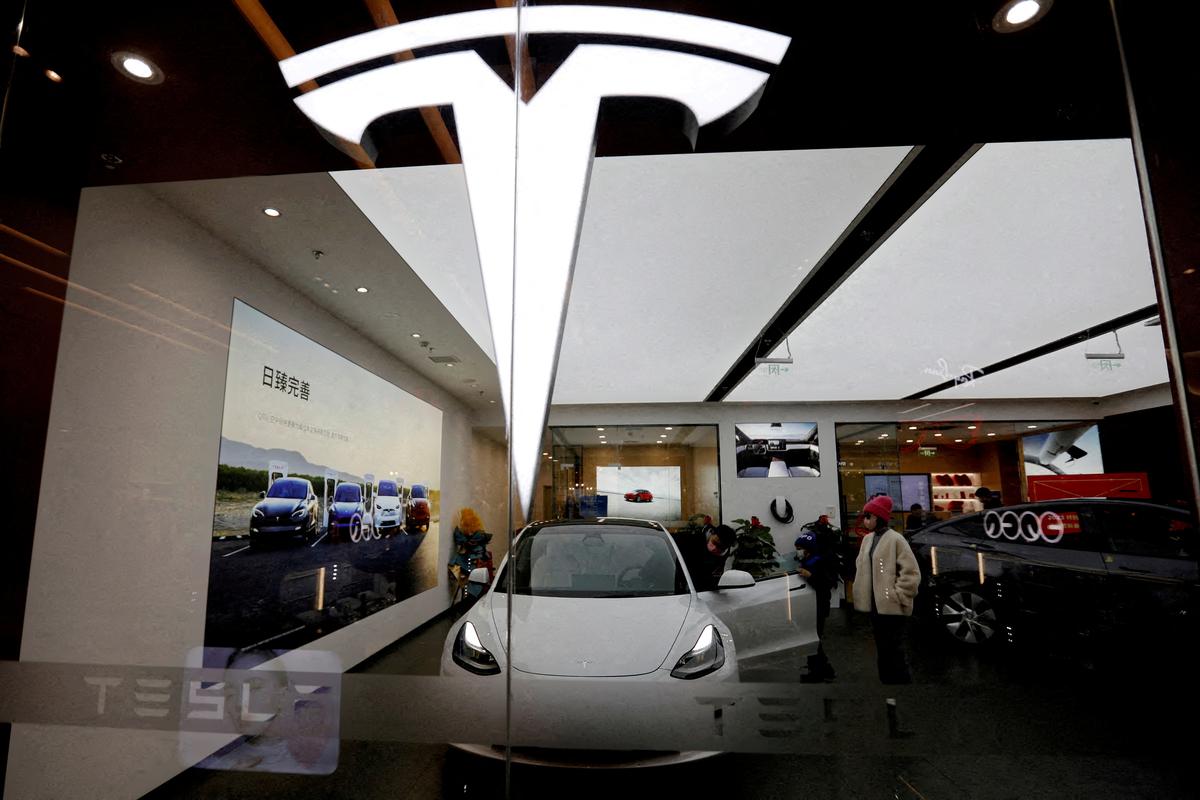
Tesla Asked by Texas Democratic Lawmakers to Delay Robotaxi Launch

A group of Democratic lawmakers from the Austin area has asked Tesla to postpone the launch of its robotaxi service until September, when a new autonomous-driving law is expected to take effect. The letter, sent on Wednesday, argues that delaying the rollout is in the best interest of public safety and would help build trust in Tesla’s operations.

Tesla CEO Elon Musk had indicated the robotaxi launch could happen as early as this Sunday. However, if Tesla moves forward with the launch this month despite the lawmakers’ request, they demand detailed information on how the company will comply with the new state law.

Last year, Musk shifted Tesla’s focus toward autonomous-driving technology, moving away from rapid growth in electric vehicle sales. Tesla has not commented on the lawmakers’ letter.

The influence of the request is uncertain in Texas, a state governed by Republicans holding majorities in the legislature.

Musk announced in January that Tesla planned to offer autonomous ride-hailing in Austin starting in June. Investors and analysts have closely monitored this rollout, seeing robotaxis and humanoid robots as critical to Tesla’s future market value.

Currently, Texas law permits autonomous vehicles to operate statewide if they meet registration and insurance requirements. The new legislation, passed last month but not yet signed by the governor, will require companies to get authorization to operate and allows authorities to revoke permits if driverless vehicles endanger public safety. It also mandates providing guidance to first responders on how to handle these vehicles in emergencies.

Tesla has provided few details on the launch, stating it will start with 10 to 20 Model Y vehicles operating only in parts of Austin deemed safest. Information about passengers, pricing, operational zones, and remote monitoring remains undisclosed.

Elon Musk’s xAI Set to Raise $5 Billion Debt Despite Tepid Investor Interest

Elon Musk’s AI startup, xAI, is poised to close a $5 billion debt financing led by Morgan Stanley, although investor demand has been notably modest, according to sources familiar with the matter. The debt package includes a floating-rate term loan, a fixed-rate loan, and secured bonds, with allocations scheduled for Wednesday.

The floating-rate loan carries an interest rate of 700 basis points above the Secured Overnight Financing Rate, while the fixed-rate loan and secured notes offer yields near 12%, significantly higher than the current 7.6% average yield for high-yield bonds. This elevated cost reflects the risks investors associate with xAI’s unrated debt and lack of profitability to date.

Several potential investors declined to participate, citing concerns over xAI’s financial transparency and Musk’s previous financing history. Notably, Musk’s 2022 $44 billion acquisition of Twitter involved $13 billion in loans that lenders had to retain on their balance sheets for two years due to poor secondary market demand.

While the debt issuance was fully subscribed, total orders amounted to roughly 1.5 times the amount offered, below the typical 2.5 to 3 times seen in similar junk bond offerings. Unlike Musk’s Twitter debt deal—where banks guaranteed the sale and committed capital—this transaction is structured as a “best efforts” deal with no such guarantees from Morgan Stanley.

Beyond debt, xAI is also reportedly pursuing a $20 billion equity raise that could value the company above $120 billion, with some investors estimating up to $200 billion.