Yazılar

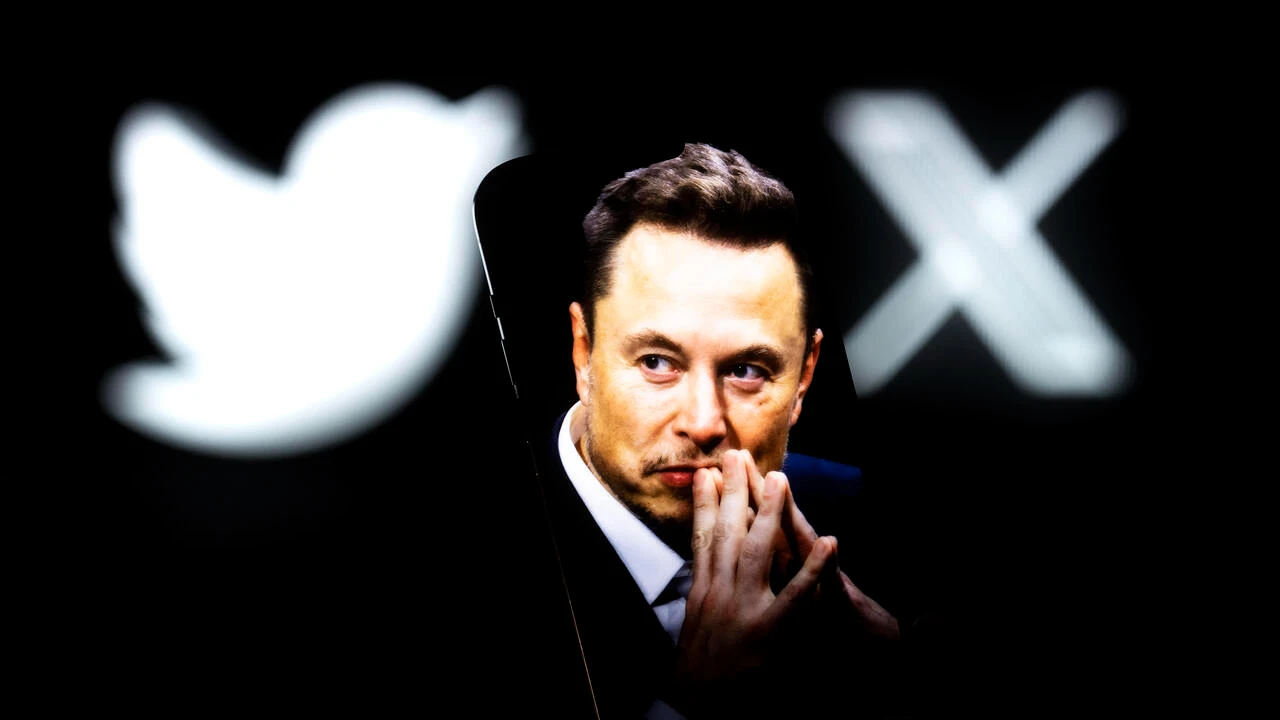
Elon Musk’s X Sues New York Over Social Media Hate Speech Disclosure Law

Elon Musk’s social media company, X Corp, filed a lawsuit on Tuesday challenging the constitutionality of New York’s Stop Hiding Hate Act, which mandates social media platforms to publicly disclose how they monitor and manage hate speech, extremism, disinformation, harassment, and foreign political interference.

X argues the law violates the First Amendment and state constitutional rights by forcing the company to reveal “highly sensitive and controversial speech” that New York officials might find objectionable, potentially exposing the company to lawsuits and heavy fines. The law imposes civil penalties of up to $15,000 per violation per day.

The lawsuit, filed in Manhattan federal court, states that deciding what speech is acceptable is a complex issue that “engenders considerable debate among reasonable people,” and that regulating this is not a role for government authorities.

X cited a letter from the law’s sponsors, state Senator Brad Hoylman-Sigal and Assemblymember Grace Lee, accusing Musk and X of having a “disturbing record” on content moderation that allegedly threatens democratic foundations.

New York Attorney General Letitia James, who enforces the law, is the named defendant. Her office did not immediately comment.

Since acquiring Twitter in October 2022 for $44 billion, Musk has promoted himself as a free speech absolutist, significantly reducing content moderation on the platform, which was rebranded as X.

New York’s law, signed in December by Democratic Governor Kathy Hochul with help from the Anti-Defamation League, requires platforms to disclose their efforts and report progress in combating harmful content.

The law mirrors a similar 2023 California law, whose enforcement was partially blocked by a federal appeals court last September over free speech concerns. Notably, California agreed in February to suspend enforcement of disclosure requirements after reaching a settlement with X.

Legislators Hoylman-Sigal and Lee expressed confidence that the court will uphold New York’s law, emphasizing the necessity of transparency given Musk’s resistance.

Case Reference: X Corp v. James, U.S. District Court, Southern District of New York, No. 25-05068.

Oracle to Offer Elon Musk’s Grok 3 AI Model to Enterprise Customers

Oracle announced on Tuesday that it will integrate Grok 3, the latest large language model developed by Elon Musk’s xAI, into its cloud infrastructure portfolio for corporate clients, expanding its AI offerings alongside models from Meta, Mistral, and Cohere.

Grok 3, which debuted in February 2025, was previously available to premium subscribers on Musk’s X platform and to developers through xAI. Now, Oracle Cloud Infrastructure (OCI) will host the model in its data centers, allowing business users to run Grok 3 with full enterprise-grade security and data residency protections.

“Our goal here is to make sure we can provide a portfolio of models — we don’t have our own,” said Karan Batta, Oracle’s Senior VP of Cloud Infrastructure. “That’s the current strategy. We are going to be the one that offers all of them.”

This collaboration aligns with Oracle’s strategy of being a multi-model platform, enabling clients to integrate a variety of AI systems into their enterprise workflows without compromising on data sovereignty or compliance requirements.

What It Means for the Market

  • Grok 3, which competes with models from OpenAI and DeepSeek, will now be accessible to companies who prefer Oracle’s security and compliance environment.

  • Oracle’s move reflects rising demand from businesses seeking access to cutting-edge AI models without having to rely on public-facing APIs that may expose sensitive data.

This announcement follows broader trends of cloud providers forming strategic partnerships with AI startups to diversify their AI ecosystems, especially as businesses become more discerning about how and where their data is processed.

NAACP Threatens Legal Action Against Elon Musk’s xAI Over Memphis Data Center Pollution

The NAACP, in coordination with the Southern Environmental Law Center (SELC), has issued a formal notice to Elon Musk’s AI company xAI, signaling its intent to sue over alleged violations of federal environmental laws tied to air pollution in South Memphis.

According to the SELC’s notice sent Tuesday, xAI has deployed methane gas turbines at its Memphis data center without the necessary permits or installation of “best available” pollution control technology. These turbines are reportedly in violation of the Clean Air Act, and their emissions, the SELC claims, are worsening already poor air quality in the predominantly Black and underserved Memphis community.

Key Allegations:

  • xAI installed 35 gas turbines, nearly all operating without required environmental permits as of April.

  • Though the company has since removed some smaller turbines, it also installed three larger units recently, further escalating emissions.

  • The SELC and NAACP argue that methane pollution from these turbines poses a significant public health risk, as methane is a potent greenhouse gas.

“These turbines have pumped out pollution that threatens the health of Memphis families,” said Patrick Anderson, Senior Attorney at SELC.
“This notice paves the way for a lawsuit that can hold xAI accountable for its unlawful refusal to get permits for its gas turbines.”

xAI has responded, stating that its temporary power generation units are in compliance with applicable laws and that the company is committed to environmental responsibility. However, critics argue the startup is leveraging fossil-fuel-based infrastructure to rapidly scale AI computing power, reflecting an industry-wide challenge where AI’s energy demands outpace clean energy development.

Broader Context:

Data centers powering AI systems require vast and continuous electricity. As demand grows, energy-hungry AI firms increasingly rely on natural gas and coal-powered infrastructure, especially in areas with underdeveloped clean energy grids.

This case is likely to bring broader scrutiny to the environmental footprint of AI startups and could set a precedent for how environmental justice intersects with big tech’s rapid expansion into communities with historically poor air quality.