Yazılar

U.S. Inflation Slows to Below 3% as Consumer Prices Rise Moderately

In July, U.S. consumer prices experienced a moderate rise, with the annual inflation rate dropping to below 3% for the first time in over three years. This development, reported by the Labor Department, signals a continuation of the downward trend in inflation, providing potential room for the Federal Reserve to consider an interest rate cut in its upcoming meeting. The report marks the third consecutive month of tame inflation readings, aligning with evidence that consumers are becoming more price-sensitive, opting for bargains and lower-priced alternatives.
Despite the easing inflation, the cost of rent saw a notable increase in July, keeping the overall inflation rate above the Fed’s 2% target. Economists believe that while a rate cut is likely, it may not be as aggressive as some have speculated unless there is a significant downturn in the labor market. The recent rise in the unemployment rate to 4.3% adds complexity to the Fed’s decision-making process, as it suggests a mixed economic environment.

The Consumer Price Index (CPI) increased by 0.2% in July, matching economists’ expectations. The shelter cost, including rent, was a major driver of this increase, accounting for nearly 90% of the CPI’s rise. Food prices also continued to climb, with notable increases in items like eggs and meats, which could influence voter sentiment ahead of the November presidential election.

Over the past 12 months, the CPI rose by 2.9%, marking the first time it has fallen below 3% since March 2021. This slowdown in inflation is largely attributed to higher borrowing costs that have cooled consumer demand. However, the core CPI, which excludes volatile food and energy prices, remains sticky, particularly due to rising rental costs, which pose a challenge to achieving the Fed’s inflation goals.

Market reactions to the inflation data were mixed, with Wall Street stocks showing varied performance and U.S. Treasury yields dipping slightly. Financial markets have increased the likelihood of a 25-basis-point rate cut in September but remain skeptical of a larger 50-basis-point reduction.

Overall, while inflation is trending downward, persistent issues like rising rent and mixed economic signals suggest that the path to reaching the Fed’s inflation target will be gradual and cautious.

 

European Stocks Gain Amid Economic Data, UK Wage Growth Hits Two-Year Low

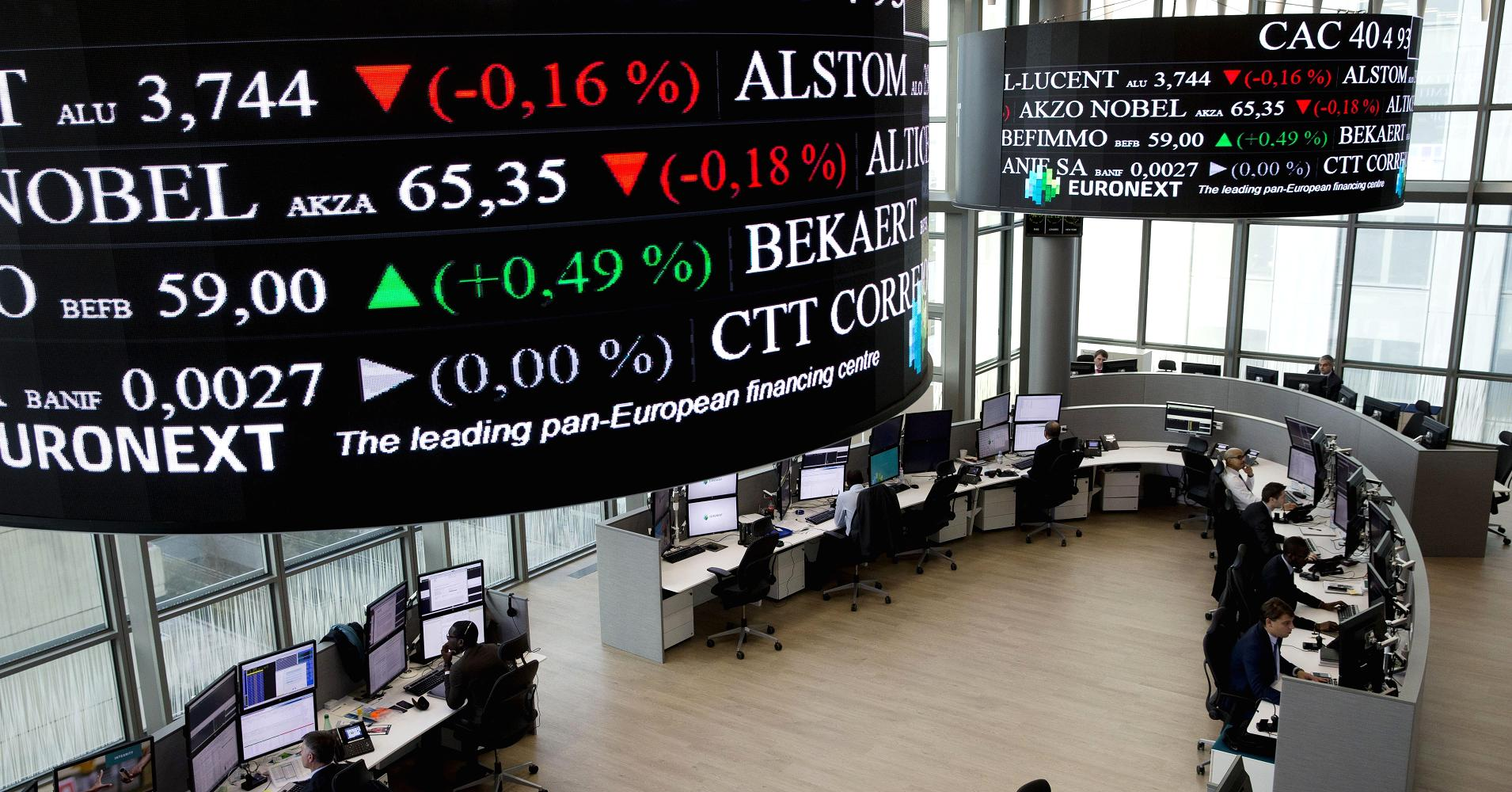
European markets closed higher on Tuesday as investors processed new economic data following a period of market volatility. The pan-European Stoxx 600 index saw a 0.5% increase, with most major stock exchanges and sectors showing gains. Health care stocks led the charge with a 1% rise, while mining stocks dipped by 0.5%. This positive movement came after a mixed performance on Monday, when the focus was largely on upcoming inflation reports from the U.S. and the U.K.

In the U.K., the latest wage data from the Office for National Statistics revealed that pay, excluding bonuses, grew by 5.4% year-on-year between April and June, marking the slowest growth rate in two years. Despite the slowdown in wage growth, the unemployment rate fell to 4.2% from 4.4%, defying economists’ expectations of an increase to 4.5%.

Jack Kennedy, a senior economist at Indeed, noted that the U.K. labor market remains “fairly tight,” with wage pressures easing only slightly. This gradual softening could limit the extent of monetary easing the Bank of England can implement this year. The central bank recently cut interest rates by 25 basis points, bringing the key rate to 5%. As inflation data for July is set to be released, economists anticipate a slight uptick in the headline rate to 2.3%, following two months at 2%. Markets are pricing in the likelihood of further rate cuts totaling 50 basis points before the end of the year.

Following the labor market data, the British pound strengthened, rising 0.4% against the U.S. dollar to $1.2823. Globally, investors are also closely watching U.S. inflation data, seeking insights into the health of the world’s largest economy. On Tuesday, the U.S. producer price index, which measures wholesale prices, showed a modest 0.1% increase for July, falling short of expectations. This lower-than-expected rise could pave the way for the Federal Reserve to consider lowering interest rates.

U.S. stock markets responded positively to the news, with attention now turning to the consumer price index report due on Wednesday, which is expected to provide a clearer picture of inflation trends and future monetary policy actions.


Record Low Inflation Expectations Amidst Mixed Economic Signals

In July, consumer confidence regarding inflation showed a significant shift, as the New York Federal Reserve’s monthly Survey of Consumer Expectations reported a record low in the three-year inflation outlook. According to the survey, consumers now anticipate inflation to fall to 2.3% within the next three years, marking a substantial decrease of 0.6 percentage points from June and setting the lowest expectation since the survey’s inception in June 2013.

This dip in long-term inflation expectations comes despite consumers foreseeing continued elevated inflation in the short term. The survey’s results indicate that while inflation is expected to remain higher over the next year, it is projected to recede over the following years, easing concerns about persistent high inflation.

The improved three-year outlook is a critical factor for both policymakers and investors, who closely monitor inflation expectations to gauge future economic conditions. These expectations influence consumer and business behaviors, which in turn can affect actual inflation outcomes. The Federal Reserve, which has been aggressive in its rate-hiking cycle to combat inflation, may find these results encouraging as it considers its next steps. The market has already priced in the possibility of at least a quarter-point rate cut in September, with some anticipating a full percentage point reduction by year-end.

However, while the medium-term outlook is more optimistic, expectations for inflation over the next one and five years remain unchanged at 3% and 2.8%, respectively. This suggests that while consumers are hopeful for a decline in inflation, they are still cautious about the immediate future.

There was further positive news in the survey regarding specific consumer goods. Expectations for the increase in gas prices over the next year dropped to 3.5%, down 0.8 percentage points from June, while the expected rise in food prices also edged down slightly to 4.7%. Additionally, household spending growth expectations fell to 4.9%, the lowest level since April 2021, indicating a potential cooling of demand pressures that have contributed to inflation.

Conversely, the survey highlighted concerns in other areas. Expectations for cost increases in medical care, college education, and rent have all risen. Notably, the anticipated increase in college costs jumped by 1.9 percentage points to 7.2%, while rent, a key component of the inflation basket, is expected to rise by 7.1%, up 0.6 percentage points from June. These rising costs in essential sectors could complicate the overall inflation picture and pose challenges for the Federal Reserve’s efforts to bring inflation down to its 2% target.

Employment expectations also reflected a mixed economic sentiment. Despite a rise in the unemployment rate, consumers felt more secure in their jobs, with the perceived probability of losing one’s job falling to 14.3%, a slight improvement. Furthermore, the expectation of voluntarily leaving a job, often seen as a sign of confidence in the labor market, increased to 20.7%, the highest since February 2023.

Overall, while the record low in the three-year inflation outlook is a positive sign, the mixed signals from other economic indicators suggest that the path to stable, low inflation may still face significant hurdles.