Yazılar

U.S. Jobless Claims Drop, Easing Recession Fears

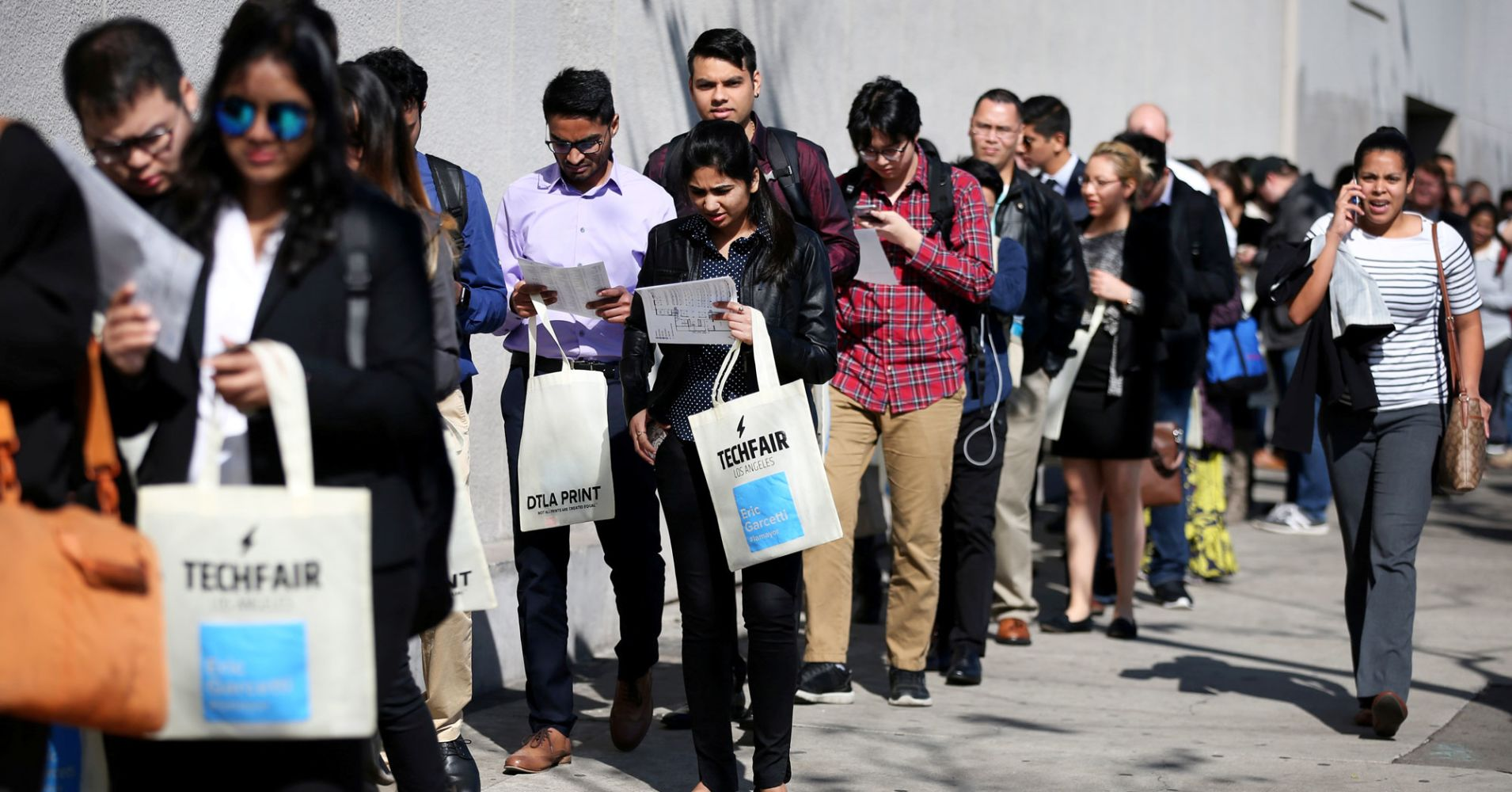
The number of Americans filing for unemployment benefits dropped more than expected last week, calming fears of a rapidly deteriorating labor market and reinforcing a narrative of gradual economic softening. The Labor Department reported a decrease of 17,000 claims, bringing the total to a seasonally adjusted 233,000 for the week ending August 3rd, marking the largest decline in 11 months. Economists had anticipated 240,000 claims, making the actual figure a welcome surprise after last week’s sharp increase.

This decline is likely influenced by the waning impact of temporary motor vehicle plant shutdowns and Hurricane Beryl, which had previously inflated the jobless claims figures. The revised figure for the prior week was adjusted slightly upward to 250,000.

The positive data bolstered U.S. stock markets, with major indexes rising and benchmark Treasury yields climbing back above 4%. The U.S. dollar also strengthened against a basket of currencies, reflecting renewed investor confidence. Marc Chandler, Chief Market Strategist at Bannockburn Global Forex, remarked that concerns of an imminent recession now seem “wide of the mark.”

Investors reacted by reducing bets that the Federal Reserve would implement a significant 50-basis-point rate cut next month, with the probability falling to 58% from 70% prior to the report. Despite a recent upward trend in claims since June, partly due to auto plant retooling and weather disruptions, layoffs remain low. This suggests that the labor market is stabilizing, albeit at a slower pace, as the economy adjusts to the Federal Reserve’s rate hikes in 2022 and 2023.

The Fed, which left its benchmark interest rate unchanged at its last meeting, is closely monitoring the labor market for signs of stress. While the recent nonfarm payrolls report indicated a slowdown in job gains and a rise in unemployment to 4.3%, the overall labor force growth has kept pace with the gradual rise in jobless claims, maintaining stability.

In other economic news, U.S. wholesale inventories increased in June, contributing positively to economic growth in the second quarter. The Commerce Department reported a 0.2% rise in inventories, in line with expectations, and a continuation of growth after a similar increase in May. This, coupled with a slight decrease in the U.S. 30-year mortgage rate to 6.47%, provided further relief in the housing market, which has been struggling under high interest rates.


 

Wall Street Rallies as Jobs Data Eases Economic Slowdown Fears

Wall Street’s major indexes surged nearly 2% on Thursday, fueled by a stronger-than-expected jobs report that alleviated concerns about a looming economic slowdown. The data revealed a sharper-than-anticipated drop in new unemployment benefit applications last week, dispelling fears that the labor market was unraveling.

This positive shift in sentiment helped stabilize megacap and growth stocks, which had been in free fall following a disappointing July jobs report that had sparked recession concerns. Nvidia led the gains with a 4.4% surge. According to Skyler Weinand, Chief Investment Officer at Regan Capital, “Just because the labor market is cooling off doesn’t mean we’re entering into a recession.”

All major S&P sectors saw gains, with information technology and communication services leading the charge. Global markets also began to recover from the earlier week’s volatility, triggered by concerns over interest rate hikes and weak demand in the U.S. Treasury market.

J.P. Morgan raised the likelihood of a U.S. recession by the end of the year to 35%, up from 25%, citing reduced pressure in the labor market.

By late morning, the Dow Jones Industrial Average had risen 589.53 points (1.52%) to 39,352.98, the S&P 500 gained 99.37 points (1.91%) to 5,298.87, and the Nasdaq Composite climbed 360.42 points (2.23%) to 16,556.23.

On the earnings front, Eli Lilly jumped 7.9% after raising its annual profit forecast, driven by the success of its weight-loss drug Zepbound, which surpassed $1 billion in quarterly sales. Under Armour surged 19.2% following a surprising first-quarter profit. Conversely, Bumble saw its shares plummet 32.6% after slashing its annual revenue growth forecast, while Warner Bros Discovery and Monster Beverage also faced significant declines.

Investors are now looking ahead to comments from Richmond Fed President Thomas Barkin for insights into the Federal Reserve’s next moves.


US 30-Year Mortgage Rate Drops on Weak Jobs Data and Fed Rate-Cut Signals

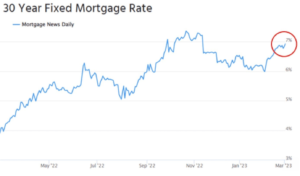
The interest rate for the most popular U.S. home loan plunged last week to its lowest level in 15 months. This decline followed signals from the Federal Reserve that it could start cutting its policy rate in September, alongside weak job market data bolstering financial market bets on significant reductions in borrowing costs. The average contract rate on a 30-year fixed-rate mortgage dropped 27 basis points to 6.55% in the week ended August 2, according to the Mortgage Bankers Association. This was the lowest rate since May 2023 and marked the sharpest drop in two years.

This decline offers potential homebuyers some relief in an increasingly unaffordable housing market, where home prices and borrowing costs have both risen significantly. According to Fannie Mae’s housing sentiment index for July, only 17% of respondents felt it was a good time to buy a home, down from 19% in June, with 35% stating they would rent their next residence—the highest share since 2011. Doug Duncan, chief economist at Fannie Mae, noted that this sentiment might reflect buyer fatigue or a deeper disenchantment with the market.

The drop in interest rates also presents an opportunity for homeowners who purchased at higher rates to refinance and reduce their payments. Refinancing applications rose sharply to the highest level in two years, helping to increase the refinance share of overall loan applications to 41.7%. However, purchase activity edged up by less than 1%, constrained by low inventory and high prices.

The Federal Reserve’s aggressive rate hikes in 2022 and 2023 had driven borrowing costs to their highest levels in decades. However, cooling inflation and a slowing labor market have led to signals that a policy rate cut could be on the table as early as next month. The Labor Department’s latest jobs report showed an increase in the unemployment rate to 4.3% in July and a slowdown in hiring, raising fears of an imminent recession.

This labor market data triggered a rally in U.S. Treasuries, lowering yields and pulling mortgage rates down. Interest rate futures now reflect bets that the Fed will cut its policy rate by a full percentage point by the end of this year, starting with a reduction of half a percentage point next month. Despite these developments, a significant portion of homeowners hold mortgages with rates below 4%, suggesting that mortgage rates would need to drop further to make refinancing or purchasing a new home appealing.