Yazılar

Vance Criticizes Walz and Harris: Allegations of Weirdness and Dishonesty in the Campaign

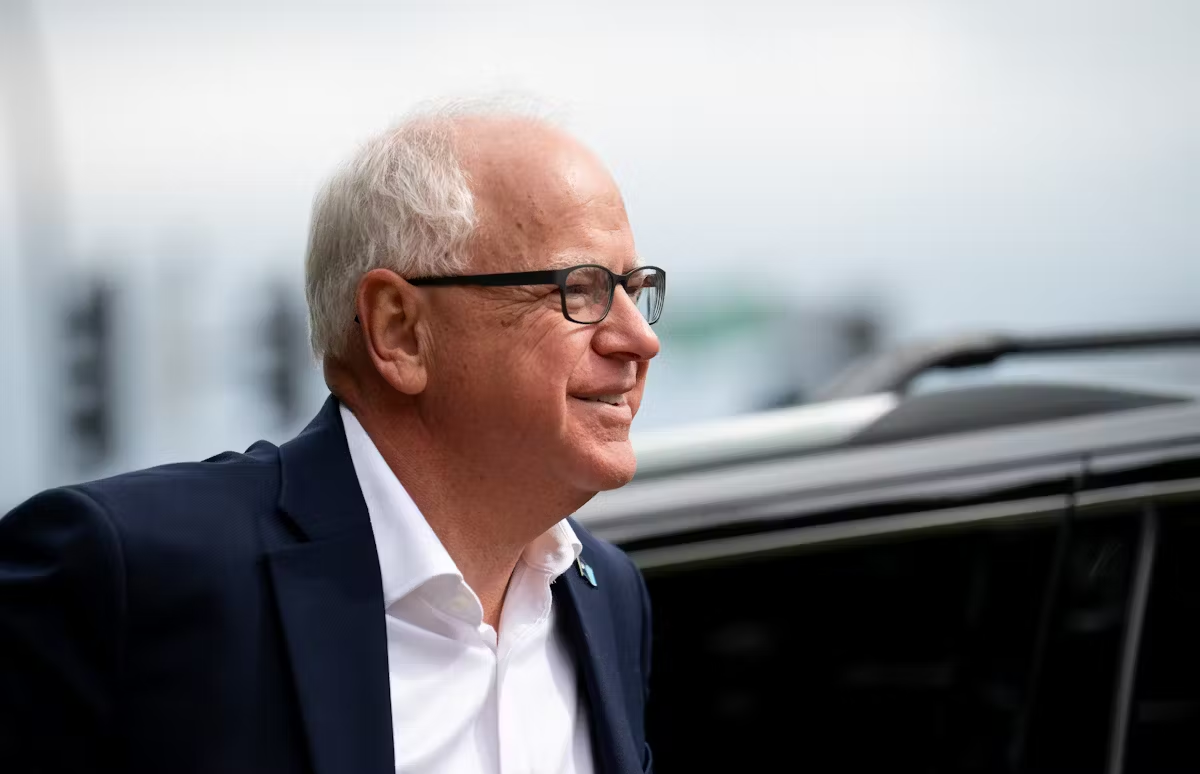
In a recent interview, Republican vice presidential nominee JD Vance aimed to shift the narrative against Democratic rival Tim Walz, labeling the Minnesota governor as “weird” and accusing him of dishonesty. Vance’s comments come as part of a broader effort to redefine the campaign’s dynamics, especially amid the shifting political landscape following Joe Biden’s exit from the presidential race.

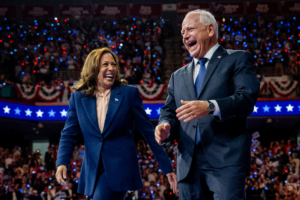
During an interview, Vance scrutinized Walz’s behavior during a rally where Vice President Kamala Harris introduced him as her running mate. Vance highlighted an incident where Walz shook his wife’s hand before hugging her, describing it as an awkward gesture. Vance contrasted this with his own display of affection towards his wife, suggesting that Walz’s actions reflected discomfort and a lack of authenticity, which he attributes to the Democratic ticket’s uneasy stance on their policy positions.
The new law of “weirdness” in the campaign extends to Walz’s military record. Vance criticized Walz for allegedly embellishing his military service, particularly in relation to his claims about serving in combat. Although Walz served in the Army National Guard, his deployment was to Italy, not a combat zone. Vance contends that Walz misrepresented his service for political gain, a claim that Walz’s campaign describes as a misstatement.

Vance also voiced concerns about Kamala Harris’s judgment in selecting Walz as her running mate. He questioned Harris’s credibility and accused her of failing to address the alleged dishonesty surrounding Walz’s military service. Vance’s remarks aimed to undermine Harris’s decision-making and cast doubt on her ability to lead effectively.

As the election approaches, Vance and Trump face a more competitive race due to Biden’s departure and Harris’s rise as the Democratic nominee. Vance acknowledged the altered landscape, noting that the campaign now involves contrasting Trump’s policies with those of the Biden-Harris administration. He argued that Harris, rather than Biden, effectively influences the administration’s policies, given Biden’s perceived cognitive limitations.

On other issues, Vance discussed Trump’s position on abortion, asserting that Trump would not seek to block access to the abortion drug mifepristone but would leave abortion policy decisions to individual states. He expressed empathy for women facing difficult medical situations but maintained that voters should ultimately determine abortion policies.

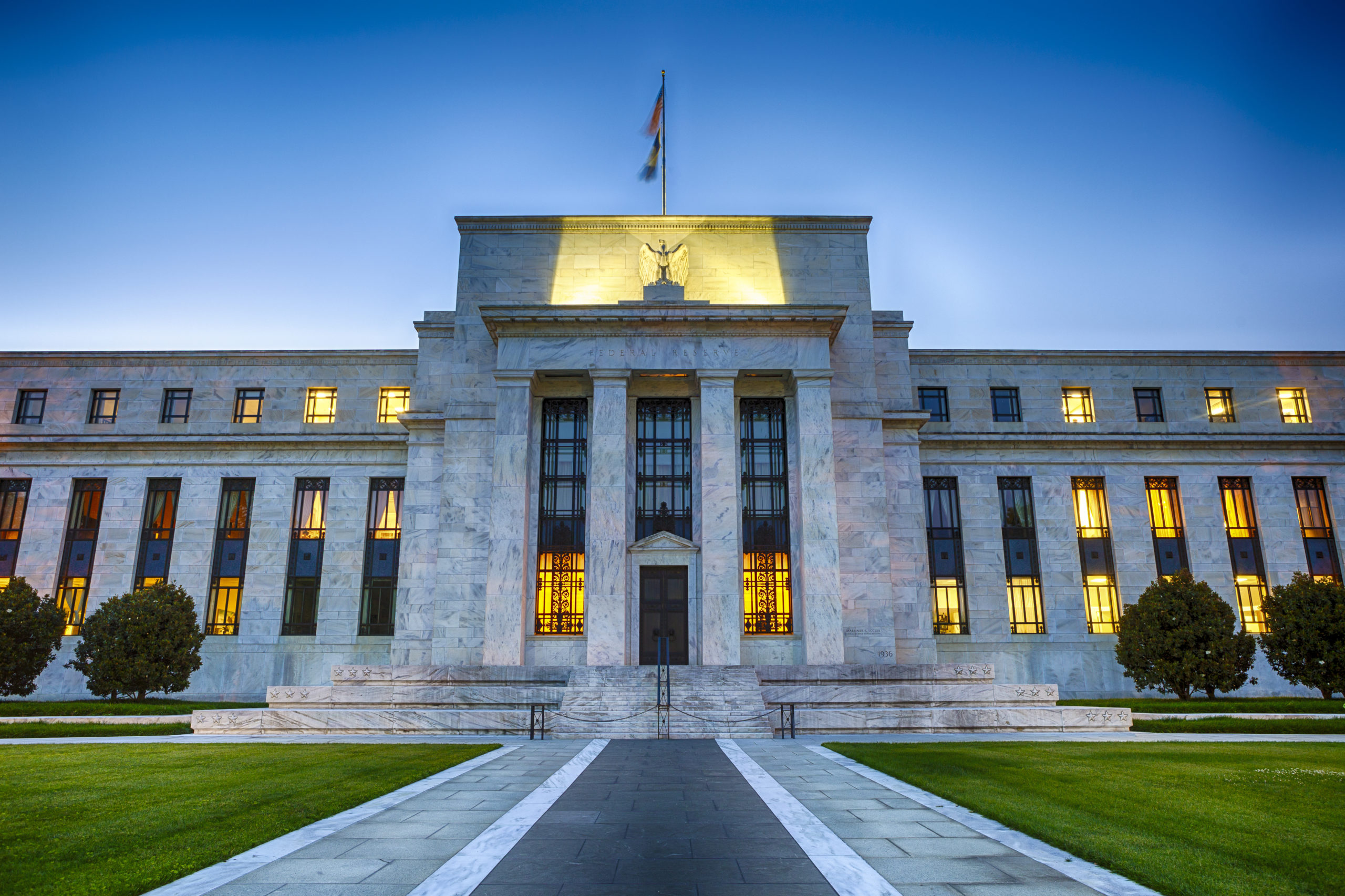
Vance also supported Trump’s view that presidents should have a say in Federal Reserve policy, challenging the central bank’s historical autonomy. He argued that significant economic decisions, such as interest rates, should involve democratic debate and input from elected leaders.

In addition, Vance criticized Harris for her shifting policy positions, accusing her of presenting different policies to different audiences. He described her campaign as insincere and scripted, claiming that Harris’s inconsistent stances reflect a lack of genuine policy commitments.

 

U.S. Stocks Edge Higher Amid Weekly Declines and Economic Uncertainty

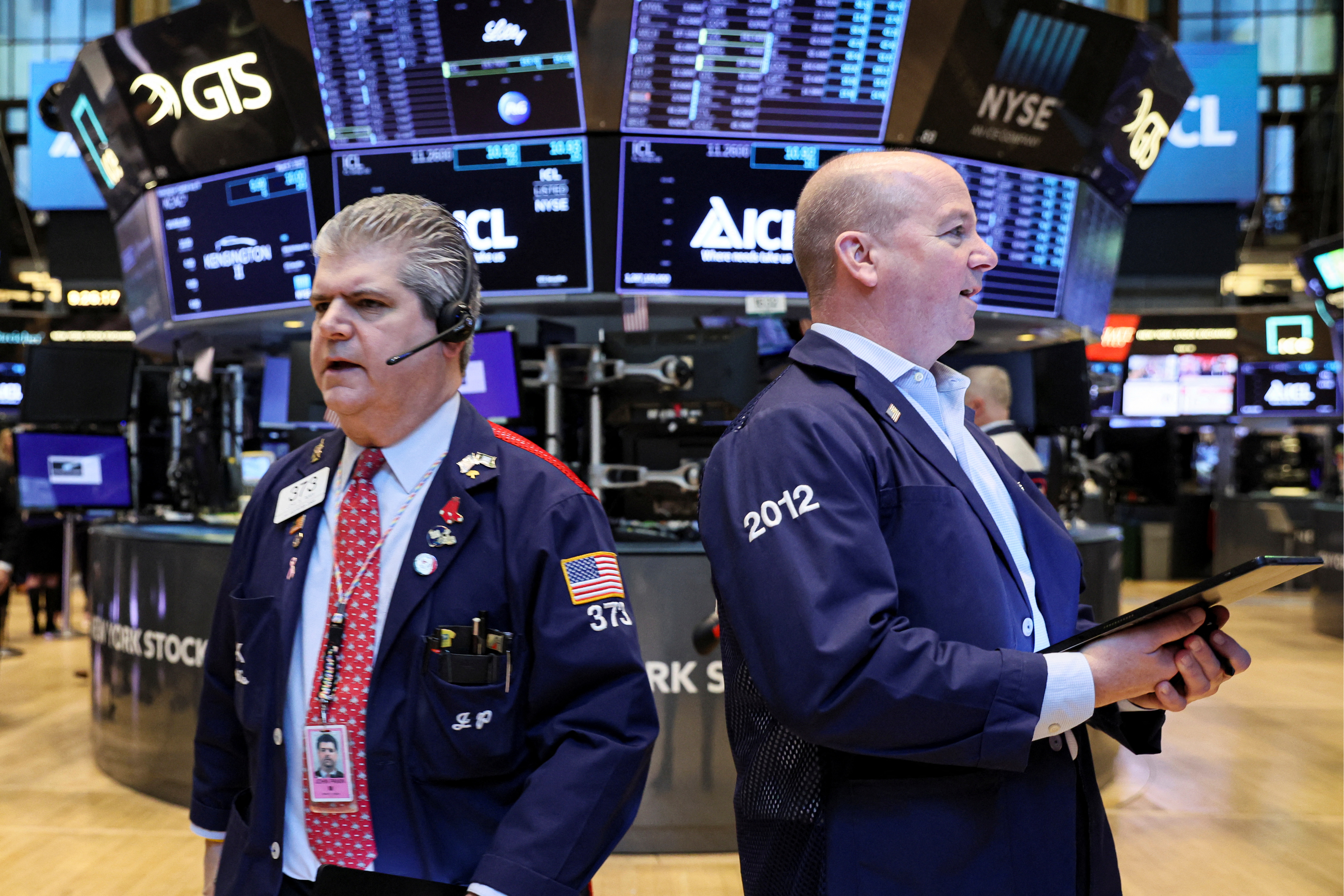
U.S. stocks saw modest gains on Friday, though all three major indexes—the Dow Jones Industrial Average, S&P 500, and Nasdaq—remained on track for small weekly losses. This movement followed a turbulent start to the week, driven by fears of a potential recession and the unwinding of a global yen-funded carry trade. Despite recent rallies, Wall Street was unable to fully recover from Monday’s steep decline.

The technology sector led the day’s gains, yet both the S&P 500 and Nasdaq were poised for a fourth consecutive week of losses. Meanwhile, the Cboe Volatility Index (VIX), often referred to as Wall Street’s “fear gauge,” decreased on Friday after spiking to 65.73 earlier in the week.

Monday’s market drop was largely attributed to last week’s sharp sell-off, which was triggered by a disappointing July jobs report that fueled recession concerns. These worries were exacerbated by the Bank of Japan’s interest rate hike on July 31, which resulted in a significant appreciation of the yen, a currency often used in carry trade investments. This led investors to unwind their positions, contributing to market instability.

Market participants remain on edge as they anticipate further uncertainty in the coming weeks, particularly in the lead-up to the Federal Reserve’s next policy meeting on September 17-18. Current market sentiment, as reflected in the CME Group’s FedWatch Tool, suggests a 55% chance that the Fed will reduce interest rates by 50 basis points, with a 25 basis point cut seen as having a 45% probability.

On the day, the Dow Jones Industrial Average rose by 27.13 points (0.07%) to 39,473.62, the S&P 500 gained 21.67 points (0.41%) to 5,340.98, and the Nasdaq Composite added 72.48 points (0.44%) to close at 16,732.50.

Investors are now looking ahead to next week’s reports on U.S. consumer prices and retail sales for July, which could provide further insights into the likelihood of a soft landing for the U.S. economy. On Thursday, Federal Reserve officials expressed confidence that inflation was cooling sufficiently to justify upcoming interest rate cuts, with the timing and size of these cuts likely to depend on forthcoming economic data.

In individual stock news, Take-Two Interactive Software saw gains as it forecasted growth in net bookings for fiscal years 2026 and 2027, while Expedia advanced after surpassing analysts’ expectations for second-quarter profits.

On the NYSE, advancing issues outnumbered decliners by a 1.22-to-1 ratio, while on the Nasdaq, decliners outpaced advancers with a 1.26-to-1 ratio. The S&P 500 recorded 13 new 52-week highs and 3 new lows, while the Nasdaq registered 48 new highs and 142 new lows.


Fed Unlikely to Cut Rates Before September Despite Market Turmoil

Recent turmoil in global stock markets, triggered by a sharp slowdown in the U.S. job market, has led to speculation that the Federal Reserve might cut interest rates before its next scheduled meeting in September. However, despite the market volatility, the odds of an emergency rate cut remain low. Chicago Fed President Austan Goolsbee emphasized that the Fed’s mandate focuses on employment and price stability, not the stock market.

While some analysts anticipate a half-percentage-point rate cut at the September meeting, few believe the Fed will act sooner. Kathy Bostjancic, an economist at Nationwide, warned that an emergency cut could cause more panic in the markets. Even former New York Fed President Bill Dudley, who recently advocated for rate cuts, acknowledged that an intermeeting cut is “very unlikely.”

Global stock markets have somewhat recovered after initial losses, and recent data showing a drop in U.S. jobless claims has further eased concerns. As a result, traders have scaled back expectations for an immediate Fed rate cut, now seeing even odds between a quarter-point and half-point reduction in September.

Fed Chair Jerome Powell is expected to provide more guidance at the upcoming Jackson Hole economic symposium. For now, Powell seems likely to maintain the current policy rate, sticking to his statement that any potential rate reduction will depend on forthcoming economic data, particularly regarding jobs, inflation, and consumer spending.

Historically, the Fed has only cut rates between meetings in response to severe market disruptions, such as during the 2008 financial crisis and the COVID-19 pandemic. However, current conditions do not appear to meet that threshold, making a preemptive rate cut before September unlikely.