Yazılar

Shares of Key Chip Suppliers Jump as U.S. Considers Milder China Sanctions

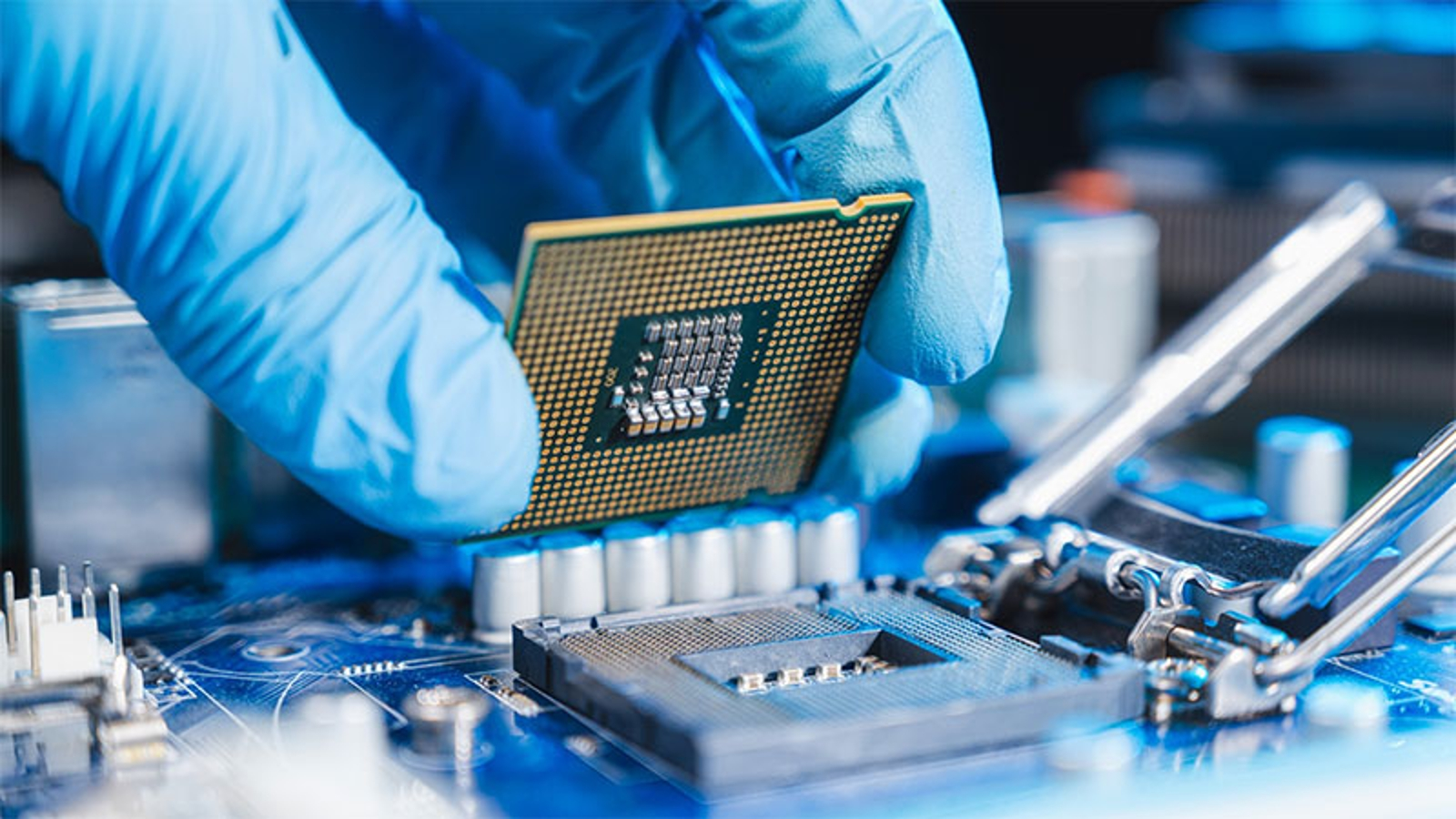
Shares of global semiconductor equipment suppliers surged on Thursday following reports that the U.S. is revising its proposed sanctions on China’s chip industry, potentially implementing less restrictive measures than previously planned.

ASML, a Dutch semiconductor equipment manufacturer, saw its shares rise by approximately 4.3% in early trading in Europe. Similarly, Japan’s Tokyo Electron saw a more than 6% increase in its share price.

According to a Bloomberg report, the U.S. government is contemplating new restrictions on the sale of semiconductor equipment and AI memory chips to China, but these measures are expected to be less severe than earlier proposals.

The U.S. Commerce Department’s Bureau of Industry and Security did not provide an immediate comment regarding the Bloomberg article.

One significant shift in the proposed measures is the decision not to add certain Chinese companies to the U.S. export blacklist, known as the Entity List. Among the companies not affected is ChangXin Memory Technologies, a Chinese memory manufacturer that competes with major global players like SK Hynix and Samsung.

For ASML, analysts at Jefferies noted that the company had previously forecast a 30% revenue decline from China next year due to restrictions. However, the exclusion of ChangXin from the export blacklist could result in a smaller-than-expected decline in ASML’s Chinese sales for 2024.

 

Huawei Launches Mate 70 with Own HarmonyOS, Moving Away from Android

Huawei has introduced its latest flagship, the Mate 70 smartphone, marking a significant milestone in its post-Android journey. The device, priced at 5,499 yuan ($760), is powered by Huawei’s own HarmonyOS Next, a departure from Android-based applications. This move underscores Huawei’s ongoing efforts to protect itself from further U.S. sanctions, which have restricted access to foreign technology.

At the launch event, Richard Yu, chairman of Huawei’s consumer business, described the Mate 70 as the company’s most powerful phone in the Mate series, highlighting that HarmonyOS Next is a “pure-blooded” technology developed entirely by Huawei’s engineers. From 2024 onward, all of Huawei’s new smartphones and tablets will run on HarmonyOS, signaling the company’s intent to break away from the Android ecosystem entirely.

The Mate 70 succeeds last year’s Mate 60 series, which surprised the tech industry with its advanced chip technology despite stringent U.S. export controls. This success, along with the introduction of the Mate 60 Pro in August 2023, has reignited interest in Huawei’s high-end smartphones and brought the company back into the premium segment.

Lucas Zhong, a research analyst at Canalys, described the release as a “critical step” for Huawei’s software strategy, emphasizing that moving away from Android would be crucial for the company to strengthen consumer loyalty and attract users looking for alternatives to Google’s and Apple’s operating systems.

Huawei has seen significant growth in the Chinese market, especially in the premium segment. According to Canalys, the company’s share of phones priced over $600 surged from 11% in Q3 2022 to 33% in the same period this year. In contrast, Apple’s share of this market dropped from 72% to 52%.

Huawei, once the world’s second-largest smartphone maker, has struggled since being placed on a U.S. trade blacklist in 2019, which restricted its access to key technologies, including Google’s Android operating system. As a result, Huawei was forced to sell its budget mobile brand, Honor, in a bid to survive.

The original HarmonyOS was introduced in August 2019, supporting Android-based apps, after Huawei’s U.S. blacklisting. Over time, the company has invested heavily in developing a fully homegrown operating system and has gained support from major Chinese tech firms to build a compatible app ecosystem.

Huawei aims to develop a robust application ecosystem for HarmonyOS, with plans to have 100,000 apps available within a year. Eric Xu, Huawei’s former rotating chairman, has stated that building this ecosystem in China first is key to eventually expanding it globally.

Analysts predict that the Mate 70 series could see over 10 million shipments over its lifetime. However, building a competitive ecosystem for HarmonyOS will take time, as the company works to expand its developer community.


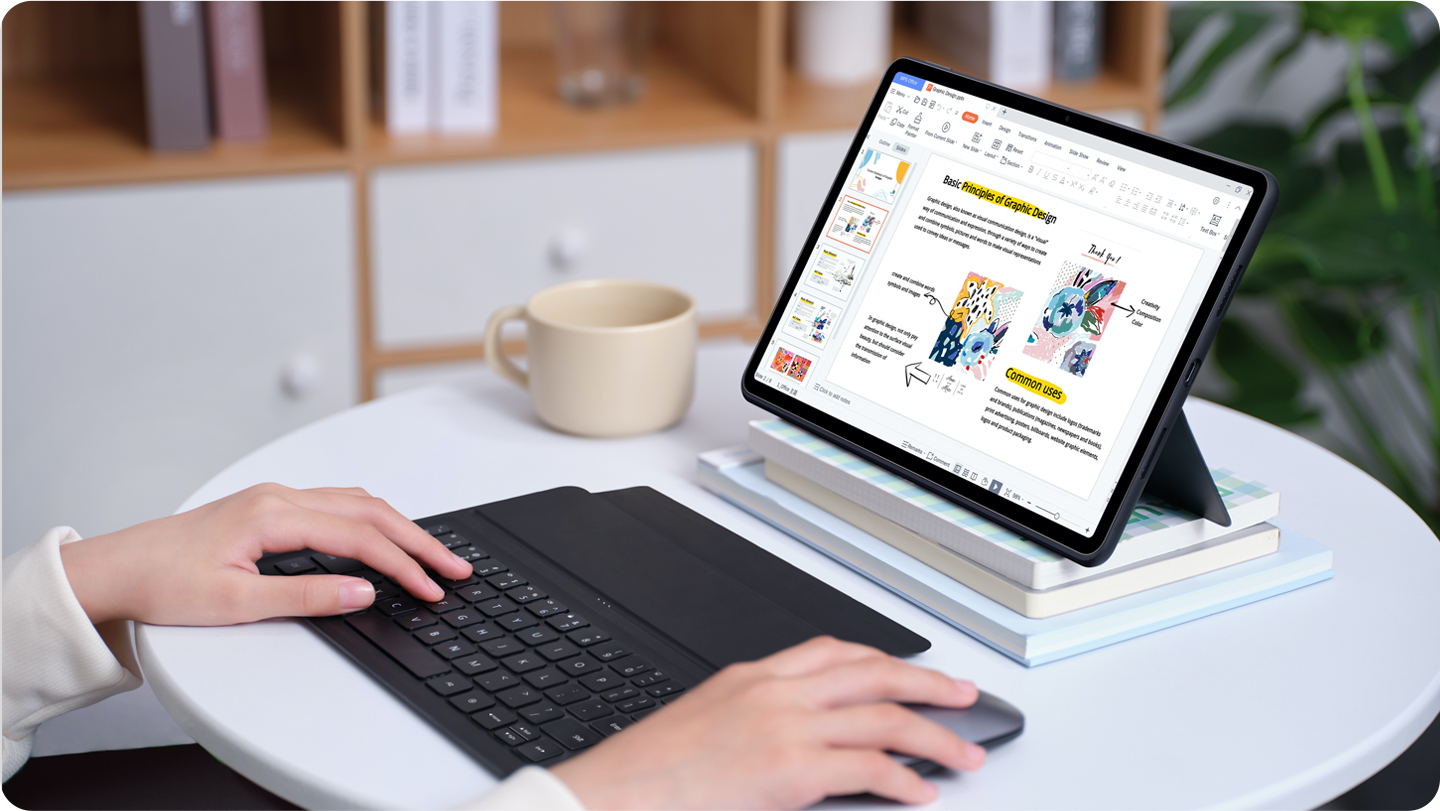
Huawei Launches MatePad 11.5: A Look at the New Tablet’s Features and Pricing

In the third quarter of 2024, Apple dominated the global smartphone market, claiming the top three spots in terms of best-selling models. According to a recent report by Counterpoint Research, the iPhone 15 series led the charge, with the iPhone 15 taking the top spot, followed closely by the iPhone 15 Pro Max and iPhone 15 Pro in second and third places, respectively. This marks another strong quarter for Apple, further solidifying its leadership in the global smartphone market.

Apple’s success in Q3 2024 was not limited to just the top spots. The company managed to secure four positions in the top 10 best-selling smartphones list, with the iPhone 14 making an appearance at number seven. This impressive feat shows the continued popularity and consumer loyalty towards Apple’s iPhone lineup, especially with the launch of its latest iPhone 15 models, which have been met with strong demand worldwide.

While Apple claimed the majority of the top positions, Samsung also made a notable comeback in the rankings. The South Korean tech giant captured several spots on the list, marking the return of a Galaxy S device to the top 10 for the first time since 2018. Samsung’s Galaxy S series continues to be a mainstay for high-end Android smartphones, and its improved presence on the list is a testament to the company’s ongoing innovation and appeal in the global market.

The overall performance of the top 10 best-selling smartphones reflects a highly competitive market, with these models accounting for 19% of the total global smartphone sales. While Apple maintains a stronghold with its premium devices, Samsung’s Galaxy S series resurgence indicates that the competition is far from one-sided. As we move into the final quarter of the year, it will be interesting to see if these trends continue or if new players will emerge to challenge the dominance of Apple and Samsung in the smartphone arena.