Yazılar

Huawei’s New Foldable Smartphone with Integrated Case and Rectangular Design Revealed in Patent Filing

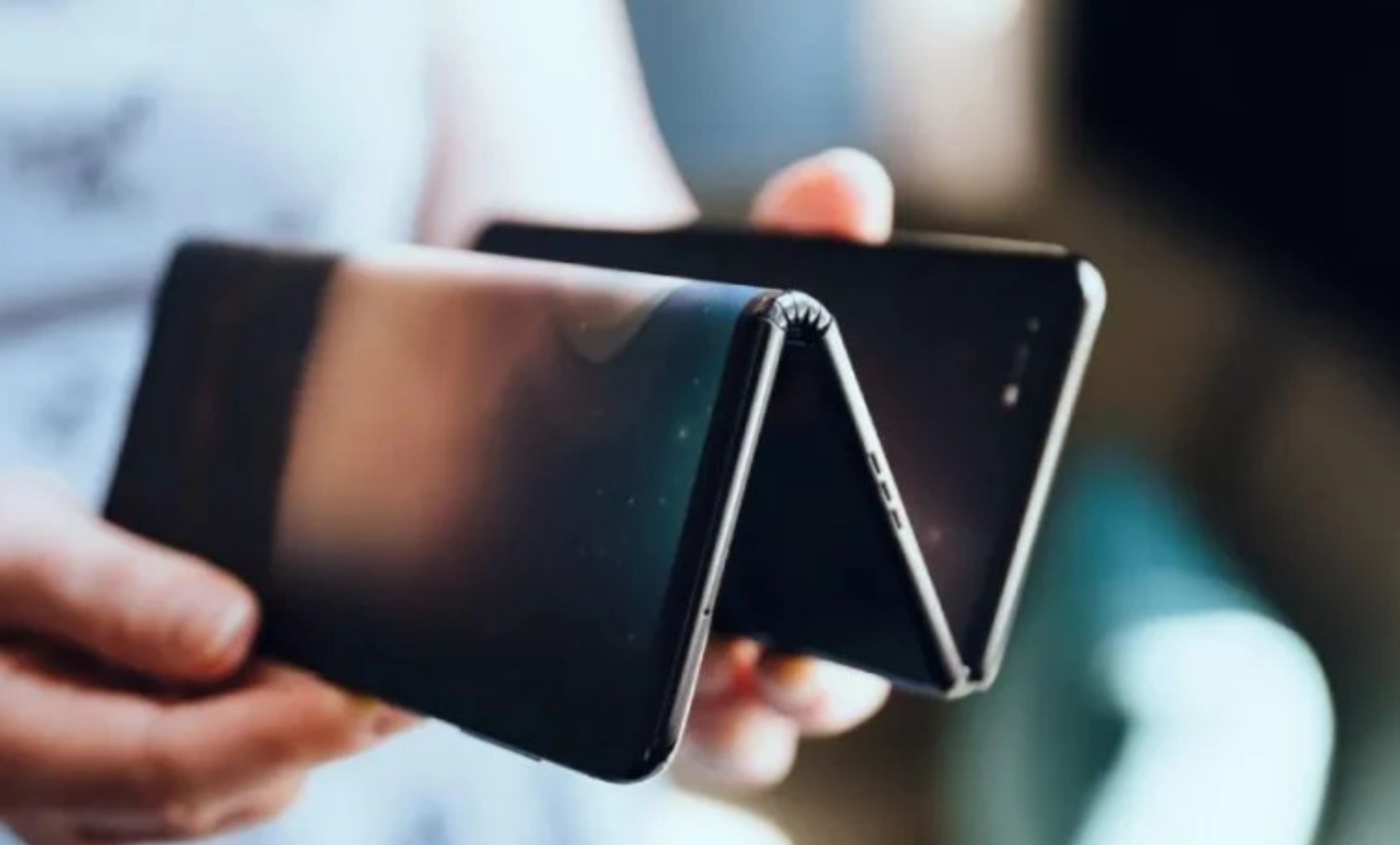
Huawei may be developing a new foldable smartphone with a unique design that features an attached protective cover. According to a patent published on the China National Intellectual Property Administration (CNIPA) website, the company is exploring the possibility of integrating a cover directly into the foldable device itself. Images provided in the patent suggest that the phone could be a tri-fold model, with the outermost panel serving as a protective cover when the device is closed. This follows Huawei’s recent release of the Mate XT Ultimate Design, the world’s first commercially available tri-fold phone, further indicating the company’s push to innovate in the foldable market.

The patent outlines a device that could function both as a smartphone and a tablet, incorporating a flexible hinge mechanism that allows the device to unfold and transform into a larger display. The protective cover is designed to wrap around the foldable sections of the device, providing added durability when the device is folded. This solution would help safeguard the fragile display without adding bulk, as the cover is described as being slim and lightweight, reducing the overall size of the phone.

This innovative concept aims to offer both practicality and style, addressing the potential downsides of foldable phones, such as screen damage or durability concerns. By integrating the cover into the design, Huawei could simplify the user experience by eliminating the need for a separate case while providing enhanced protection. The foldable’s hinge and frame design will likely be engineered to ensure smooth operation, with the cover remaining flexible to adapt to the device’s movements.

While still in the patent phase, this foldable phone concept could set the stage for Huawei’s next generation of foldable smartphones, continuing the trend of offering versatile devices with cutting-edge features. The design’s emphasis on reducing the overall footprint while still providing functionality suggests that Huawei is thinking strategically about the future of foldable technology. If the concept moves forward, it could provide a more streamlined and durable option for consumers in the growing foldable phone market.

U.S. Orders TSMC to Halt AI Chip Shipments to China Amid Escalating Tech Export Controls

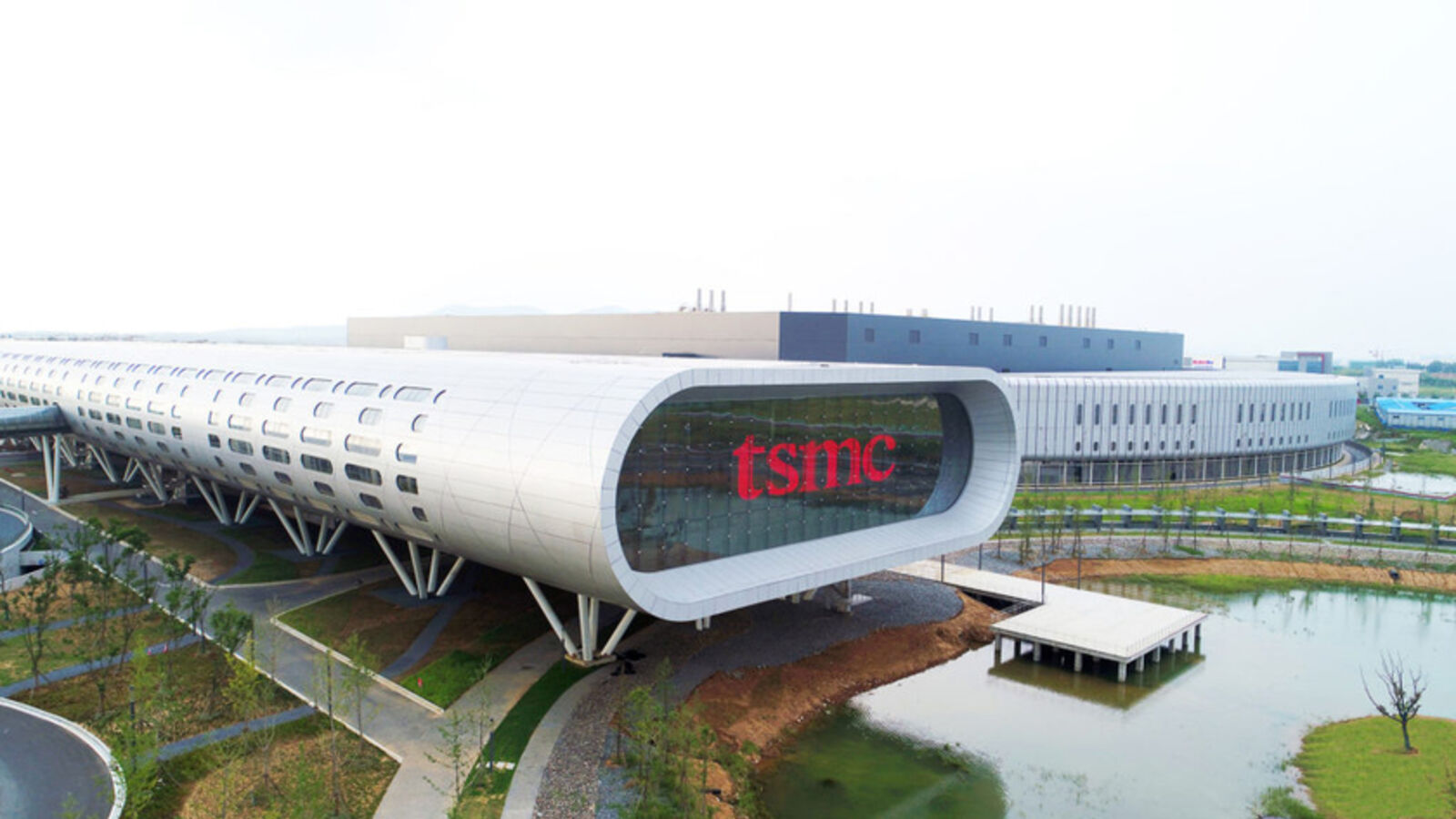
The U.S. government has directed Taiwan Semiconductor Manufacturing Co. (TSMC) to cease shipments of advanced chips used in artificial intelligence (AI) applications to Chinese customers as of Monday. According to a source familiar with the order, the U.S. Department of Commerce issued a notice to TSMC restricting the export of specific advanced chips, including 7-nanometer designs and below, often deployed in AI accelerators and GPUs, to Chinese entities.

This new export restriction follows recent revelations by TSMC regarding one of its chips found within a Huawei AI processor. Tech Insights, a technology research firm, had disassembled the Huawei processor and discovered TSMC’s involvement, potentially indicating an export control breach. Huawei, which is on the U.S. restricted trade list, is required to secure special licensing for any U.S.-derived technology imports. Such licenses are unlikely to be granted if they would benefit Huawei’s AI capabilities.

In response to the U.S. directive, TSMC has begun notifying Chinese clients affected by the suspension of AI and GPU chip shipments, including Sophgo, a China-based chip designer that used similar TSMC technology in a Huawei product. It remains unclear how the chip ended up in Huawei’s Ascend 910B AI processor, one of China’s most advanced AI chips.

The latest U.S. clampdown comes as lawmakers on both sides of the aisle have voiced concerns about the efficacy and enforcement of export controls on China. In recent years, the Commerce Department has issued similar restrictions to companies like Nvidia, AMD, and several chip equipment manufacturers to limit AI-related technology exports to China. Restrictions initially introduced via “is-informed” letters, like those now sent to TSMC, were later formalized into broader regulatory rules affecting additional companies.

This move reflects Washington’s continuing strategy to limit China’s access to advanced AI and chipmaking technologies. The Biden administration has drafted new export control rules targeting Chinese chipmaking and related companies and aimed to update the Commerce Department’s entity list, which would include over 120 Chinese companies. However, despite these plans, the proposed rules remain delayed, missing anticipated release dates earlier this year.

 

Huawei Nova 13 and Nova 13 Pro Unveiled with 60-Megapixel Front Cameras: Pricing and Specs Revealed

The Huawei Nova 13 series made its debut in China on Tuesday, showcasing two impressive models: the Huawei Nova 13 and the Nova 13 Pro. These smartphones are designed for high performance, featuring the powerful Kirin 8000 chipsets coupled with a substantial 12GB of RAM. Both models are backed by robust 5,000mAh batteries that support rapid 100W wired fast charging, ensuring users can stay powered up throughout the day. The camera capabilities of the Nova 13 series are noteworthy, with a 50-megapixel main camera and a remarkable 60-megapixel front-facing camera for stunning selfies. The Pro variant further enhances its photographic prowess with an additional 12-megapixel telephoto lens offering 3x optical zoom, making it an excellent choice for photography enthusiasts.

In terms of software, the Nova 13 series runs on Huawei’s latest HarmonyOS 4.2, which is built on top of Android 14. This operating system introduces the Da Vinci Portrait Engine 2.0, enhancing the camera experience with advanced features for portrait photography, allowing users to capture images with professional-quality effects and details. The integration of these technologies indicates Huawei’s commitment to providing a seamless user experience while maintaining cutting-edge photographic capabilities.

The pricing structure for the Huawei Nova 13 series reflects its premium positioning in the market. The base model of the Nova 13 starts at CNY 2,699 (approximately Rs. 31,800) for the 12GB RAM and 256GB storage variant. Consumers looking for more storage can opt for the 512GB version at CNY 2,999 (around Rs. 35,400) or the top-tier 1TB variant priced at CNY 3,499 (approximately Rs. 41,300). This variety in storage options caters to different user needs, from casual users to those who require significant space for multimedia content.

For the Nova 13 Pro, the entry price is set at CNY 3,699 (roughly Rs. 43,600) for the base 256GB model. The 512GB and 1TB configurations are offered at CNY 3,999 (approximately Rs. 47,200) and CNY 4,499 (about Rs. 53,100), respectively. These prices place the Nova 13 Pro in the premium smartphone segment, appealing to consumers seeking high performance and advanced camera technology. Overall, the launch of the Huawei Nova 13 series highlights the brand’s innovative approach to smartphone design and functionality, setting a competitive tone in the market.