Yazılar

Huawei’s HarmonyOS Next Set to Launch in China

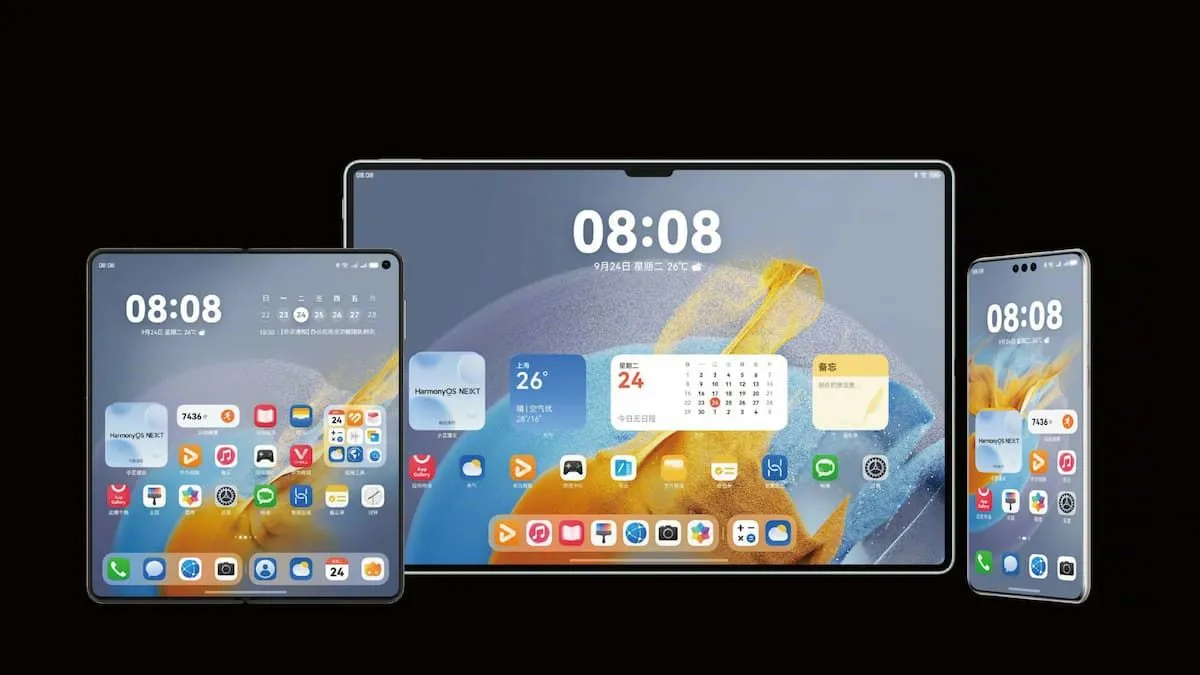
Huawei has officially announced the launch of its new operating system, HarmonyOS Next, scheduled to be unveiled in China next week. The announcement came via a social media post on Tuesday, following earlier rumors that the release would take place in September. Unlike traditional operating systems that rely on Google’s Android Open Source Project (AOSP) code, HarmonyOS Next is built on Huawei’s proprietary Hongmeng kernel and system architecture. This fundamental shift means that existing Android applications running on Huawei devices will not be compatible with the new OS, marking a significant change for users transitioning to HarmonyOS Next.

The official launch event for HarmonyOS Next will take place on October 22 at 7 PM local time, as confirmed by Huawei on the Chinese social media platform Weibo. The timing of this launch is particularly interesting, as it is speculated to coincide with the release of the anticipated Huawei Nova 13 series, which has already opened for pre-reservations. This strategic alignment could amplify consumer interest in both the operating system and the new smartphone lineup.

Huawei previously previewed a developer version of HarmonyOS Next last year, showcasing design elements that reflect its predecessor, Harmony OS. Features such as app arrangements, widgets, a notification bar, and a control center appear to carry over, indicating a familiar user interface for those accustomed to Huawei’s ecosystem. The company has highlighted that HarmonyOS Next will support over 10,000 applications and services, providing a robust platform for both smartphones and other connected devices.

As Huawei prepares for this significant launch, the implications of HarmonyOS Next extend beyond just a new operating system. It represents the company’s ongoing efforts to establish a self-reliant technological ecosystem in response to geopolitical pressures and restrictions on its access to Western technology. With HarmonyOS Next, Huawei aims to solidify its position in the competitive tech landscape, offering consumers an alternative that is deeply integrated with its hardware and services while emphasizing performance and user experience.

Does Chinese Investment Benefit or Harm Ireland?

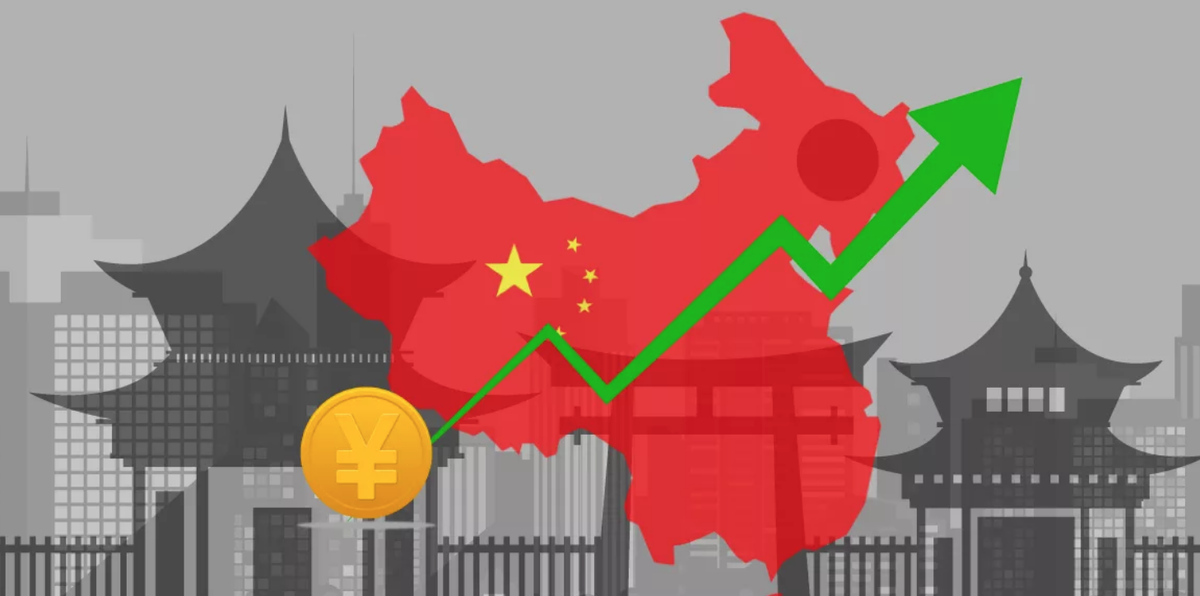
Chinese investment in Ireland has grown significantly, with the number of Chinese companies operating in the country rising from 25 in 2020 to 40 in 2024. This surge has prompted debates about whether these investments offer opportunities for economic diversification or carry reputational and political risks.

For some, Chinese investment represents a chance for Ireland to reduce its dependence on U.S. tech giants like Apple and Alphabet, creating jobs and potentially making the Irish economy more resilient. Companies such as Huawei and WuXi Biologics have made substantial financial contributions, with Huawei alone generating €800 million annually through its operations in Ireland. Additionally, TikTok’s European headquarters is in Dublin, and Chinese retailer Temu relocated its global headquarters to Ireland in 2023.

However, critics argue that these investments come with strings attached. Chinese companies, including Shein, Huawei, and WuXi, have been linked to human rights abuses, labor issues, and national security concerns. Shein, for instance, has faced allegations of child labor in its supply chain, while Huawei and WuXi have been sanctioned by the U.S. over security concerns. Critics like Irish MEP Barry Andrews have voiced concerns about Chinese companies’ practices, calling for stricter scrutiny and pointing out that human rights violations should not be overlooked.

Another concern is Ireland’s relationship with the U.S. Many of the Chinese firms setting up in Ireland, such as Huawei, are companies that have been sanctioned by the U.S., which could create diplomatic friction. Ireland, while aiming to de-risk rather than decouple from Chinese investments, must balance its close ties to both China and the U.S.

Economists are also divided on the benefits of Chinese investment. While the Irish government promotes its pro-business environment, some argue that Ireland’s economy is already heavily reliant on foreign direct investment (FDI). With unemployment at 4.3%, close to full employment, there is debate over whether Ireland needs additional jobs from Chinese firms. Dan O’Brien, chief economist at Ireland’s Institute of International and European Affairs, suggests that Ireland’s FDI dependence is too high, making the country vulnerable to global economic shifts, particularly if deglobalization trends continue.

Other experts, like Constantin Gurdgiev, emphasize that China’s investments offer Ireland a strategic cushion against potential U.S. pullbacks, especially given the pressure on American companies to re-invest domestically. Gurdgiev also points out that Ireland could act as a neutral ground where U.S. and Chinese firms can operate, giving Dublin a geopolitical edge.

Ireland’s relationship with China is further complicated by its low corporation tax, which has historically attracted foreign investment. However, international pressures have led Ireland to raise its tax rate for large companies. In light of corporate tax reforms and competition from other European nations, China’s investments could serve as a counterbalance if U.S. firms begin to relocate.

Nevertheless, Ireland risks playing a “dangerous geopolitical game” by courting Chinese companies while maintaining its diplomatic closeness with the U.S. While the Irish government insists that Chinese investment is part of a broader strategy to keep the economy competitive, the potential risks—both in terms of human rights and national security—cannot be ignored.


Leaked Hands-On Image of Huawei Mate XT Reveals Design and Price Details

Huawei Mate XT Expected to Feature 16GB RAM and 512GB Storage Option Devamını Oku