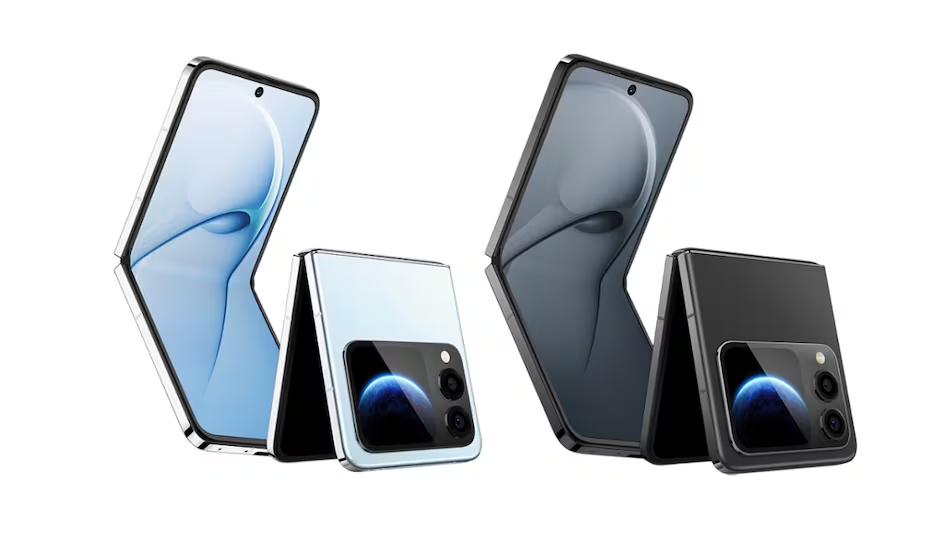
Huawei Unveils Nova Flip S With 4,400mAh Battery and 2.14-Inch Cover Screen
Huawei Launches Nova Flip S With Large Battery and Foldable Display Devamını Oku

Huawei Launches Nova Flip S With Large Battery and Foldable Display Devamını Oku
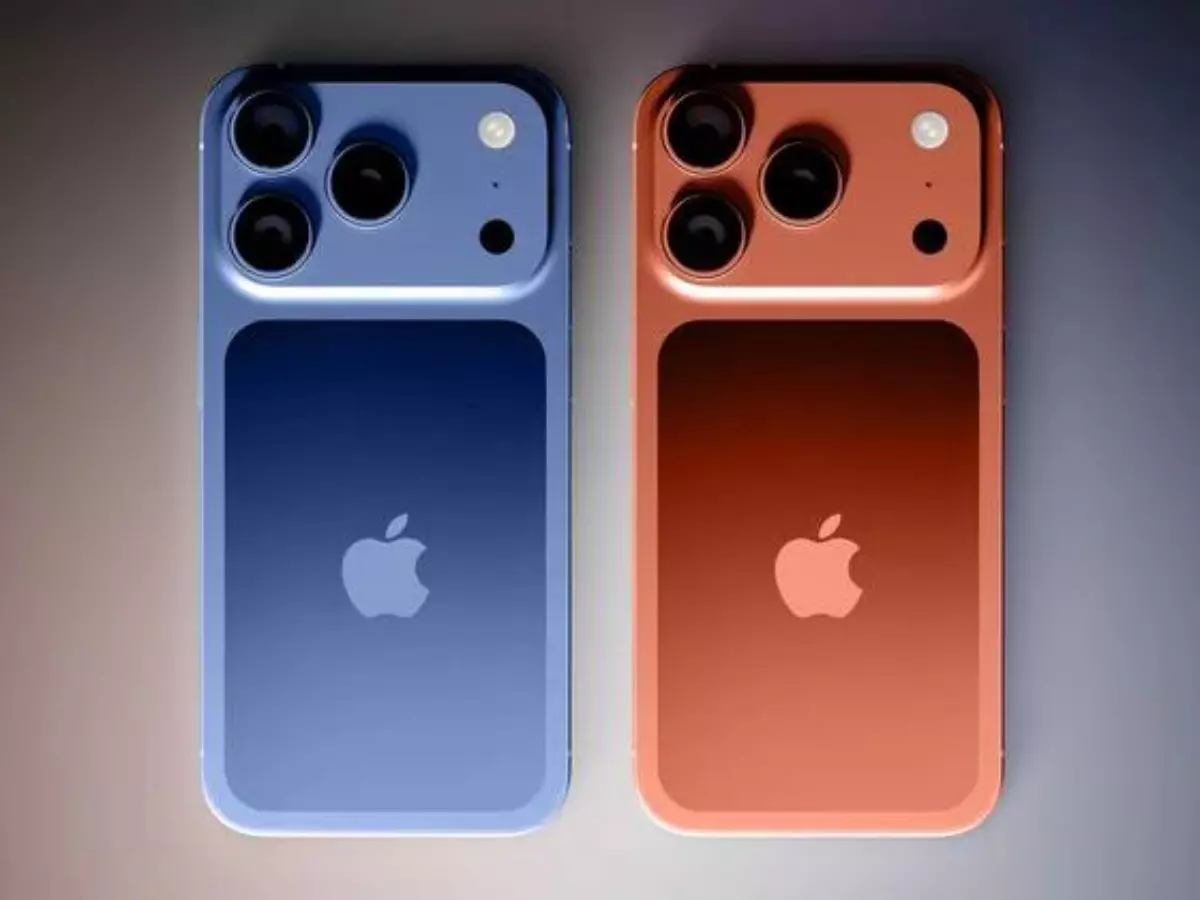
Apple’s shipments in China rose slightly in the third quarter, boosted by strong demand for its new iPhone 17 series, according to data released by research firm IDC. Shipments grew 0.6% year-on-year to 10.8 million units, giving Apple a 15.8% share of China’s smartphone market and securing its position as the country’s second-largest vendor.
Overall, China’s smartphone market continued to face weak demand, with total shipments falling 0.6% to 68.4 million units in the third quarter, following a 4% drop in the previous quarter. Despite the sluggish environment, Apple outperformed rivals, becoming the only brand among China’s top three vendors to post growth during the period.
IDC analyst Will Wong credited the success to Apple’s “value-for-money” iPhone 17 base model, which appealed to cost-conscious consumers while maintaining premium quality. By contrast, Huawei’s shipments slipped 1% to 10.4 million units, placing it third, and Xiaomi’s fell 1.7% to 10 million units, ranking fourth. Market leader Vivo saw a sharper decline of 7.8%, down to 11.8 million units.
IDC expects the Chinese smartphone market to recover modestly in early Q4, driven by the release of new flagship models launched in recent months.
A subsidiary of SiCarrier, a Chinese chip equipment manufacturer with close ties to Huawei, has unveiled two domestically developed chip design software tools, marking another step in China’s drive for semiconductor self-sufficiency, according to Chinese state-backed outlet The Paper.
The SiCarrier unit, called Yunqifang, introduced two electronic design automation (EDA) programs with fully independent intellectual property rights, aiming to reduce China’s reliance on Western technology in chip design. EDA software is critical to developing the blueprints of advanced semiconductors, which are central to modern electronics and artificial intelligence.
The announcement comes as U.S.-China tech tensions escalate. Earlier this year, Washington temporarily restricted exports of EDA tools to China after Beijing suspended exports of rare earths and magnets, which are vital for chipmaking. Analysts have warned that prolonged U.S. restrictions could cripple China’s semiconductor design capabilities, where it still trails the United States.
The timing of the launch coincides with U.S. President Donald Trump’s renewed threats to impose 100% tariffs on Chinese exports and expand export controls on “any and all critical software” by November 1, days before current tariff relief is due to expire.
Founded in 2021 and owned by the Shenzhen city government, SiCarrier has emerged as a strategic player in China’s semiconductor industry, aligning with Beijing’s push for technological self-reliance. Its progress reflects the broader effort to build a complete, homegrown semiconductor ecosystem capable of withstanding foreign trade pressures.