Yazılar

New Zealand Faces Record Emigration Amid Deepening Cost-of-Living Crisis

New Zealand, once hailed as a picturesque haven, is grappling with an unprecedented outflow of its citizens, driven by a severe cost-of-living crisis. In the year ending June 2024, a record 131,200 people left the country, with around 80,200 being citizens—an increase of nearly 70% compared to pre-pandemic levels. The exodus is fueled by high living costs, steep interest rates, and rising unemployment, prompting many, like fashion retail manager Wilson Ong, to seek better opportunities abroad. The economic challenges have been compounded by a sluggish recovery from the pandemic, which has heightened demand for overseas experiences among younger New Zealanders. Government data shows that over half of the emigrants were aged 20 to 39, with the highest numbers in the 25 to 29 age group. The economy has been in decline, with job losses affecting the younger workforce, and inflation remains problematic despite a drop from 7.3% in June 2022 to 3.3% in June 2024. Housing affordability remains a critical issue, with mortgage payments consuming between 53% and 57% of income. In contrast, neighboring Australia offers better economic prospects and higher wages, attracting many New Zealanders. Australia’s special visa program and its recruitment drive for Kiwi workers highlight the stark economic disparities between the two nations. Despite efforts to address these issues, such as a recent cut in interest rates by New Zealand’s Reserve Bank, the economic outlook remains bleak, with predictions of worsening conditions before any improvement. The recent shift to a more conservative government has introduced austerity measures, further straining the economy and impacting public and private sector investment.
 

Trump and Harris Compete for Black Voters in Georgia’s 2024 Battleground

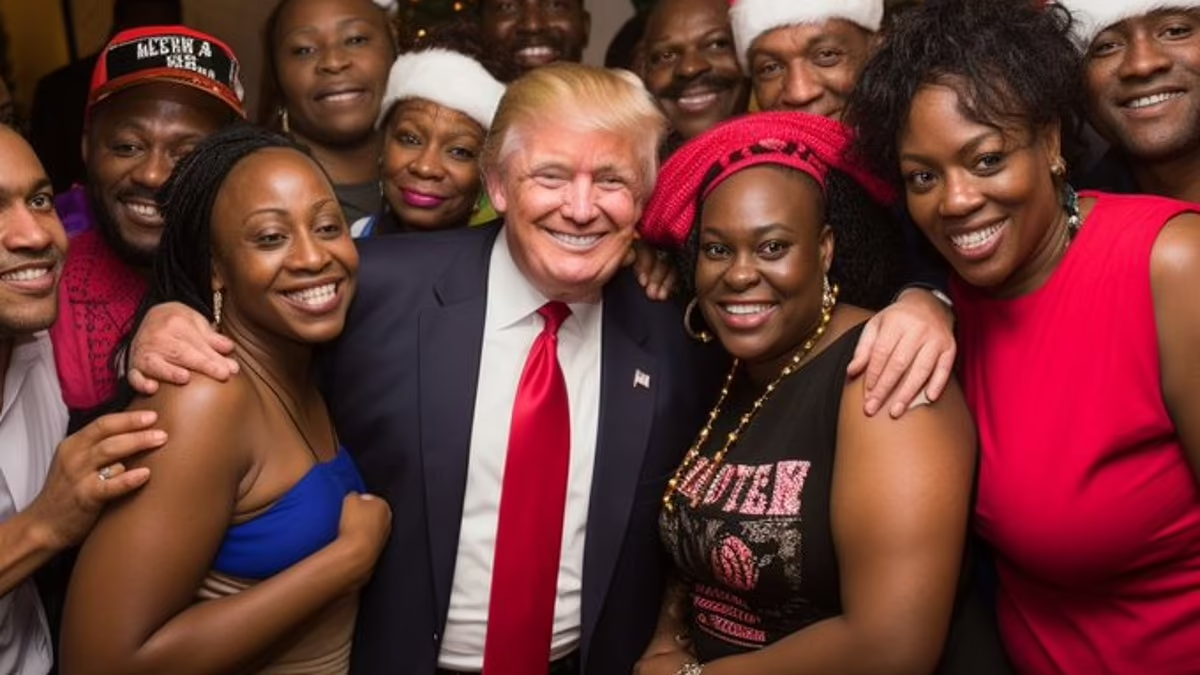
In the heated race for the 2024 U.S. presidential election, former President Donald Trump and Vice President Kamala Harris are in a fierce battle for Black voters in Georgia, a key battleground state. Vivian Childs, a Black Baptist minister and ardent Trump supporter, is rallying Republicans in Valdosta, Georgia, encouraging them to focus on Trump’s economic policies, stance on illegal immigration, and approach to inflation as part of their pitch to Black voters. Childs emphasizes the need for unity and insists that Trump’s policies benefit all Americans, irrespective of race.

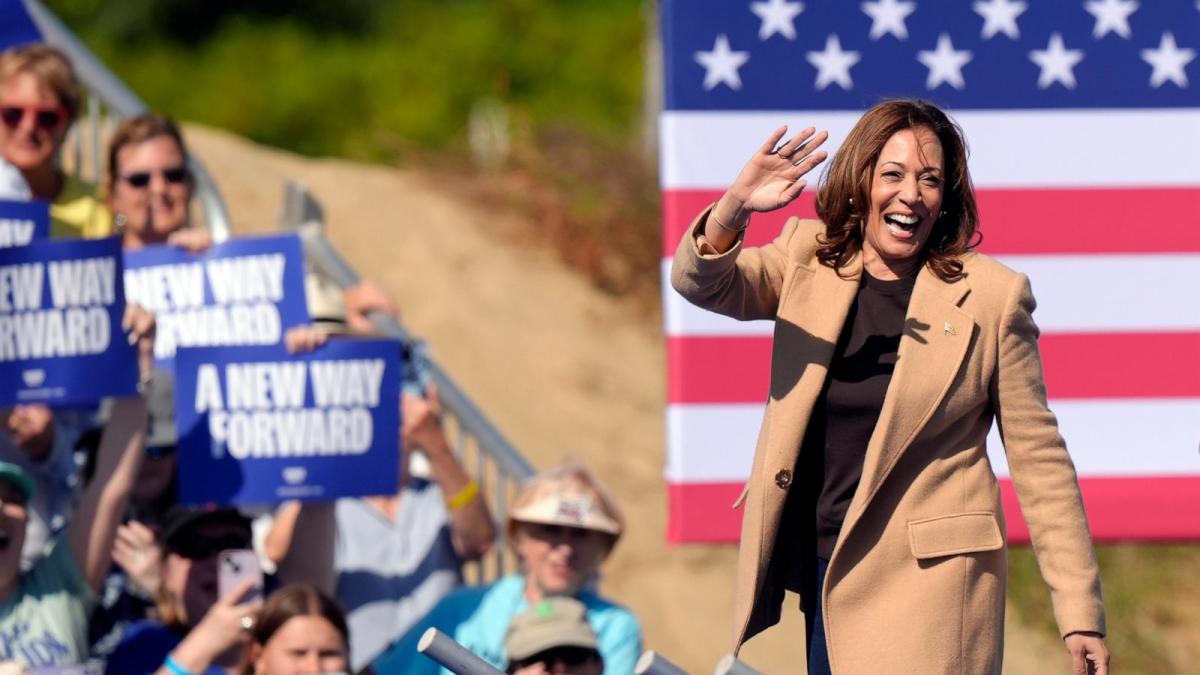
Georgia has emerged as a must-win state for Trump, particularly after Harris entered the race as the Democratic candidate in July. Her nomination energized voters, creating a significant shift in the state’s political landscape. Polls now show a tight race, with Trump and Harris virtually tied in Georgia, a dramatic change from earlier polls that had Trump leading President Joe Biden by six percentage points before Harris joined the race.

The competition for Black voters in Georgia is especially fierce, as they constitute about a third of the state’s population, the highest proportion among the battleground states. Despite traditional loyalty to the Democratic Party, Trump is making inroads among Black voters, particularly young Black men who feel disillusioned with the Democrats due to economic challenges. While Trump’s past racist remarks and Republican-supported voting restrictions have complicated his appeal to Black voters, his campaign is actively courting this demographic with promises of economic opportunities and addressing issues like inflation and immigration.

Picture background

Meanwhile, Harris’ campaign is focusing on lowering drug prices, increasing taxes on large corporations and the wealthy to fund housing, and offering tax breaks for working parents. The Harris campaign has also been reaching out to Black voters in Georgia from the outset, aiming to protect freedoms and ensure economic progress for families.

The stakes are high for both candidates. Trump is striving to improve his performance among Black voters, having secured about 11% of the Black vote in Georgia during the 2020 election. A higher share of Black support could secure his victory in the state, relieving pressure to win other critical battleground states. However, Trump’s comments questioning Harris’ racial identity have sparked controversy, potentially alienating some voters.

Georgia’s political landscape has been transforming in recent years, particularly in areas like Cobb County, which has shifted from being a predominantly white, Republican stronghold to a more diverse, competitive region. Both campaigns are working tirelessly to secure votes through grassroots efforts, events, and advertising.

For Republicans, the message revolves around economic opportunities, faith, and conservative values, while Democrats are focusing on issues like student loan forgiveness, affordable healthcare, and support for historically Black colleges and universities. The battle for Black voters in Georgia has become one of the most critical aspects of the 2024 election, with both sides pouring significant resources into the state in hopes of tipping the balance in their favor.

As the race intensifies, Black voters in Georgia find themselves at the center of a political tug-of-war that could decide the outcome of the election.

Yellen Confident in U.S. Economy, Sees Path to ‘Soft Landing’ Without Major Layoffs

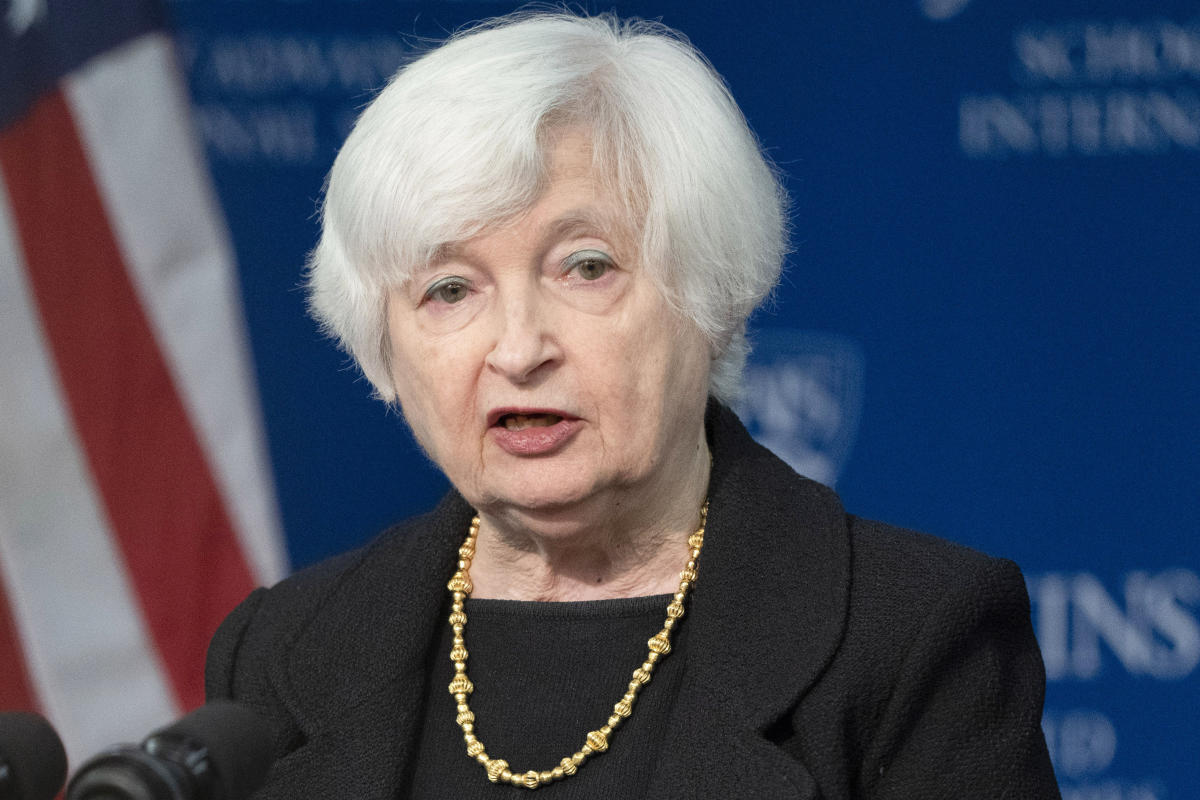
Treasury Secretary Janet Yellen reassured the public on Saturday that the U.S. economy remains robust, despite recent weak job reports that have unsettled investors and led to stock market declines. Speaking at the Texas Tribune Festival in Austin, Yellen acknowledged a slowdown in job growth compared to the post-pandemic hiring frenzy but emphasized that the economy is “deep into a recovery” and “operating at full employment.” She noted that while job openings have decreased, significant layoffs have not materialized, indicating economic stability. Yellen also pointed to the Federal Reserve’s ability to reduce inflation without triggering a recession, describing the current situation as a “soft landing.” Her comments followed the release of nonfarm payroll data for August, which showed lower-than-expected job growth but a slight dip in the unemployment rate to 4.2%. The Treasury Secretary remained optimistic about the economy’s trajectory, downplaying fears of an imminent recession.