Yazılar

Dow Reaches New Record After Fed Rate Cut, Posts Winning Week

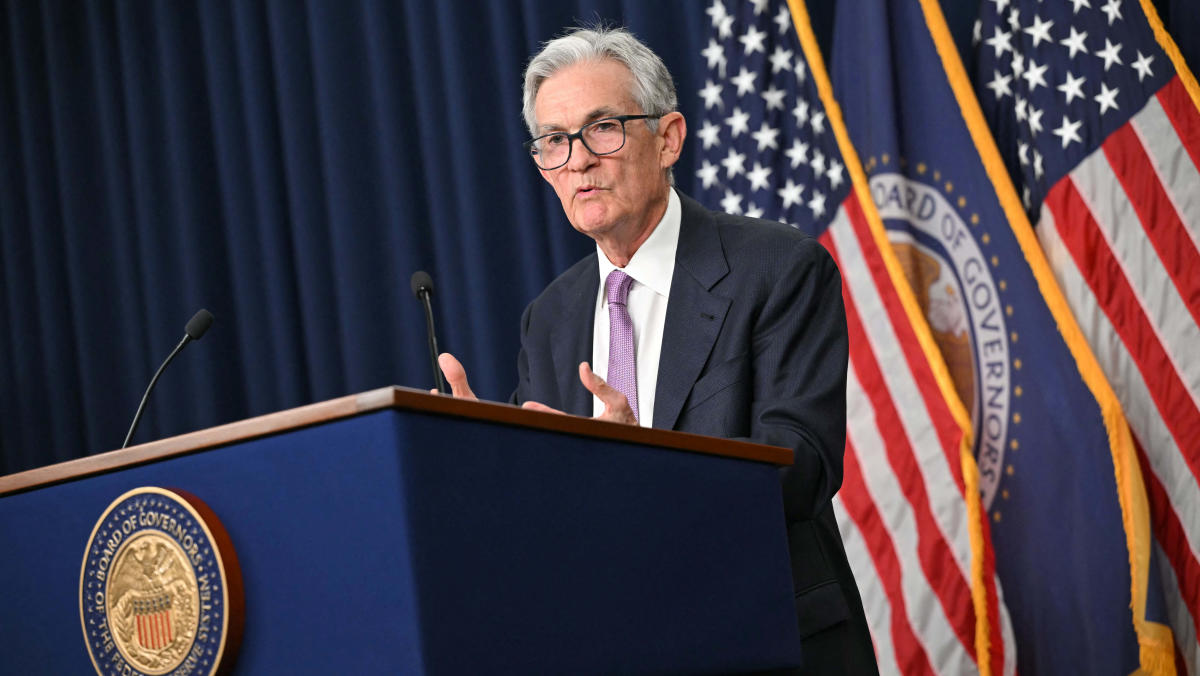
The Dow Jones Industrial Average closed at a new record on Friday, capping off a significant rally following the Federal Reserve’s first major interest rate cut in four years. The 30-stock Dow edged up 38.17 points (0.09%) to close at 42,063.36, marking a fresh high. However, the S&P 500 dipped slightly by 0.19% to 5,702.55, while the Nasdaq Composite fell 0.36% to end at 17,948.32. Earlier in the week, the Dow surpassed 42,000, and the S&P 500 crossed the 5,700 threshold for the first time.

All three major indexes recorded weekly gains, with the S&P 500 rising 1.36%, marking its fifth positive week in six weeks. For the year, the index is up over 19%. The Dow saw a weekly increase of 1.62%, and the Nasdaq gained 1.49%.

The market surged following the Federal Reserve’s decision on Wednesday to slash interest rates by a half percentage point, its first reduction since 2020. While the immediate market reaction was muted, Thursday saw stocks rally, particularly in tech, with Nvidia and Home Depot benefitting from expectations of lower borrowing costs.

Federal Reserve Governor Christopher Waller commented on Friday, noting that inflation is falling more quickly than anticipated, supporting his decision to back the half-point rate cut. Mark Hackett, Nationwide’s chief of investment research, stated, “Investors viewed the aggressive rate cut as a positive catalyst,” adding that the Fed has effectively assured markets that this cut was a proactive step to sustain economic momentum rather than a reaction to faltering conditions.

However, sentiment was dampened slightly by FedEx’s reduced earnings outlook, which caused its shares to drop over 15%. Competitor UPS also declined by 2.7% in sympathy.
 

BOJ Keeps Interest Rates Steady, Upgrades View on Consumption Signaling Confidence in Economic Recovery

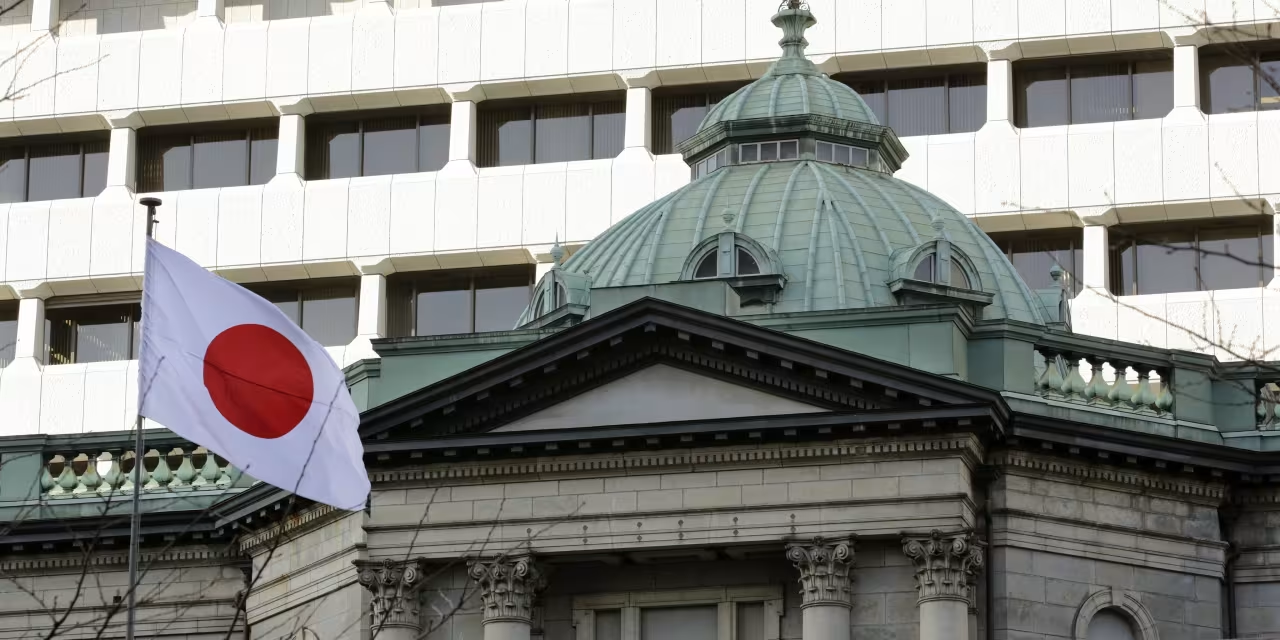
The Bank of Japan (BOJ) maintained its interest rates unchanged on Friday, while offering a more optimistic view on private consumption. This move reflects the central bank’s confidence that Japan’s economic recovery is progressing, potentially allowing for another interest rate hike in the near future. The decision, widely anticipated by market watchers, keeps short-term interest rates at 0.25%, marking the conclusion of the two-day meeting.

In its post-meeting statement, the BOJ noted that private consumption is “on a moderate increasing trend,” an upgraded assessment from previous reports that described consumption as resilient. This shift suggests that the central bank sees a stronger economic trajectory, despite headwinds from rising prices. The yen responded by paring losses, while the Nikkei average saw some gains shrink, as markets interpreted the central bank’s positive outlook as a sign of a possible rate hike soon.

Analysts believe this upgraded view reflects growing confidence that wage increases will support household spending, offsetting the impact of inflation. Naomi Muguruma, chief bond strategist at Mitsubishi UFJ Morgan Stanley Securities, stated, “If upcoming data further supports the BOJ’s optimistic outlook, we could see another rate hike as early as December.”

Japan has been dealing with accelerated inflation, with core consumer prices rising 2.8% in August, marking the fourth consecutive month of increases. This sustained inflation, alongside an annualized GDP growth of 2.9% in the second quarter and rising real wages, has fueled expectations of further interest rate hikes. The next opportunity for the BOJ to reassess its projections will come during its October 30-31 meeting, where the board will review its quarterly forecasts.

The BOJ’s decision to maintain its current rate stands in contrast to other major central banks, such as the U.S. Federal Reserve, which has recently shifted toward reducing borrowing costs. Governor Kazuo Ueda has maintained a hawkish stance, indicating that the BOJ is prepared to raise rates again if inflation continues to meet the bank’s 2% target.

Despite Japan’s domestic economic strength, external challenges loom, including weaker demand from China and slower growth in the U.S. Moreover, recent volatility in the yen and stock market fluctuations are key concerns for BOJ policymakers. However, the central bank has reiterated its readiness to implement further rate hikes, with some members advocating for a gradual increase in short-term rates to around 1% over time.


What a U.S. Federal Reserve Rate Cut Could Mean for the Global Economy

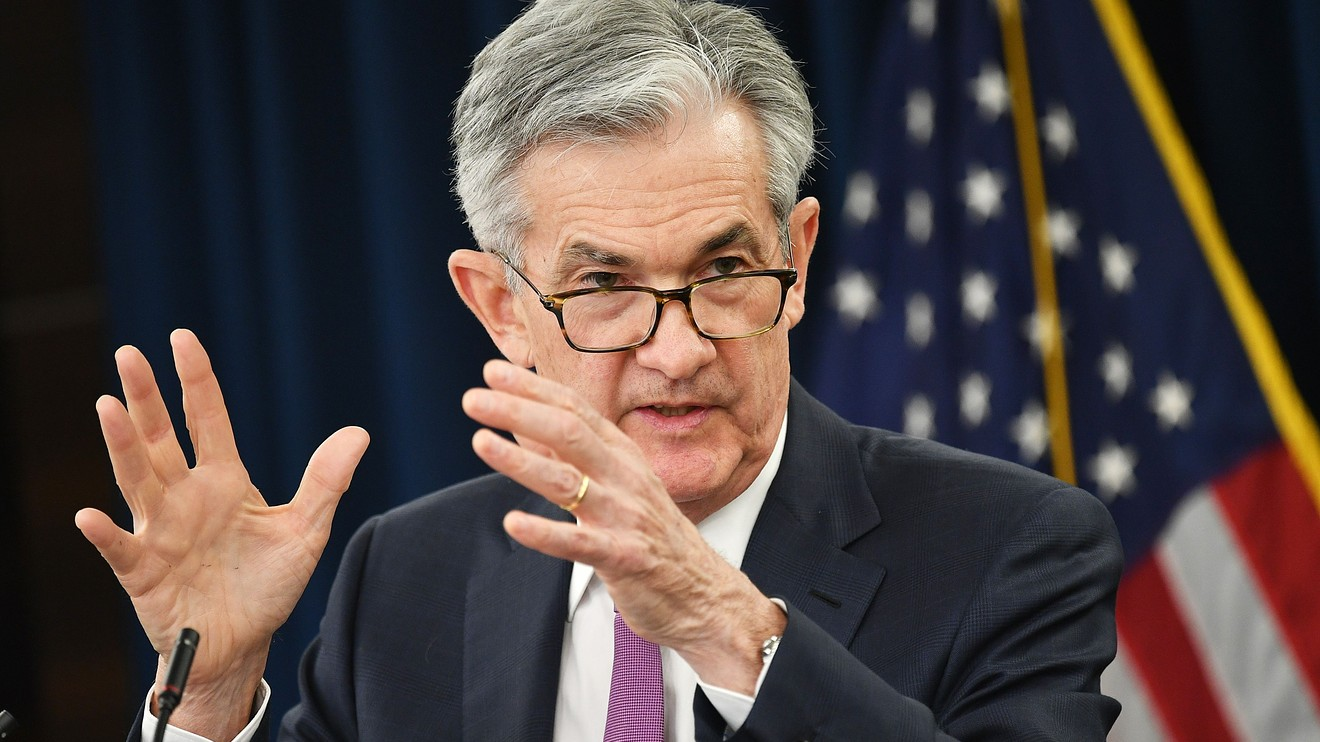
The U.S. Federal Reserve is widely expected to implement its first interest rate cut since the Covid-19 pandemic. Although anticipated, global investors are bracing for significant impacts, as the Fed’s decisions ripple through international markets.

Many central banks, including those in the eurozone, U.K., and Canada, have already cut rates, responding to sluggish growth and declining inflation. However, analysts have speculated that further rate cuts might be limited without the Fed moving in tandem, given its significant global influence.

Global Impact of Fed Rate Cut:
A key concern tied to a Fed rate cut involves the effect on global currencies. Higher interest rates typically attract more foreign investment, strengthening the local currency. In the current cycle, countries like Japan and Turkey have experienced currency devaluation due to low interest rates, while the U.S. dollar surged in 2022, driven by aggressive Fed rate hikes. A weaker currency can trigger inflation by increasing the cost of imports, complicating inflation management for some central banks.

Beyond currencies, the Fed’s decisions directly impact the U.S. economy, particularly with growing concerns about a softening labor market and potential recession. This, in turn, affects global asset prices. Gold, which has seen record highs, is influenced by both inflation fears and market uncertainty. Commodities such as oil, often priced in U.S. dollars, may see demand rise following a rate cut due to lower borrowing costs stimulating economic activity.

Emerging markets, heavily influenced by U.S. monetary policy, are especially vulnerable. Interest rate cuts in the U.S. lower the cost of borrowing dollars, which eases liquidity for global companies. However, lower U.S. yields may also redirect investments to other markets, making them relatively more attractive.

Uncertainty Surrounding the Fed’s Next Move:
While investors are confident about an upcoming rate cut, uncertainty lingers over how deep the cut will be and how quickly the Fed will proceed with additional reductions. Market speculations suggest the first cut could range from 25 to 50 basis points, but concerns about economic growth have pushed many to favor a more significant reduction. Historically, large rate cuts have signaled deeper economic challenges, as seen during the 2007 financial crisis and the tech bubble in the early 2000s.

Some analysts caution that while a rate cut may relieve market stress in the short term, it could foreshadow longer-term economic struggles. However, others argue that the current economic data remains inconclusive, allowing equities to hold steady until more definitive economic trends emerge.