Yazılar

Trump’s Tariff Plans Could Trigger Higher U.S. Interest Rates, Warns IIF Chief

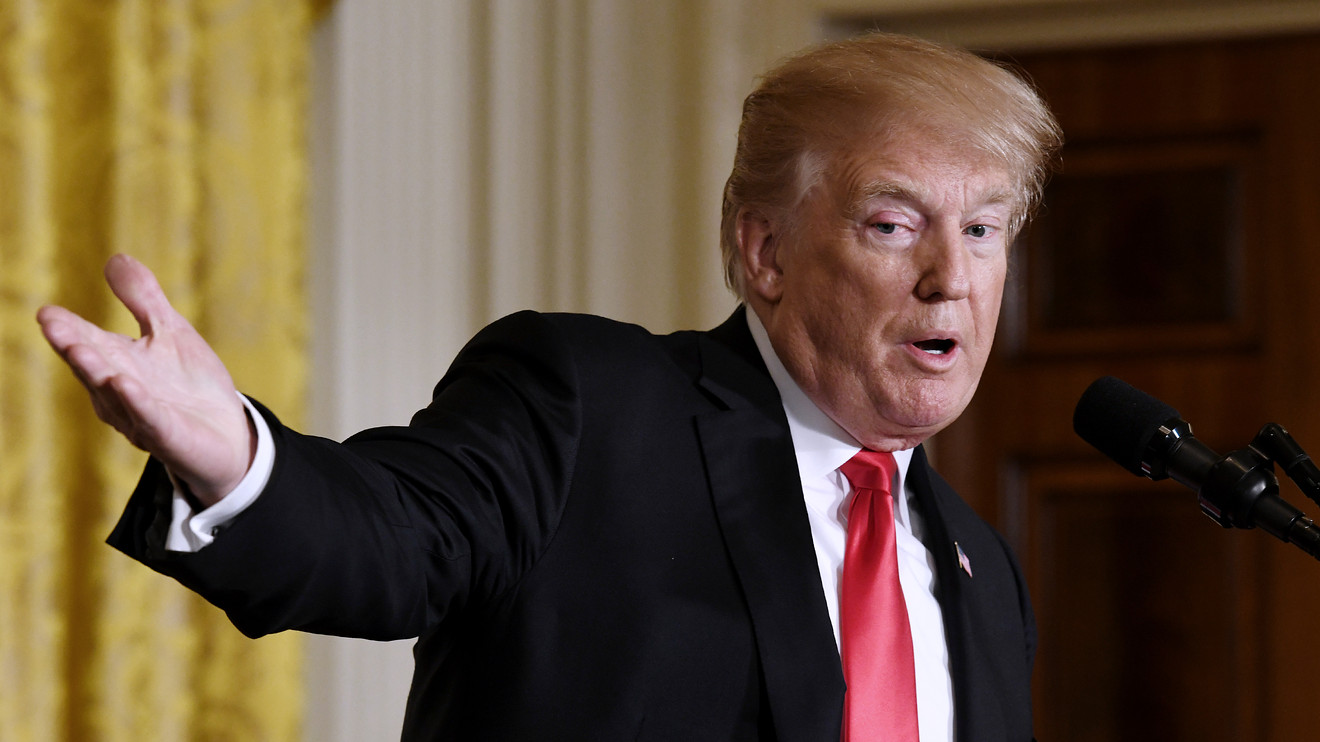
Proposed tariffs by U.S. presidential candidate Donald Trump could lead to higher interest rates and disrupt the current trend of disinflation, according to Tim Adams, President and CEO of the Institute of International Finance (IIF). In an interview with CNBC on Tuesday, Adams noted that extreme tariffs would likely increase inflation, leading to a corresponding rise in interest rates.

“The assumption is you’ll have higher inflation, higher interest rates than you would have in the absence of those tariffs,” Adams explained. The potential economic impact depends on the nature and duration of retaliation from trading partners, but Adams suggested tariffs would hinder progress on reducing inflation.

Trump has made tariffs a central part of his economic policy, proposing a 20% tariff on all imports and a 60% tariff on Chinese goods. Additionally, he suggested a 100% tariff on cars crossing the U.S.-Mexico border and similar penalties for countries moving away from using the U.S. dollar.

Defending his plan, Trump argued in a recent interview with Bloomberg that high tariffs would compel companies to relocate their manufacturing to the U.S., allowing them to avoid the taxes. Trump has also dismissed concerns that his proposed tariffs would fuel inflation, describing them as part of a protective “ring around the country.”

Despite Trump’s confidence, economists and analysts warn that such broad tariffs, along with restrictions on immigration, would likely put upward pressure on inflation. While some short-term impacts could be absorbed, the long-term consequences could slow efforts to curb rising prices.

Inflation and Interest Rates

In recent months, inflation in the U.S. has fallen to 2.4% as of September, down from a pandemic-era peak of 9% in June 2022. The Federal Reserve has begun cutting interest rates, reducing them by half a percentage point in September. However, concerns about future disinflation remain, particularly if Trump’s tariffs are enacted.

The timing of these proposals coincides with rising global trade fragmentation. For example, the European Union recently approved higher tariffs on China-made electric vehicles, accusing Chinese manufacturers of benefiting from unfair subsidies.

Adams also pointed out that both Trump and his Democratic opponent, Vice President Kamala Harris, are running on platforms of change. While Trump’s proposals focus on isolationism and protectionism, Harris is expected to emphasize global engagement and cooperation with international institutions.

Why Inflation May Seem to Be Easing but Remains a Significant Problem

Although the Federal Reserve appears to be closing in on its inflation target, the ongoing high cost of goods and services continues to strain the U.S. economy. While recent data shows inflation slowing, the effects of price increases are still evident, causing challenges for individuals, businesses, and policymakers.

Some economists, such as those at Goldman Sachs, predict that upcoming reports may indicate the inflation rate approaching the Fed’s 2% target. However, inflation is a complex issue, not easily encapsulated by a single metric. By some measures, inflation remains uncomfortably high for many Americans and even some Fed officials. San Francisco Fed President Mary Daly recently acknowledged the progress in lowering inflation but warned against complacency, emphasizing that vigilance is still necessary.

Inflation is far from over. Daly’s anecdote about a local resident asking her if the Fed had “declared victory” highlights the public’s concern. The central bank’s recent decision to cut interest rates was aimed at adjusting policy in response to inflation, which has come down from its 2022 peak. Yet, many Americans remain skeptical, as high prices linger in various sectors.

There are two ways to assess inflation: the 12-month inflation rate, which receives most of the attention, and the cumulative impact that inflation has had over the past three years. The Consumer Price Index (CPI), one of the most widely followed indicators, has shown a dramatic improvement, with inflation at 2.4% in September, down from a peak of 9.1% in June 2022. However, other indicators show a less promising picture. For example, the Fed’s preferred measure, the Personal Consumption Expenditures (PCE) price index, is still slightly above the 2% target, according to projections.

Inflation first surpassed the Fed’s 2% goal in March 2021 and was initially considered a “transitory” phenomenon linked to pandemic-related disruptions. Yet, over the past two years, prices have skyrocketed across many sectors. Since the start of the inflation surge, the all-items CPI has risen 18.8%, food prices have jumped 22%, and the cost of everyday necessities like eggs and gasoline have climbed sharply. Housing prices, too, have surged, with the median home price increasing 16% since early 2021.

Furthermore, “sticky” prices—those less likely to change frequently, such as rents, insurance, and medical costs—are still rising at a 4% rate, even as more flexible items like food and gas show signs of easing. This divergence between different inflation measures highlights the complexity of the issue.

Core inflation, which excludes food and energy, continues to be a concern as well. In September, core CPI inflation stood at 3.3%, while the core PCE index was 2.7% in August. These figures suggest that despite some improvement, underlying inflation pressures remain.

Consumer spending has remained strong despite high prices. In the second quarter of 2024, consumer spending reached nearly $20 trillion on an annualized basis, though the pace of spending is beginning to slow. Borrowing has also increased significantly as households have taken on more debt to cope with rising costs. Household debt rose 19% since early 2021, with delinquencies on the rise, though still below historical averages.

Small businesses are also feeling the strain. Many have turned to credit cards to manage cash flow, with small business credit card balances increasing by more than 20% compared to pre-pandemic levels. Inflation remains the top concern for many business owners, as seen in surveys conducted by organizations like the National Federation of Independent Business.

As the Fed prepares for its next policy meeting in November, it faces a difficult choice. While interest rates have been reduced, financial markets are reacting unpredictably, with bond yields rising and mortgage rates climbing despite the Fed’s easing efforts. Some economists argue that the Fed should hold off on further rate cuts until it can better assess the current inflationary environment.

In the end, the public remains uncertain about whether the Fed has truly tamed inflation. As Daly noted, while progress is being made, the journey toward stabilizing prices and achieving lasting economic relief is far from over.


European Central Bank Poised for Third Interest Rate Cut of the Year Amid Easing Inflation Risks

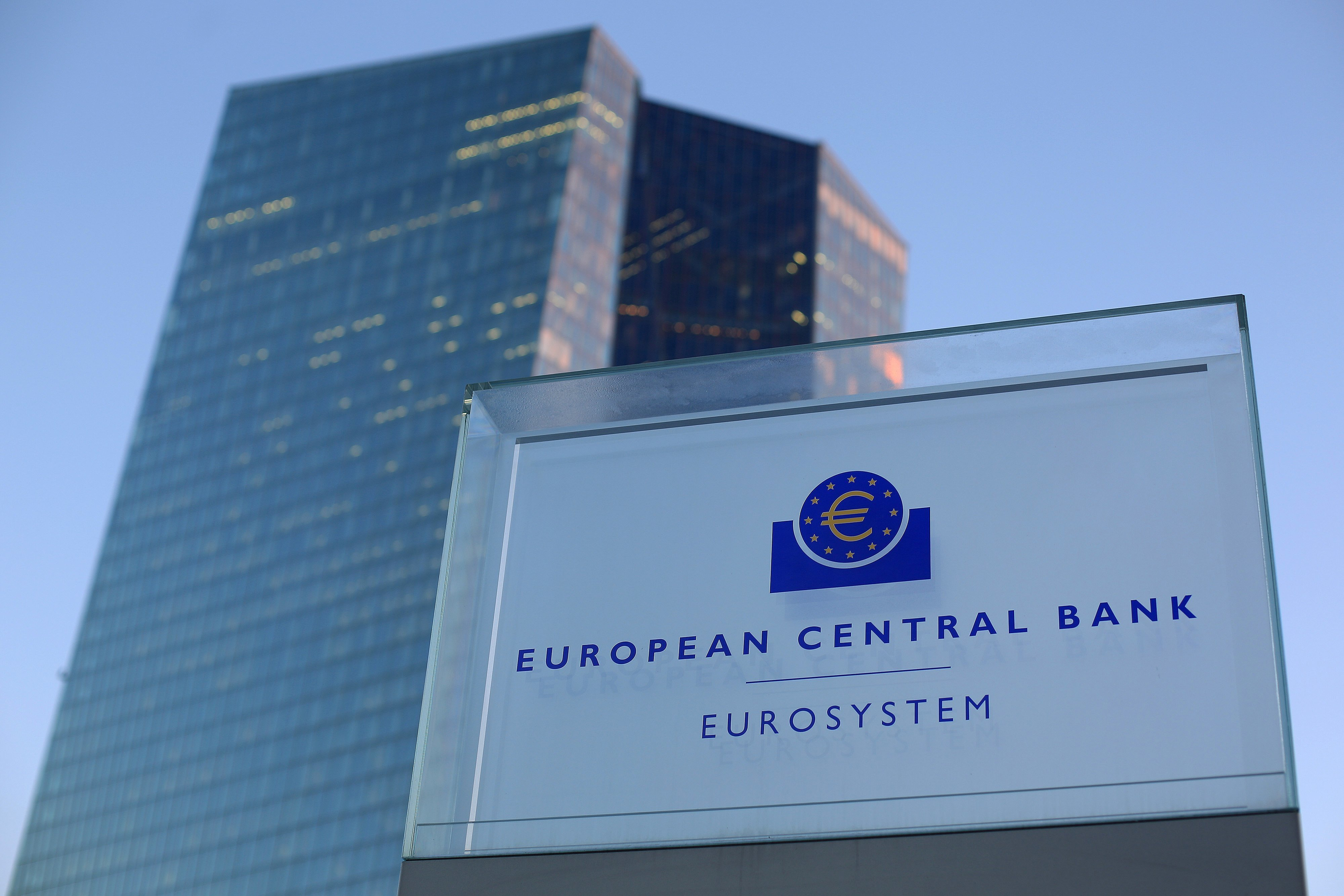
The European Central Bank (ECB) is expected to deliver its third interest rate cut of the year during its meeting this Thursday, as policymakers express growing confidence that inflation is easing faster than anticipated. Recent data indicates that inflationary pressures in the euro area have continued to soften, further bolstering expectations for a rate reduction.

In September, headline inflation in the eurozone dropped to 1.8%, falling below the ECB’s 2% target. Core inflation, which excludes volatile components like energy and food, reached a two-and-a-half-year low of 2.7%, signaling that the ECB’s tightening measures have been effective in curbing price growth.

Declining Inflation and Rate Cuts

The ECB had already implemented two 25-basis-point interest rate cuts earlier this year — one in June and another in September — bringing the central bank’s deposit facility rate from a record high of 4% to 3.5%. These cuts followed a sustained period of high inflation driven by global energy prices and supply chain disruptions.

Given the improving inflation outlook, money markets are now predicting another 25-basis-point cut during the October meeting, with further expectations of an additional reduction to 3% by the ECB’s final meeting of the year in December.

Recent dovish remarks from ECB officials, coupled with cooler inflation figures from key eurozone countries like Germany, have solidified the expectation of back-to-back rate reductions. Francois Villeroy de Galhau, Governor of the Bank of France, stated last week that a rate cut in October was “very likely” and hinted that this cut would not be the last in the current cycle.

Victory Over Inflation in Sight?

ECB President Christine Lagarde signaled a shift in policy during her address to European Union parliamentarians last month. She expressed optimism that inflation was on track to return to the ECB’s target, signaling a potential “pivot” in the central bank’s approach to monetary policy. This contrasts with her more cautious stance during the Sept. 12 meeting, where she emphasized a gradual approach to easing.

Even Joachim Nagel, head of Germany’s Bundesbank and a known hawk on inflation, acknowledged the positive trend, suggesting he would be open to discussing another rate cut.

Economic Weakness and Growth Concerns

In addition to easing inflation, the eurozone economy continues to face significant challenges. Economic activity remains sluggish, with the latest composite purchasing managers’ index (PMI) showing signs of stagnation for the third quarter. This follows a weak 0.3% growth in the second quarter.

The prolonged period of tight monetary policy has exerted downward pressure on growth, with sectors like German manufacturing facing competitiveness issues. Economists, such as Jack Allen-Reynolds from Capital Economics, have revised their forecasts to predict ongoing rate cuts until the ECB’s deposit rate reaches 2.5%. This projection also reflects a cooling labor market and slower wage growth, which should help reduce services inflation in the coming months.

The ECB’s own projections have also been revised downward, with the bank now expecting 0.8% GDP growth for the eurozone in 2024, slightly lower than the 0.9% previously forecast.

A Careful Balance

Despite the growing momentum for rate cuts, some analysts caution that the ECB risks overreacting by easing monetary policy too aggressively. Holger Schmieding, chief economist at Berenberg, warned that while inflation may not be a major issue in 2025, the central bank could face renewed inflationary pressures in 2026 and 2027. He argues that if the ECB lowers rates too quickly, it may have to raise them again in the future to prevent wage inflation and increased consumer demand from pushing prices higher.

Schmieding also predicted that Lagarde is unlikely to push back against market expectations for a December cut during her press conference on Thursday, effectively solidifying the likelihood of continued easing in the months ahead.

Looking Forward

As the ECB navigates this critical juncture, the global economic environment remains a significant factor. The recent 50-basis-point rate reduction by the U.S. Federal Reserve has heightened expectations for faster monetary easing across the globe, putting additional pressure on the ECB to follow suit.

Economists at Bank of America Global Research believe that this week’s rate cut could mark the beginning of a broader trajectory that sees rates lowered to 2% by June 2025 and further to 1.5% by the end of 2025. However, the ECB is expected to maintain its data-dependent and meeting-by-meeting approach, avoiding any definitive long-term commitments.

With the eurozone’s inflation risks appearing to subside and growth concerns still prevalent, the ECB faces the delicate task of balancing monetary easing with the need to avoid reigniting inflationary pressures down the line.