Yazılar

Japan’s Ruling Party to Elect New Leader, Next Prime Minister

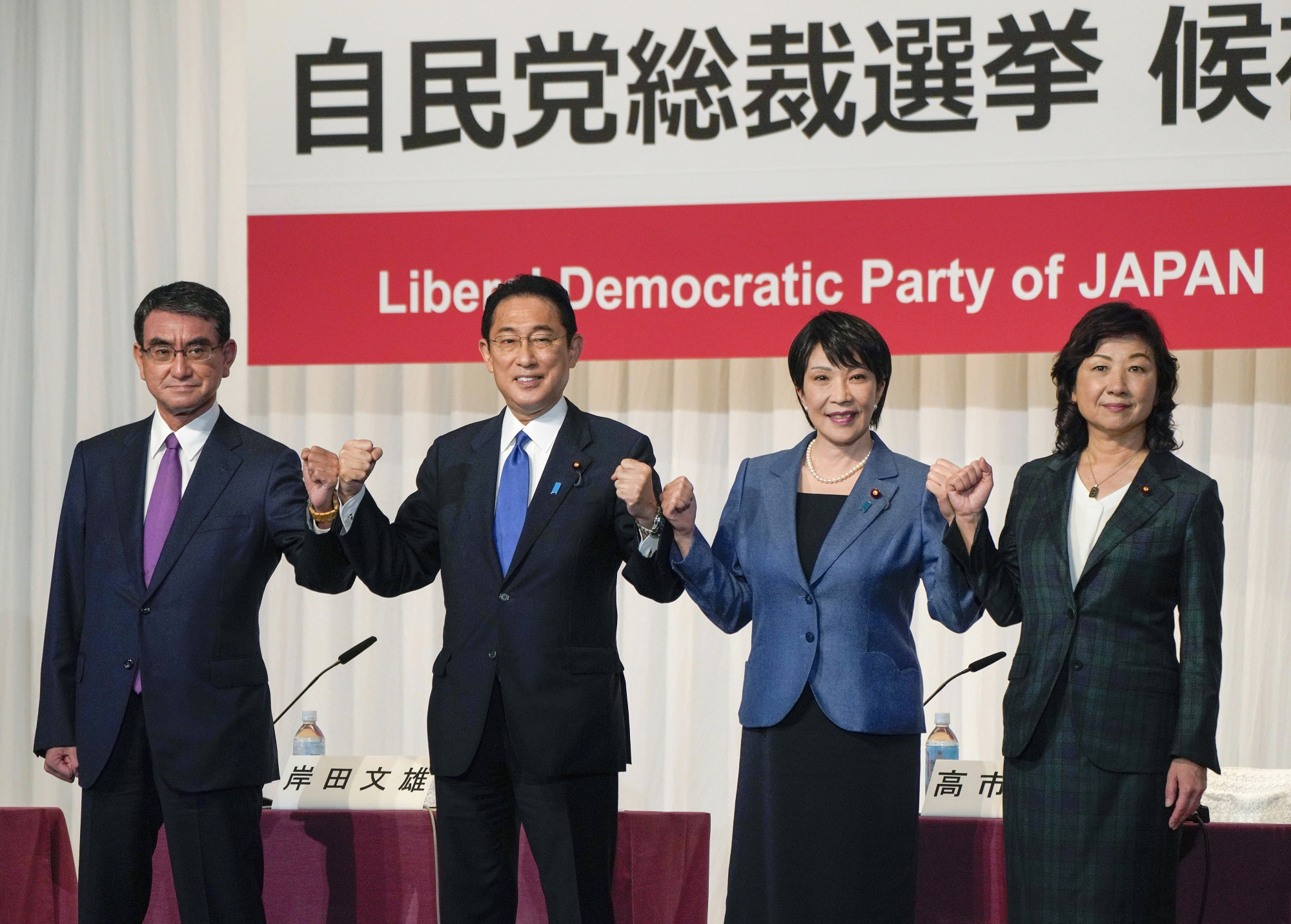
Japan’s ruling Liberal Democratic Party (LDP) will vote on Friday to elect the successor to Prime Minister Fumio Kishida, determining the country’s next leader. This election is historic, with nine candidates vying for the top position, making it one of the most competitive races in Japan’s recent political history. The outcome could result in the nation’s youngest or first female prime minister, or it could see a veteran politician finally achieve the role.

Kishida surprised many by announcing in August that he would not seek reelection, ending his three-year tenure as prime minister. The LDP’s new leader will automatically become the next prime minister, as the party holds a majority in both houses of Japan’s legislature. A parliamentary vote to confirm the new prime minister is set for October 1.

The leading candidates include former environment minister Shinjiro Koizumi, economic security minister Sanae Takaichi, and ex-defense minister Shigeru Ishiba. Ishiba, 67, is running for the position for the fifth time. He supports the Bank of Japan’s gradual interest rate hikes and has advocated for the formation of an “Asian NATO” to counter regional threats from China and North Korea.

Takaichi, 63, one of two female candidates, has called for increased fiscal stimulus and stronger policies in diplomacy and defense. Koizumi, at 43, would be Japan’s youngest post–World War II prime minister. Despite his limited government experience, he has pledged social and economic reforms and greater transparency within the LDP.

If no candidate secures a majority in the first round, a run-off will be held between the two top contenders.

The new leader will face significant challenges, including guiding Japan through its economic transition after three decades of stagnation, addressing diplomatic tensions with China, and confronting a looming demographic crisis due to an aging population. Japan’s future leadership will also need to navigate potential global uncertainties, such as a possible second Trump administration in the U.S. and shifting international alliances.

 

Why Japan’s Workaholics May Not Embrace a Four-Day Workweek

Japan has been promoting the adoption of a four-day workweek, but its deep-rooted work culture poses significant challenges to this initiative. The government has been pushing for a “work style reform” campaign, aiming to promote flexible work schedules and limit overtime hours. Despite these efforts, only 8% of companies in Japan allow employees to take three or more days off per week, according to the Ministry of Health, Labor, and Welfare.

Cultural and social pressures play a major role in Japan’s work ethic. Tim Craig, a professor and expert on Japanese culture, explained that many Japanese see work as a positive aspect of life and feel social pressure to work longer hours. Colleagues who leave early may face judgment, and others may be forced to pick up the slack, making early departures socially awkward. This sense of loyalty and community within the workplace fosters longer, though not necessarily efficient, working hours.

The impact of Japan’s work culture on health has been widely documented, with the health ministry reporting an increase in cases of karoshi—death from overwork. In 2022, 2,968 people died from overwork-related suicide, up from 1,935 in 2021. Reports also highlighted that 10.1% of men and 4.2% of women work over 60 hours a week, with the phenomenon not being exclusive to Japan.

Despite the slow progress, some companies like Microsoft Japan and Panasonic have introduced a four-day workweek. However, adoption remains low, with only about 150 of Panasonic’s 63,000 eligible employees opting in. Experts, such as Hiroshi Ono from Hitotsubashi University, believe the change will take time, as Japanese workers and traditional companies are not accustomed to flexible work arrangements.

SMBC, a major brokerage firm, introduced the four-day workweek in 2020 but limited its availability to employees aged 40 and above, primarily for family care or career development. The option is also restricted to those in their fourth year of employment, reflecting the cautious approach many companies are taking toward the initiative.

While adoption rates remain slim, the government’s efforts to push work-life balance are making headway. Companies are now more aware of the health risks associated with overwork, and policies limiting excessive overtime have been more strictly enforced. Though slow, the shift toward flexible work schedules could eventually bring about broader change in Japan’s work culture.


Quad Expands Maritime Security Cooperation at Biden’s Final Summit

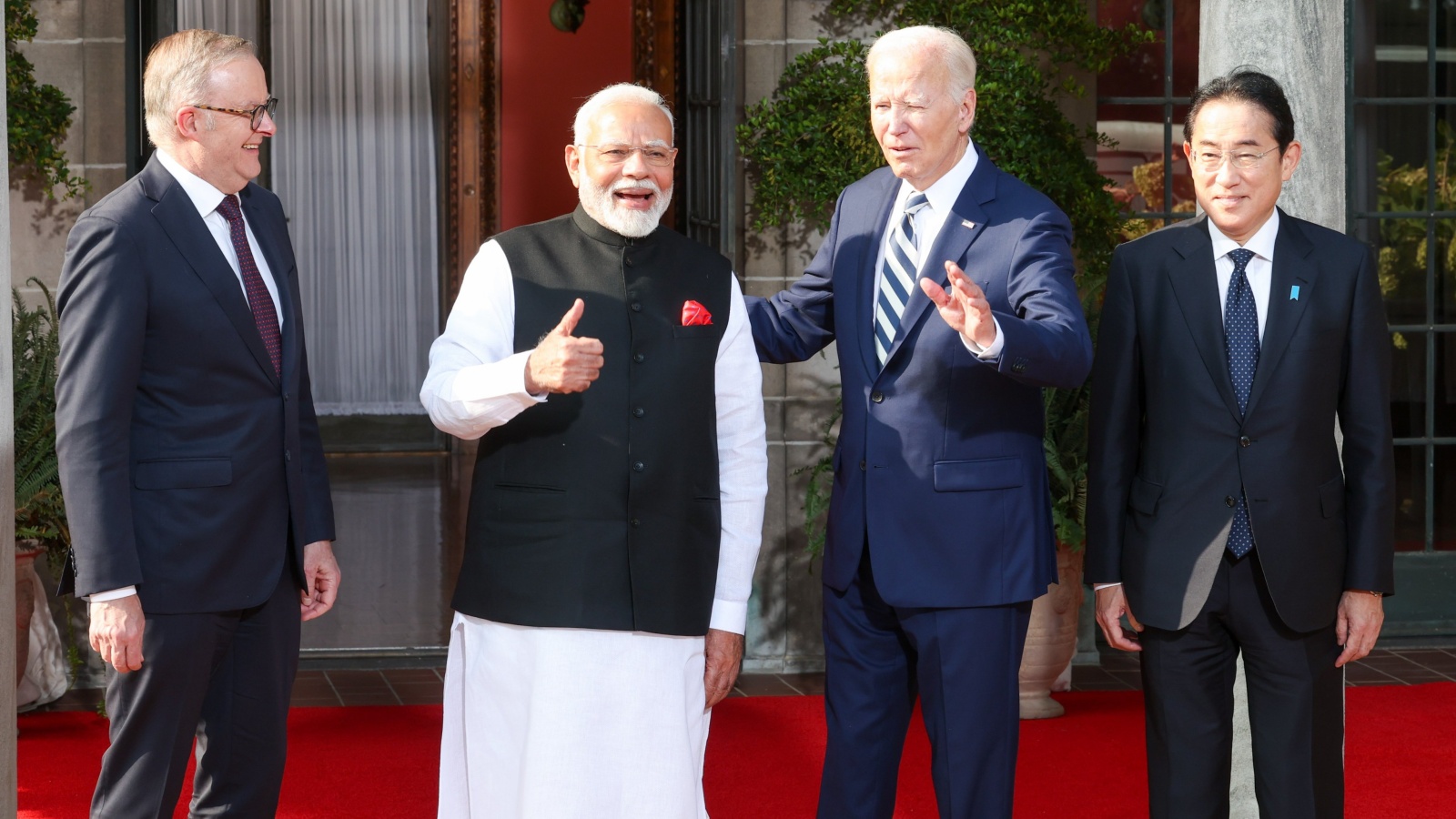
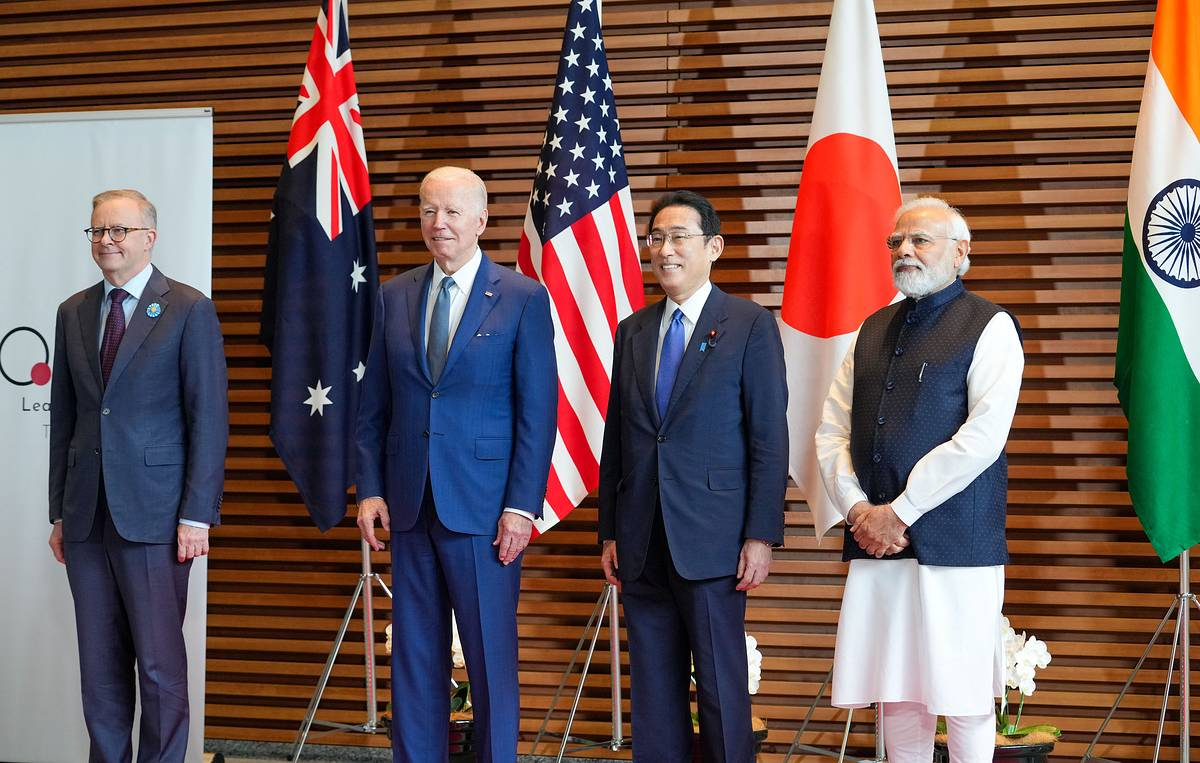
Leaders of the Quad nations—Australia, India, Japan, and the United States—strengthened joint security measures in the strategically vital Indo-Pacific region during U.S. President Joe Biden’s final summit as president. The meeting, held near Biden’s Delaware hometown on Saturday, focused on maritime cooperation, reflecting shared concerns over China’s assertiveness in Asia’s waters.

Biden, alongside Japanese Prime Minister Fumio Kishida, Indian Prime Minister Narendra Modi, and Australian Prime Minister Anthony Albanese, highlighted the importance of maintaining the Quad partnership, which he considers a key foreign policy success of his presidency. The group announced plans for joint coast guard operations next year, with Australian, Japanese, and Indian personnel set to work aboard a U.S. coast guard vessel. Enhanced military logistics cooperation was also discussed, although the exact locations of these operations were not specified.

The leaders plan to expand the Indo-Pacific Partnership for Maritime Domain Awareness, initially launched two years ago. This move signals a shift in the Quad’s focus toward security, a response to increasing concerns about China’s influence in the region. In their joint statement, the leaders condemned “coercive and intimidating maneuvers” in the South China Sea, although they avoided directly naming China. Analysts believe the Quad’s maritime initiatives send a clear message to Beijing, which views the Quad as an attempt to encircle China and increase regional tensions.

Picture background

Biden acknowledged that while China may be adjusting its tactics, its strategy remains unchanged, continuing to challenge the U.S. in the South and East China Seas and the Taiwan Strait. He suggested that Chinese President Xi Jinping is prioritizing domestic economic issues while seeking diplomatic space to advance China’s interests.

China claims nearly the entire South China Sea, overlapping with territories claimed by the Philippines, Brunei, Malaysia, and Vietnam, as well as contested areas in the East China Sea with Japan and Taiwan. The Quad leaders also took a firm stance on North Korea, condemning its missile launches and “malicious cyber activity,” while expressing concern over Russian support for North Korea.

In addition to security, the Quad is expanding its efforts in critical technologies, including an open radio access network, to benefit the Pacific Islands and Southeast Asia—regions where competition with China is intensifying. A new health initiative aimed at combating cervical cancer was also announced.

India, which has traditionally been cautious about military alliances, is reportedly becoming more open to Quad security cooperation in light of China’s recent maritime actions. Lisa Curtis, an Asia policy expert, suggested that India’s stance on the Quad’s military role could be evolving due to these increasing tensions.

Biden’s hosting of the summit is seen as part of an effort to institutionalize the Quad as a lasting framework, especially as leadership transitions approach in Japan, Australia, and the U.S. Asked about the Quad’s future, Biden confidently declared the group “here to stay.”

Australian Prime Minister Albanese praised the Quad’s joint coast guard initiative, emphasizing the importance of interoperability between the four nations. Before the summit, Albanese met with Biden at his home to discuss defense and security cooperation, particularly in the Indo-Pacific.

Since its elevation to a leader-level group in 2021 under Biden, the Quad has enjoyed bipartisan support in the U.S., exemplified by the formation of a congressional Quad Caucus ahead of the summit.