
Yazılar

Couche-Tard’s Bid for 7-Eleven Seen as Strategic Move for ‘Cheap’ Stock, Amid Regulatory Concerns

Alimentation Couche-Tard’s recent bid to acquire 7-Eleven’s parent company, Seven & i Holdings, has sparked discussions within the financial world about the strategic motives behind the deal. According to industry analysts, the Canadian retail giant, which operates Circle K, views Seven & i as an undervalued stock, making it an attractive target for acquisition. Richard Kaye, a portfolio manager at Comgest, remarked that despite Seven & i’s robust core business, Couche-Tard likely sees an opportunity for a financially advantageous acquisition.

The acquisition, if successful, would be one of the largest foreign takeovers of a Japanese company. Although the offer amount remains undisclosed, U.S. investment firm Artisan Partners Asset Management has urged Seven & i to seriously consider the buyout offer. The move comes as the Japanese conglomerate is undergoing a restructuring process aimed at expanding 7-Eleven’s global reach and divesting from its underperforming supermarket divisions.

Despite Couche-Tard’s strong financial position, with a valuation of $54 billion compared to Seven & i’s $38.3 billion, the deal faces significant regulatory challenges. Particularly, antitrust scrutiny is anticipated in both the U.S. and Japan, given the size and scope of the companies involved. Retail analyst Bryan Gildenberg commented that regulatory approval may require divestments to address competition concerns, especially in the U.S. market.

Picture background

In Japan, Seven & i is reportedly seeking designation as a “core” company under the country’s Foreign Exchange and Foreign Trade Act, which could complicate the acquisition. This designation would subject the transaction to heightened scrutiny by Japan’s finance ministry, reflecting concerns about potential disruptions to 7-Eleven’s well-established convenience store model, known as “konbini” in Japan.

While Couche-Tard’s interest in Seven & i stems from the Japanese firm’s perceived undervaluation, the deal also highlights a broader trend of global companies seeking undervalued opportunities within Japan’s stock market. Kaye noted that despite the strong operational performance of companies like Seven & i, Fast Retailing, and Pan Pacific International Holdings, they trade at lower valuations than their global counterparts, making them attractive investments for firms like Couche-Tard.

However, the potential regulatory roadblocks and the preservation of Seven & i’s unique business model remain key challenges in completing the deal. If successful, the acquisition could reshape the global convenience store landscape and further expand Couche-Tard’s footprint beyond North America, into one of the world’s largest retail markets.

Japan and Tokyo Governments Eye $4.7 Billion Valuation for Tokyo Metro in Upcoming IPO

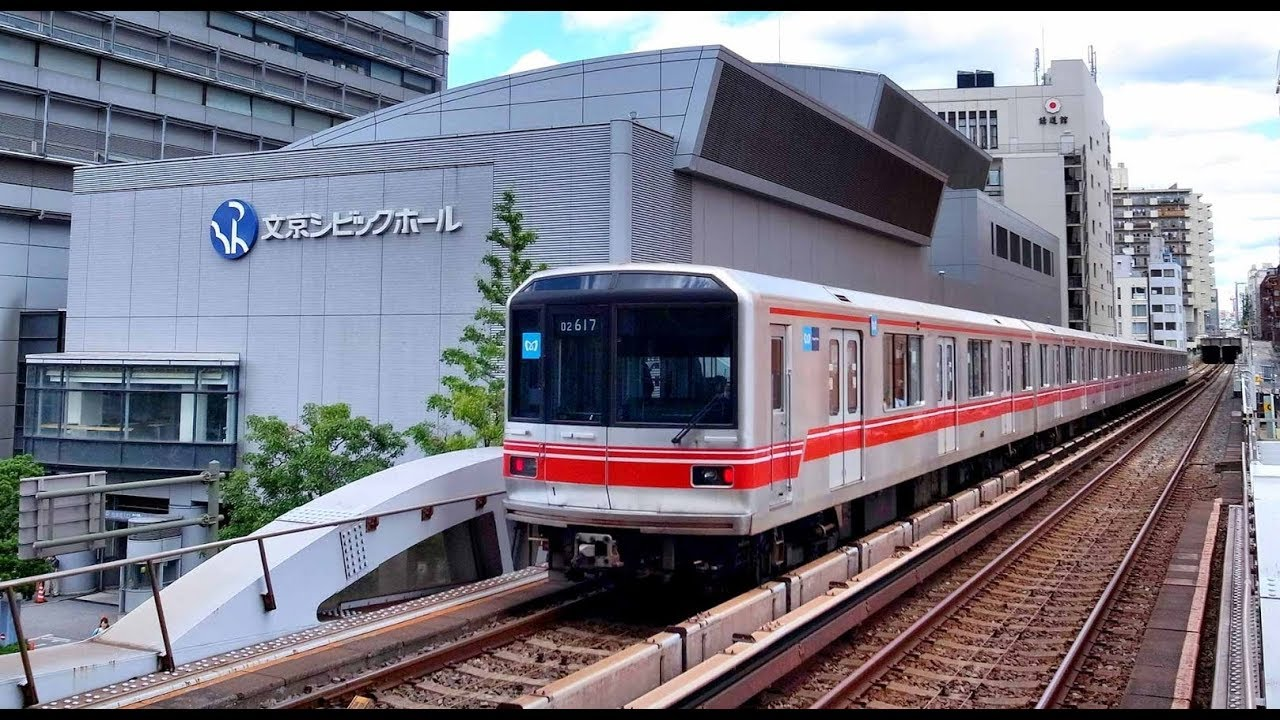
Japan’s national and Tokyo governments are targeting a 700 billion yen ($4.7 billion) valuation for Tokyo Metro as they gear up for what could be the nation’s largest initial public offering (IPO) in nearly six years. The listing, expected to take place as early as late October, will see the sale of half of the company, potentially raising 350 billion yen. This IPO is poised to surpass the size of Kokusai Electric’s IPO last year and become the biggest since SoftBank Group listed its wireless unit in 2018.

Currently, the two governments own 100% of Tokyo Metro, with the central government holding a 53.4% stake and the Tokyo government owning the remaining 46.6%. The funds from the IPO will be used by the central government to repay reconstruction bonds issued after the devastating 2011 earthquake and tsunami. As they move forward with the listing, the governments plan to brief brokerages within the week and anticipate approval from the Tokyo Stock Exchange by mid-September.

Tokyo Metro, with a rich history dating back to 1920, operates 195 kilometers (120 miles) of subway lines that serve 6.5 million passengers daily. The company has diversified its business to include real estate and retail, and it reported a significant rise in net profit to 46 billion yen for the financial year ending in March 2024, as Japan’s economy rebounded from the COVID-19 pandemic.

Nomura, Mizuho, and Goldman Sachs have been appointed as the joint global coordinators for the listing, which is set to mark a significant moment in Japan’s financial and infrastructure sectors.

Japan’s Largest Pension Fund Turns Attention to Bitcoin, Reflecting Growing Crypto Interest

GPIF: Controlling $1.4 Trillion in Assets, Japan’s Largest Pension Fund Eyes Bitcoin Devamını Oku