Yazılar

World’s First Wooden Satellite, Developed in Japan, Heads to Space

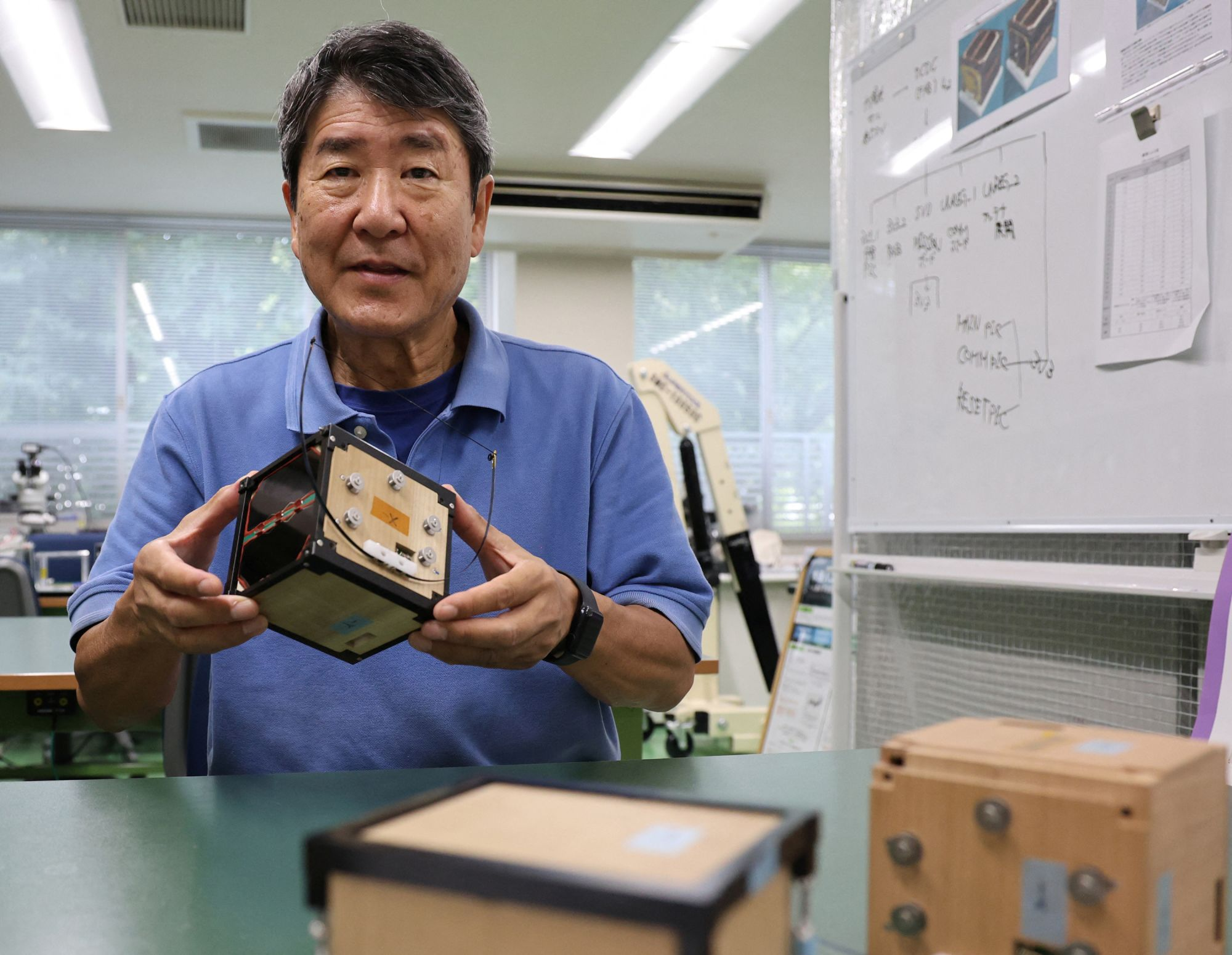
The world’s first wooden satellite, crafted by researchers in Japan, was launched into space on Tuesday, marking a pioneering step in exploring the use of timber for lunar and Martian missions.

LignoSat, developed by Kyoto University in collaboration with homebuilder Sumitomo Forestry, is on a SpaceX mission to the International Space Station (ISS), from where it will be released into orbit approximately 400 kilometers (250 miles) above Earth. Named after the Latin term for “wood,” LignoSat is designed to assess the potential of renewable materials for long-term human habitation in space.

Takao Doi, an astronaut and human space activities researcher at Kyoto University, emphasized the significance of using timber: “With timber, a material we can produce by ourselves, we will be able to build houses, live, and work in space forever.” His team envisions a 50-year initiative focused on planting trees and constructing timber habitats on the Moon and Mars, prompting the development of this NASA-certified wooden satellite to validate the viability of wood as a space-grade material.

Koji Murata, a forest science professor at Kyoto University, noted, “Early 1900s airplanes were made of wood. A wooden satellite should be feasible, too.” He added that wood might actually perform better in space conditions, as it is less prone to rot or combustion without the presence of water or oxygen.

The environmental benefits of a wooden satellite are also significant, as it would produce less pollution upon decommissioning. Current metal satellites must re-enter the atmosphere to prevent space debris; during this process, they generate aluminum oxide particles. In contrast, wooden satellites would simply burn up, resulting in a cleaner re-entry, according to Doi, who suggested that “metal satellites might be banned in the future.”

Industrial Applications
The research team determined that honoki, a magnolia species native to Japan and traditionally used for sword sheaths, is the most suitable material for space applications after a 10-month study on the ISS. LignoSat is constructed using traditional Japanese craft techniques, without the use of screws or glue.

Once deployed, LignoSat will orbit the Earth for six months, with onboard electronics monitoring how wood withstands the extreme conditions of space, where temperatures can vary from -100 to 100 degrees Celsius (-148 to 212 degrees Fahrenheit) every 45 minutes as it transitions between light and darkness.

Additionally, LignoSat will evaluate wood’s effectiveness in shielding semiconductors from space radiation, which could have practical implications for constructing data centers, according to Kenji Kariya, a manager at Sumitomo Forestry’s Tsukuba Research Institute. He remarked, “It may seem outdated, but wood is actually cutting-edge technology as civilization heads to the Moon and Mars. Expansion into space could invigorate the timber industry.”
 

Nihon Hidankyo Wins 2024 Nobel Peace Prize

Japanese organization Nihon Hidankyo, a movement representing atomic bomb survivors from Hiroshima and Nagasaki, has been awarded the 2024 Nobel Peace Prize. The prestigious award recognizes the group’s unwavering commitment to the abolition of nuclear weapons and their efforts to warn the world about the catastrophic consequences of their use.

Formed by survivors, known in Japan as “hibakusha,” Nihon Hidankyo has long fought for a nuclear-free world, sharing harrowing personal testimonies of the devastation wrought by the only two nuclear bombs ever used in conflict.

The Norwegian Nobel Committee praised the group for its determination to achieve a world without nuclear weapons. In their citation, they acknowledged the survivors’ ability to “describe the indescribable” and communicate the “incomprehensible pain and suffering caused by nuclear weapons.”

Hibakusha: Voices of the Nuclear-Free Movement

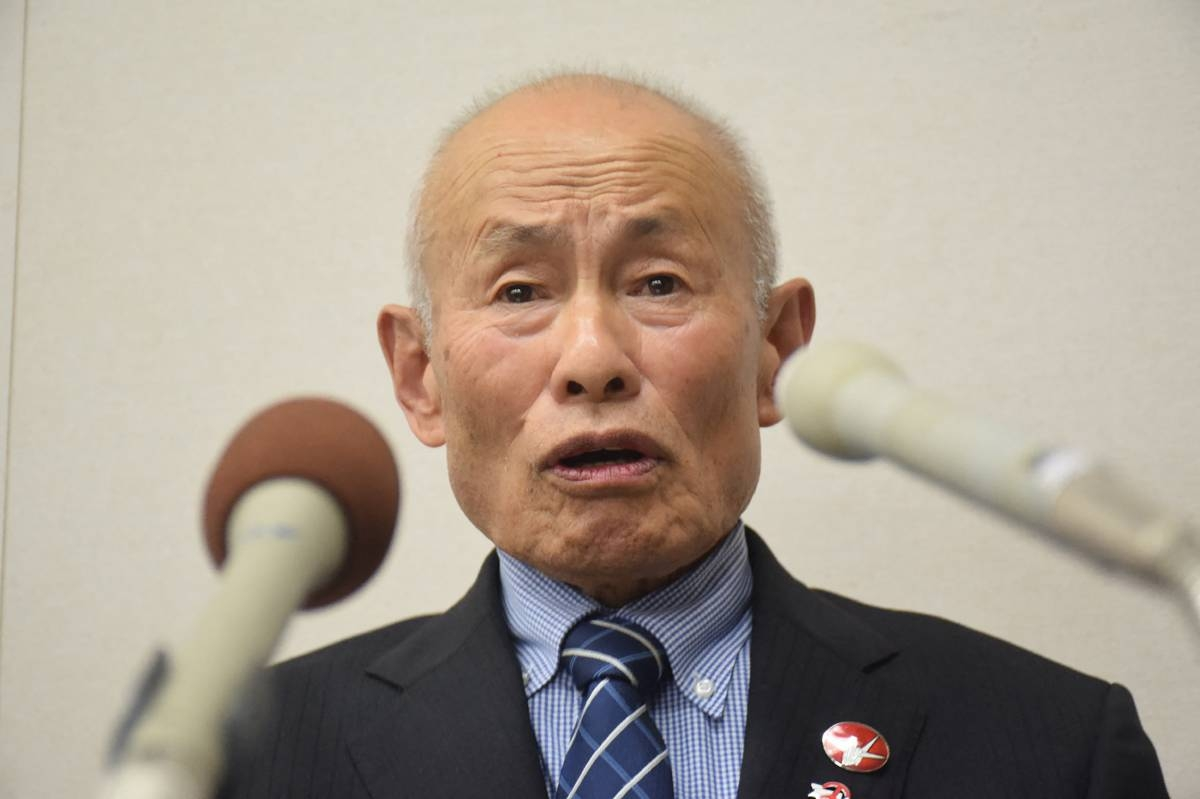
Toshiyuki Mimaki, co-chair of Nihon Hidankyo and a survivor of the Hiroshima bombing, expressed his disbelief and deep emotion upon receiving the news. “I can’t believe it’s real,” he said, speaking from Hiroshima, where the first atomic bomb was dropped on August 6, 1945. He hopes that the recognition will strengthen their message to the world that nuclear weapons can, and must, be abolished. “This will be a great force to appeal to the world that the abolition of nuclear weapons and everlasting peace can be achieved.”

In Japan, hibakusha have faced years of discrimination due to the visible scars left by radiation burns and the diseases caused by radiation exposure, including leukemia. Many survivors, now averaging 85.6 years of age, have dedicated their lives to ensuring that the horrors they experienced are never repeated. As of March 2023, there were 106,825 registered atomic bomb survivors in Japan.

Warning to Nuclear Nations

Joergen Watne Frydnes, chair of the Norwegian Nobel Committee, used the occasion to send a stark warning to nuclear-armed nations. Without naming specific countries, he emphasized the dangers posed by the current global climate, where nuclear threats have been growing more common. “We wanted to highlight the importance of strengthening the nuclear taboo,” Frydnes said, referencing the international norm against the use of nuclear weapons.

He further criticized the ongoing modernization and upgrading of nuclear arsenals, which, he said, weakens the global resolve against their use. “Nuclear war could mean the end of humanity, the end of our civilization,” Frydnes added, urging the world to heed the “painful and dramatic stories of the hibakusha.”

Recent nuclear threats from global leaders, including Russian President Vladimir Putin and North Korean leader Kim Jong Un, have heightened international concerns. Putin has repeatedly mentioned the possibility of using nuclear weapons in the context of Russia’s war in Ukraine, while Kim has declared his intent to build North Korea into a nuclear superpower. The growing tension in the Middle East has also raised concerns about Iran’s nuclear ambitions.

A Sobering Reminder

The Nobel Committee’s decision to honor Nihon Hidankyo arrives just before the 80th anniversary of the U.S. atomic bombings of Hiroshima and Nagasaki, which killed over 200,000 people and brought World War II to a close. Dan Smith, head of the Stockholm International Peace Research Institute, stated that this award draws attention to the dangerous escalation of nuclear tensions worldwide and the importance of preserving nearly 80 years without the use of such weapons. He called Nihon Hidankyo “an important voice to remind us about the destructive nature of nuclear weapons.”

The award echoes previous Peace Prizes, including those to Elie Wiesel in 1986 and Russia’s Memorial in 2022, both of which emphasized the importance of remembering the past to prevent future atrocities. In 2017, the Nobel Committee similarly honored the International Campaign to Abolish Nuclear Weapons (ICAN), further highlighting the global struggle against nuclear armament.

Japan’s Second Nobel Peace Prize

This recognition marks the second time a Japanese recipient has won the Nobel Peace Prize. The first was awarded to former Prime Minister Eisaku Sato in 1974 for his role in signing the Nuclear Non-Proliferation Treaty and stabilizing the Pacific Rim. Nihon Hidankyo’s victory not only honors Japan’s historical contributions to peace but also reaffirms the nation’s commitment to a nuclear-free future.

The Nobel Peace Prize, worth 11 million Swedish crowns (approximately $1 million), will be presented in Oslo on December 10, the anniversary of the death of Alfred Nobel, the Swedish industrialist who established the Nobel Prizes through his 1895 will.

WWII American Bomb Explodes at Japanese Airport, Creating Large Crater and Halting Flights

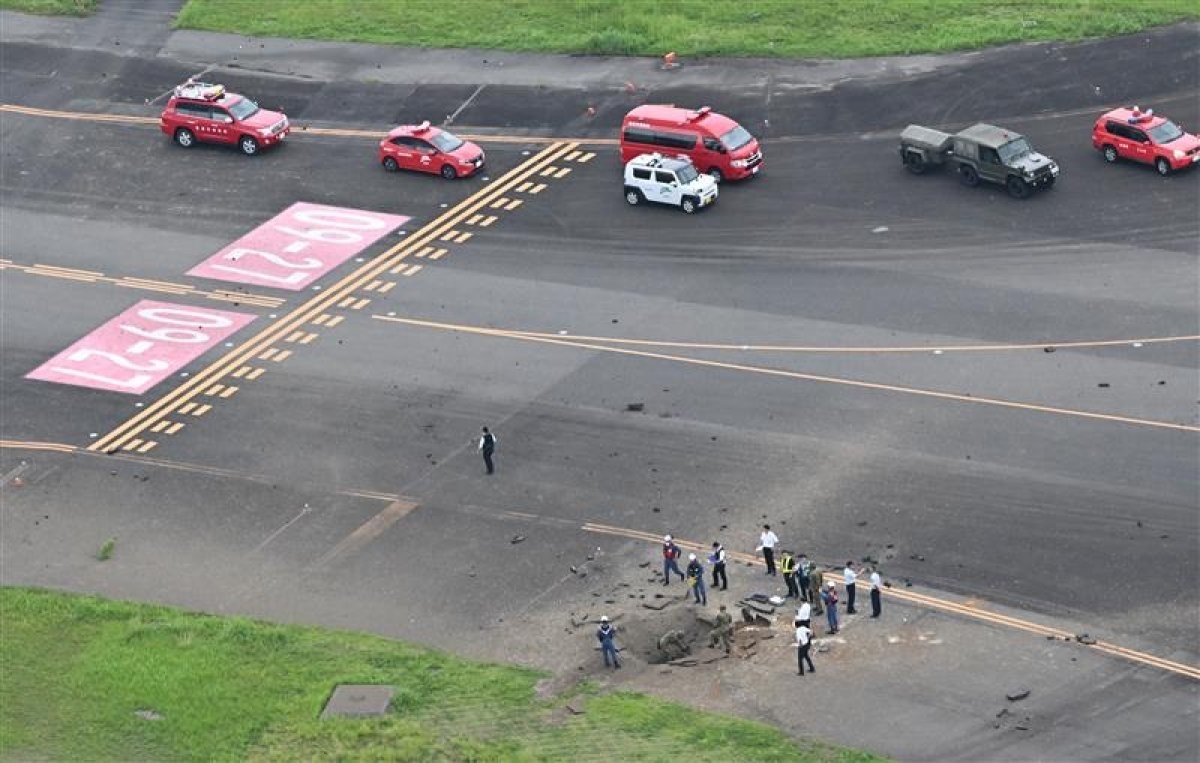
A buried American World War II bomb exploded at Miyazaki Airport in southwestern Japan on Wednesday, causing a large crater in a taxiway and leading to the cancellation of over 80 flights. Fortunately, no injuries were reported, according to Japanese officials.

The Land and Transport Ministry confirmed that there were no aircraft near the site when the bomb, weighing 500 pounds, suddenly detonated. Investigations by the Self-Defense Forces and police identified the explosive as an American bomb dropped during World War II. Officials are currently trying to determine the cause of its unexpected detonation, but they have assured the public that there is no further danger.

A video captured by a nearby aviation school revealed the dramatic explosion, with asphalt fragments shooting up into the air like a fountain. Further footage broadcast on Japanese television showed a crater approximately 7 meters (23 feet) in diameter and 1 meter (3 feet) deep on the airport’s taxiway.

The incident severely disrupted airport operations, with Chief Cabinet Secretary Yoshimasa Hayashi announcing the cancellation of more than 80 flights. Miyazaki Airport hopes to resume normal operations by Thursday morning.

The airport, originally constructed in 1943 as an Imperial Japanese Navy flight training field, holds historical significance as it was once a launch site for kamikaze pilots on suicide missions during the war. The area has seen several discoveries of unexploded bombs from U.S. military airstrikes conducted during WWII, according to officials from Japan’s Defense Ministry.

While Japan is known for its careful removal of wartime explosives, hundreds of tons of unexploded ordnance remain buried throughout the country. These bombs are occasionally discovered during construction work, and incidents like the one at Miyazaki Airport highlight the enduring impact of the war on Japanese infrastructure.