Yazılar

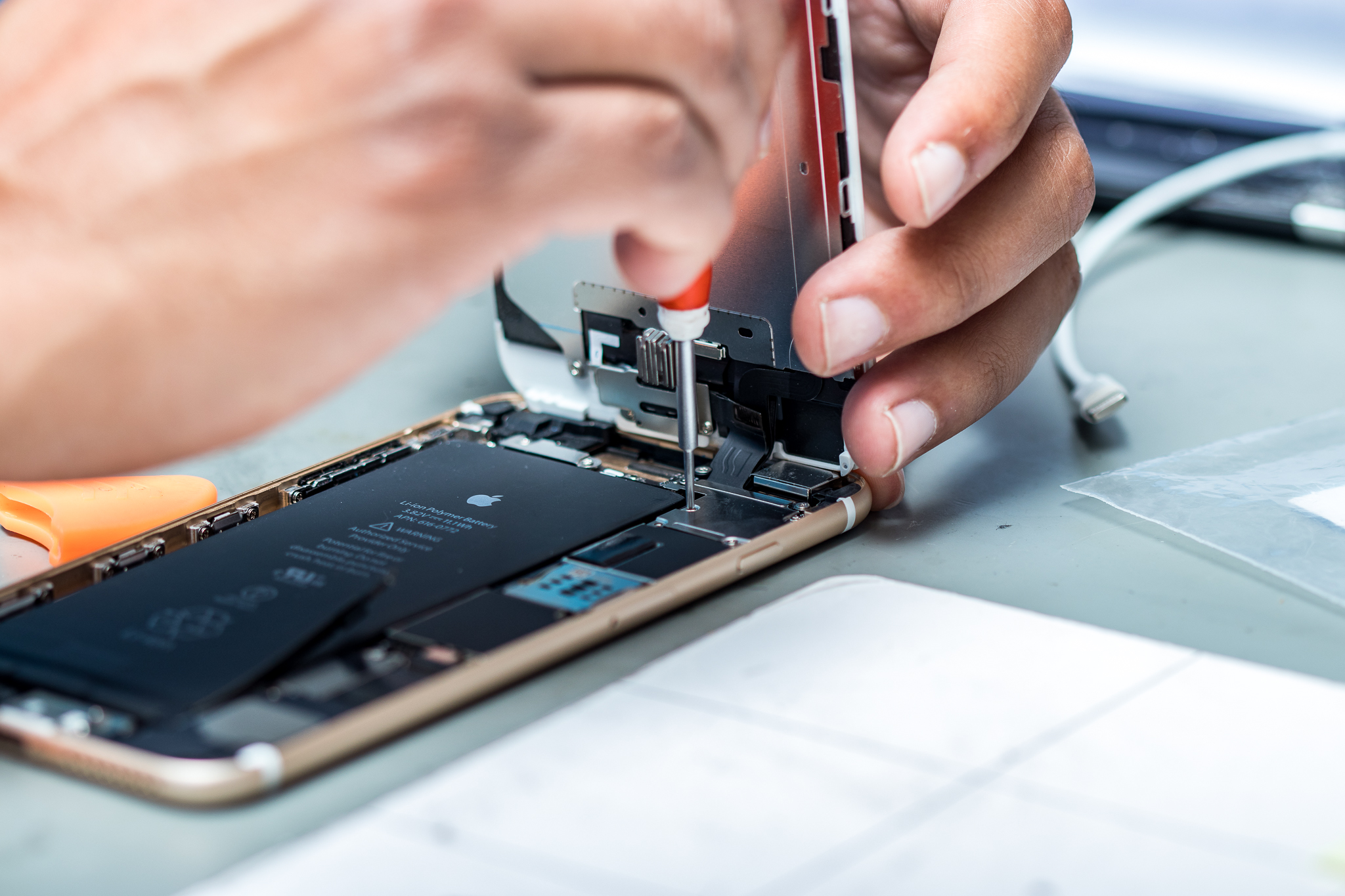
Apple Expands Partnership with Tata to Handle iPhone and MacBook Repairs in India

Apple has deepened its collaboration with India’s Tata Group by handing over the repair business for iPhones and MacBook devices to Tata, two sources familiar with the matter revealed. This move underscores Tata’s expanding role in Apple’s supply chain as the U.S. tech giant shifts more manufacturing and operations beyond China.

Tata, which already assembles iPhones and components at three facilities in South India, will take over after-sales repairs from an Indian unit of Taiwan-based Wistron, called ICT Service Management Solutions. The repairs will be conducted at Tata’s Karnataka campus, where it also handles iPhone assembly.

The repair market in India is growing rapidly alongside soaring iPhone sales. Counterpoint Research estimates about 11 million iPhones were sold in India last year, boosting Apple’s market share there from 1% in 2020 to 7% in 2024.

Industry experts suggest this increased trust in Tata could pave the way for Apple to sell refurbished devices directly in India, similar to its practice in the United States.

Currently, Apple’s official service centers in India handle basic repairs, but complex fixes will be routed to Tata’s facility. Wistron’s ICT unit will continue servicing other clients but will no longer handle Apple’s repairs.

India’s rising importance in Apple’s global supply chain is also highlighted by CEO Tim Cook’s recent statement that most iPhones sold in the U.S. during the June quarter will be made in Indian factories. This shift comes amid growing concerns over tariffs and supply chain diversification away from China.

Neither Apple, Tata, nor Wistron responded to requests for comment.

Apple Allegedly Expanding Hiring for Upcoming iPad, MacBook, and AirPods Manufacturing Plans

Apple is reportedly ramping up its hiring efforts across multiple cities in India, signaling a shift in its manufacturing strategy. The company has been assembling iPhones in the country since 2017, but now it seems set to expand its production to other key products, including the iPad and AirPods. By broadening its manufacturing footprint in India, Apple aims to reduce its reliance on China, strengthen its supply chain, and enhance operational resilience.

The new job listings indicate Apple’s intention to bolster its workforce in Bengaluru, Chennai, Delhi, and Hyderabad. The company is seeking employees for a range of roles, spanning hardware, software, retail, and online sales teams. This expansion reflects the company’s broader ambitions to scale up its operations in India, tapping into the country’s growing tech talent pool to support its manufacturing efforts.

According to sources, Apple plans to significantly increase its staffing levels, particularly with its supply chain partners such as Foxconn and Tata Electronics. The goal is to double the number of employees working with these partners, helping to facilitate the production of AirPods, iPads, and even MacBooks within the country. Reports suggest that Apple could start AirPods production at Foxconn’s Hyderabad facility as early as next month, marking a major milestone in its push to diversify its manufacturing base.

This move to produce more products in India is part of Apple’s larger strategy to reduce its dependency on China for manufacturing. By shifting some of its production lines to India, the tech giant aims to mitigate risks tied to geopolitical tensions and supply chain disruptions. The expansion of iPad and MacBook manufacturing in India will not only help Apple cater to the growing demand in the region but also position the company to meet export needs to other global markets.

UAE Pledges $1.4 Trillion Investment in U.S. Economy, White House Announces

The United Arab Emirates (UAE) has committed to a major 10-year, $1.4 trillion investment framework in the United States, signaling a deepening economic relationship between the two countries. This commitment, announced by the White House on Friday, comes after high-level meetings between UAE officials and President Donald Trump, highlighting the UAE’s expanding role in key sectors such as artificial intelligence (AI), semiconductors, energy, and manufacturing.

While the White House did not detail how the full $1.4 trillion would be invested, some deals under the framework have already been publicly disclosed. Notably, the UAE’s Emirates Global Aluminium announced plans to build the first new aluminum smelter in the U.S. in 35 years. This smelter would significantly boost U.S. aluminum production, nearly doubling its domestic capacity.

The UAE, a major oil producer and longstanding U.S. security partner, is increasingly focusing on diversifying its economy away from fossil fuels, with AI emerging as a critical area of investment. In addition to energy and manufacturing, the UAE is also positioning itself as a leader in the AI sector, aiming to capitalize on its technological growth to secure a more diversified economic future.

This agreement is part of a broader trend of increased Gulf investment in the U.S., exemplified by sovereign wealth funds like Abu Dhabi’s Mubadala, which already holds significant U.S. assets. The UAE’s push for more investments follows a pattern of heightened collaboration between the two nations, with previous discussions between UAE President Sheikh Mohamed bin Zayed Al Nahyan and former President Joe Biden emphasizing AI, space exploration, and investments.

In addition to the aluminum smelter project, one of the key partnerships under the new framework is between the UAE sovereign wealth fund ADQ and U.S. private equity firm Energy Capital Partners, which will focus on a $25 billion initiative to enhance energy infrastructure and data centers across the U.S.