Yazılar

Trump Victory Could Boost Elon Musk’s Vision of Mars Missions

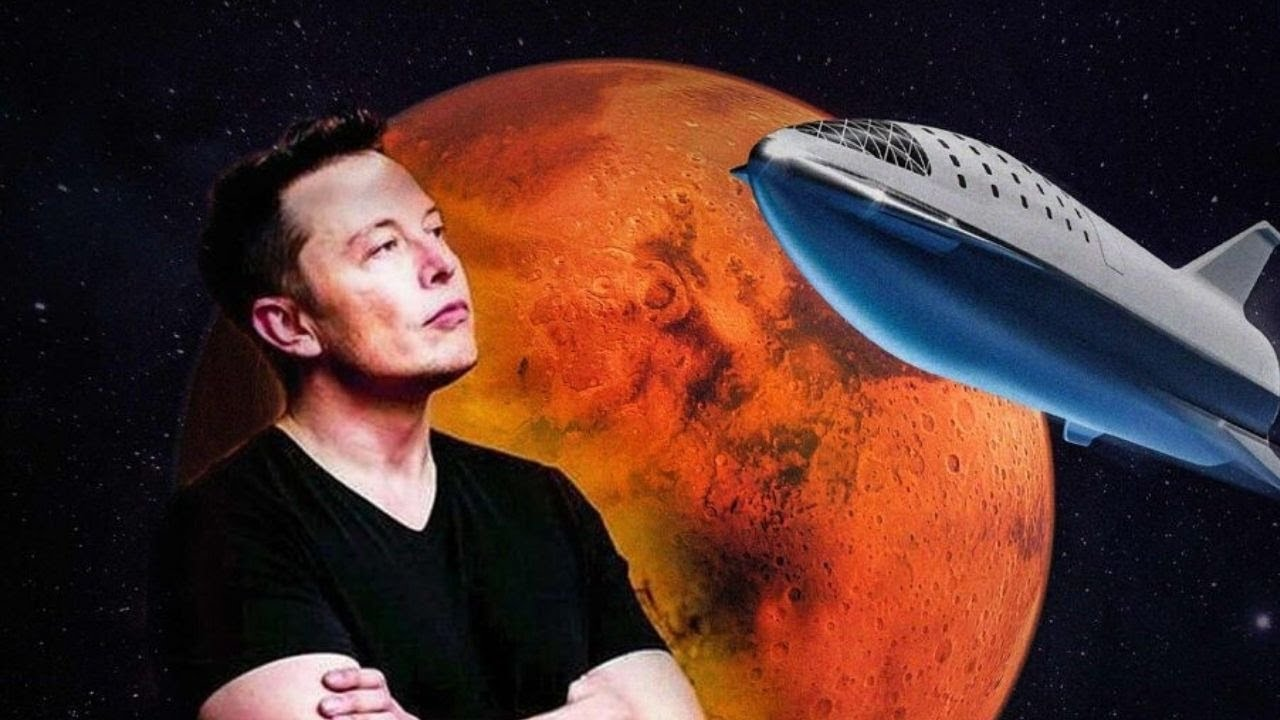
Elon Musk’s ambition to transport humans to Mars may gain momentum under President-elect Donald Trump, according to sources familiar with Trump’s space policy plans. NASA’s Artemis program, which involves Musk’s SpaceX Starship rocket, currently aims to place humans on the moon as a step toward Mars missions. Under the new administration, however, the program is expected to prioritize Mars more directly, with potential uncrewed missions as soon as this decade.

This shift aligns with Musk’s long-term goal of making Mars humanity’s next frontier. Known for wearing an “Occupy Mars” shirt at a Trump rally in October, Musk has strongly endorsed the incoming president, contributing $119 million to Trump’s campaign and heightening the visibility of space policy during the transition.

Sources indicate that the Trump administration’s approach to NASA will focus more intensively on Mars, seeing the moon as a mere “launching pad” for a Mars mission. Doug Loverro, a space industry consultant who led NASA’s human exploration unit during Trump’s previous term, notes that a Mars-centered agenda could make the Red Planet an explicit objective. Yet, an intensified Mars focus also poses increased financial and technical challenges, especially in comparison to lunar missions.

Trump’s influence on space policy isn’t new: he launched NASA’s Artemis program in 2019, which the Biden administration maintained. However, Trump’s advisers now plan to push for changes in Artemis to correct what they perceive as stagnation since their last administration. This could entail shifting from costly government contracts to fixed-price agreements with private companies, which would transfer greater responsibility—and risk—to firms like SpaceX.

Under Musk’s influence, the Trump administration may also look to reduce regulatory constraints, particularly at the Federal Aviation Administration (FAA). Musk has long voiced frustration over the FAA’s commercial space regulations, which he argues have delayed SpaceX’s Starship program. Deregulation could thus expedite private rocket launches, aiding Musk’s vision for Mars.

Such policy shifts may impact NASA’s $24 billion Space Launch System (SLS) rocket, a government-owned project led by Boeing and Northrop Grumman since 2011. If Artemis pivots toward Mars, the SLS program could face scrutiny, as critics argue it has drained NASA’s budget while struggling with delays. Nonetheless, canceling the program would be difficult due to the potential job losses and greater reliance on SpaceX for space missions.

Musk, who also heads Tesla and Neuralink, is known for setting ambitious timelines. He recently claimed that SpaceX could land Starship on Mars by 2026, with a crewed mission following by 2030. Trump has publicly discussed these Mars aspirations with Musk, although experts are cautious about the feasibility. Scott Pace, Trump’s top space policy official during his previous term, believes that while a one-way Starship mission to Mars might be achievable, a fully crewed mission remains unlikely within such a short timeline.

Plans for Musk’s Mars vision could change as the Trump transition team finalizes its policy agenda. For now, it appears that both Musk and Trump are aligned in their drive to push the boundaries of space exploration, targeting Mars as a significant goal for the near future.
 

NASA Reveals Prototype Telescope for LISA Mission to Detect Gravitational Waves from Space

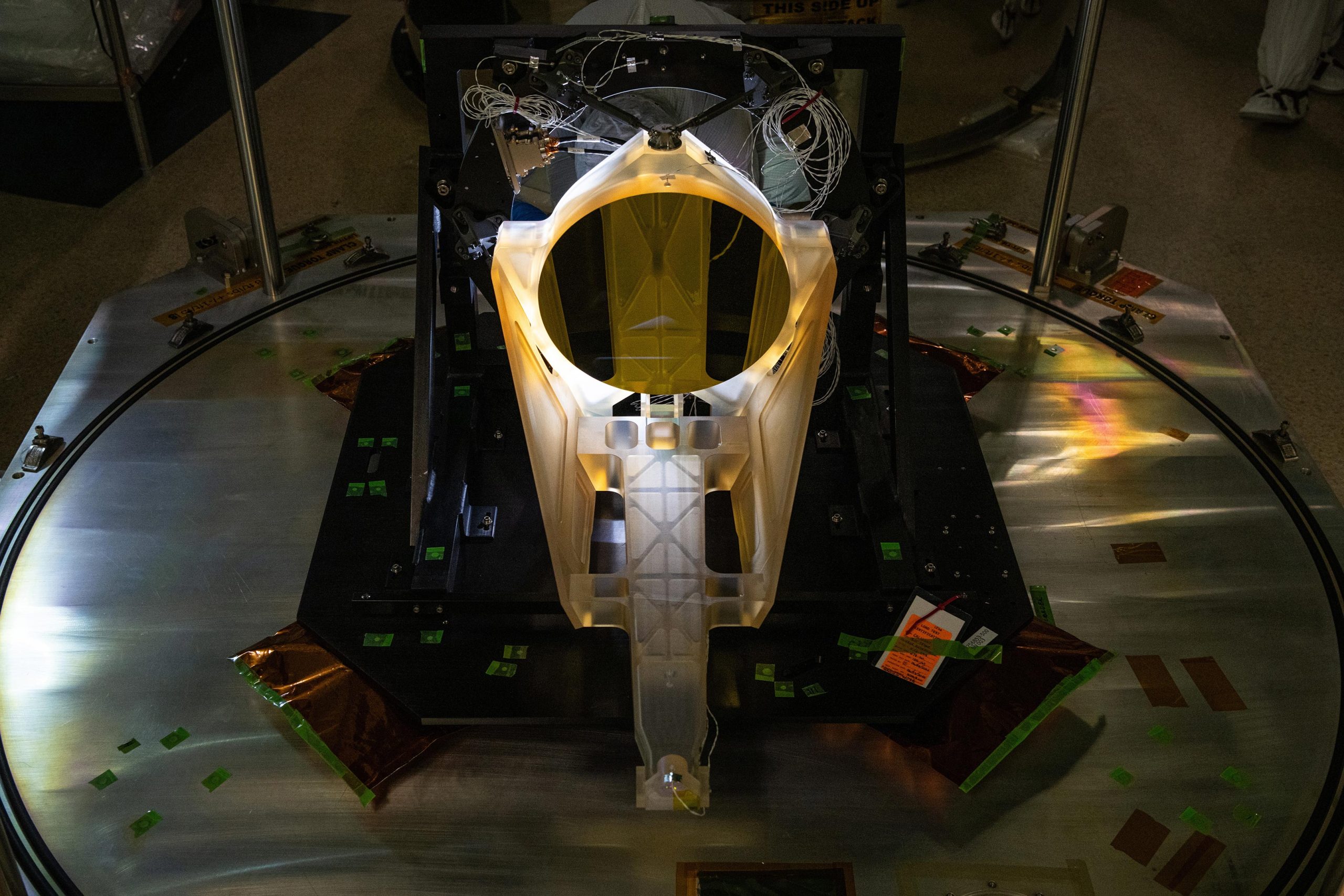
NASA has unveiled a full-scale prototype of the telescopes that will be integral to the LISA (Laser Interferometer Space Antenna) mission, designed to observe gravitational waves from space. Gravitational waves, ripples in the fabric of spacetime caused by massive cosmic events like the merging of black holes, offer crucial insights into the universe’s most mysterious phenomena. The LISA mission, a collaborative effort between NASA and the European Space Agency (ESA), will employ laser-based measurements to detect these waves. By measuring minute distance changes between spacecraft, LISA aims to revolutionize our understanding of gravitational forces and spacetime.

At the heart of this ambitious mission is an innovative array of three spacecraft, arranged in an equilateral triangle with each side stretching roughly 1.6 million miles (2.5 million kilometers) apart. The telescopes are fundamental components of the system, as they will handle the precise transmission and reception of infrared laser beams across the enormous distances. Each spacecraft will be equipped with twin telescopes, forming the basis of the laser communication system. NASA is tasked with building all six telescopes for this mission, and the recent prototype, referred to as the Engineering Development Unit Telescope, marks a major milestone in the development process.

The Engineering Development Unit Telescope prototype arrived at NASA’s Goddard Space Flight Center earlier this year, where it has been thoroughly examined and tested. The prototype was manufactured by L3Harris Technologies and constructed from a unique material known as Zerodur, a glass-ceramic that maintains exceptional thermal stability in the extreme temperature fluctuations of space. This stability is critical to ensure that the telescope’s shape and performance remain consistent. Additionally, the telescope’s primary mirror is coated in gold, a choice that optimizes its reflectivity for infrared laser light, minimizing heat loss and enhancing the telescope’s efficiency.

Ryan DeRosa, a researcher at NASA’s Goddard Space Flight Center, highlighted the importance of this prototype for informing the design of the final flight hardware. The telescope will play a key role in the success of the LISA mission, which represents a groundbreaking approach to space-based gravitational wave detection. By using this advanced laser technology, scientists hope to detect and analyze gravitational waves more accurately than ever before. The mission will not only contribute to fundamental physics but could also open new windows into observing the cosmos, offering a unique perspective on events that have shaped the universe.

JWST Unveils Solitary Supermassive Black Hole Quasars from the Dawn of the Universe

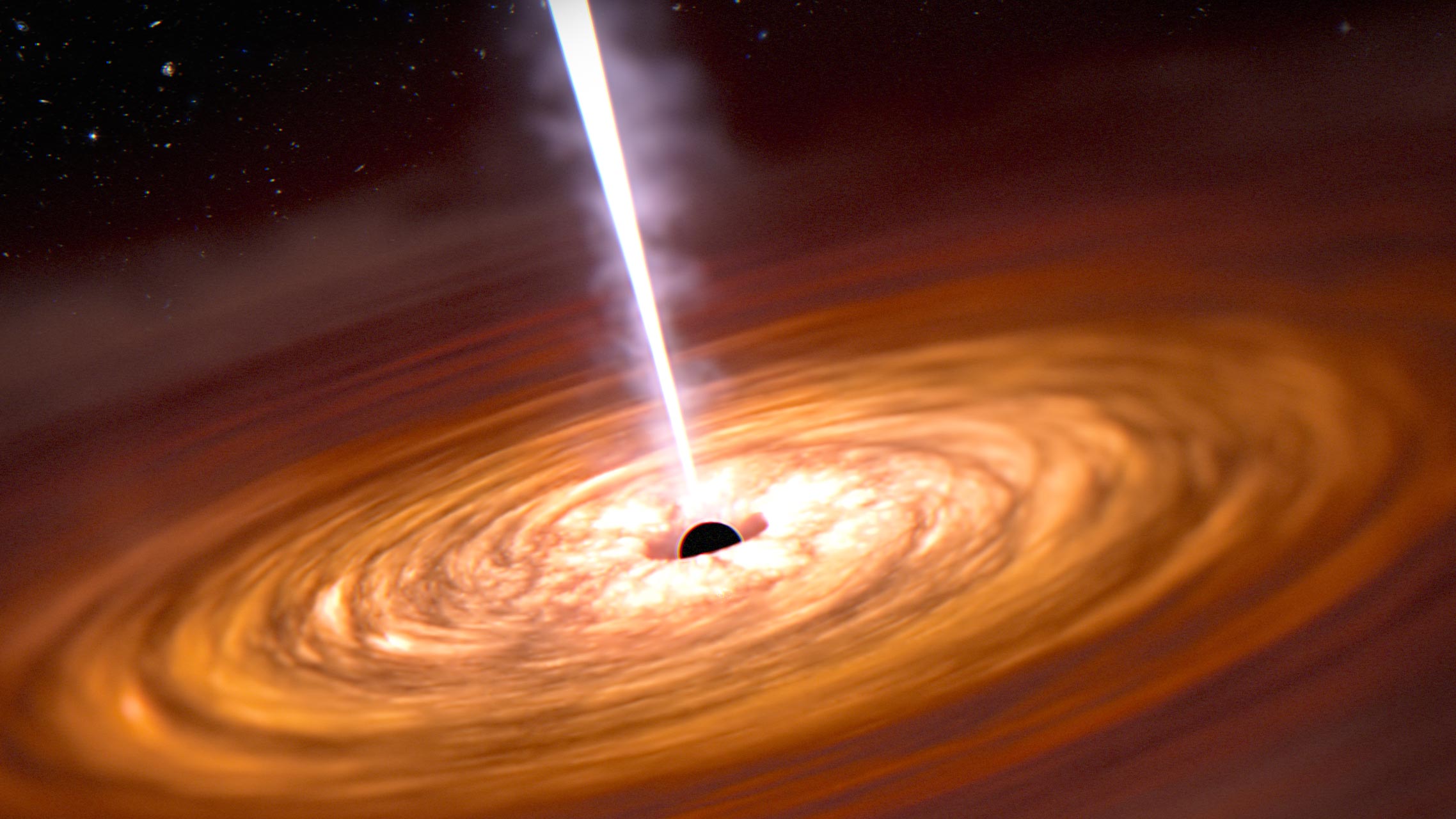
Astronomers have made a puzzling discovery using the James Webb Space Telescope (JWST): supermassive black hole-powered quasars dating back 13 billion years, appearing in isolation. This revelation defies current models, which suggest that black holes require an abundance of surrounding material to rapidly grow. Instead, these quasars seem to exist in nearly barren regions of space, leaving scientists baffled as to how they amassed so much mass so quickly.

A team led by Anna-Christina Eilers, an assistant professor of physics at MIT, examined five of the universe’s earliest known quasars. While some of these quasars were located in dense environments, others were found in nearly empty fields, a surprising discovery. Typically, quasars thrive in regions rich with gas and dust, which black holes use as fuel to grow. Yet, the seemingly isolated quasars observed by JWST challenge this understanding. Eilers expressed the mystery succinctly: “It’s difficult to explain how these quasars grew so massive if there’s nothing nearby to feed them.”

This unexpected finding has put pressure on existing theories of black hole growth. In today’s universe, supermassive black holes are found at the centers of galaxies, pulling in nearby matter to fuel their growth, which produces the bright emissions seen in quasars. However, the newly identified quasars seem to lack such resources, sparking a debate about whether we need to rethink our understanding of how black holes in the early universe could have become so large in such a short span of time.

Scientists are now faced with a perplexing challenge: coming up with new or revised theories that account for these isolated but rapidly growing quasars. Some ideas propose that perhaps these black holes had an extraordinary initial boost or that unknown mechanisms may have supplied them with matter early on. Whatever the explanation, these observations from JWST are revolutionizing our view of how the cosmos evolved, demonstrating that the formation and growth of black holes might be far more complex than previously believed