
Yazılar

New NASA Research Indicates Potential for Microbial Life Beneath Martian Ice

NASA Research Hints at Possible Microbial Life Hidden Under Martian Ice

Recent findings from NASA indicate that conditions beneath the icy surface of Mars may be suitable for microbial life, particularly in meltwater pools formed under layers of dust and ice. This intriguing research suggests that these hidden pockets of water could provide a hospitable environment where life might not only survive but potentially thrive. The study draws parallels to similar habitats on Earth, where organisms manage to exist in icy environments, raising the possibility of finding life on the Red Planet.

The potential for life beneath Martian ice hinges on the remarkable ability of sunlight to penetrate through water ice, which could allow for photosynthesis in these concealed meltwater pools. According to Aditya Khuller from NASA’s Jet Propulsion Laboratory, this phenomenon mirrors the conditions found in Earth’s cryoconite holes, where microbial life flourishes in pockets of meltwater trapped beneath glacial ice. This research emphasizes the significance of understanding how light interacts with Martian ice and the implications it has for the existence of microbial ecosystems.

Mars features two primary forms of ice: frozen water and carbon dioxide ice. The study focuses specifically on the frozen water that has accumulated over time, influenced by ancient dust and snow during the planet’s ice ages. The researchers hypothesize that the presence of dust within the ice matrix could play a crucial role in creating localized melting. In the thin Martian atmosphere, surface melting is rare, but beneath the ice, dust particles may absorb enough solar energy to warm the surrounding ice, leading to the formation of small pools of liquid water.

These findings not only enhance our understanding of Mars’ potential for hosting life but also have significant implications for future exploration missions. Understanding where to look for life on Mars is critical as we prepare for more advanced robotic missions and, eventually, human exploration. The concept of microbial life existing in these hidden environments opens up exciting new avenues for research and discovery, positioning Mars as a prime candidate in the search for extraterrestrial life within our solar system. As scientists continue to analyze the Martian landscape, the prospect of uncovering life beneath the ice fuels both curiosity and ambition in planetary science.
NISAR Mission 2025: A Collaborative Endeavor to Monitor Earth’s Dynamic Ecosystems

NASA and ISRO Unite for the Groundbreaking NISAR Mission to Revolutionize Earth Observation

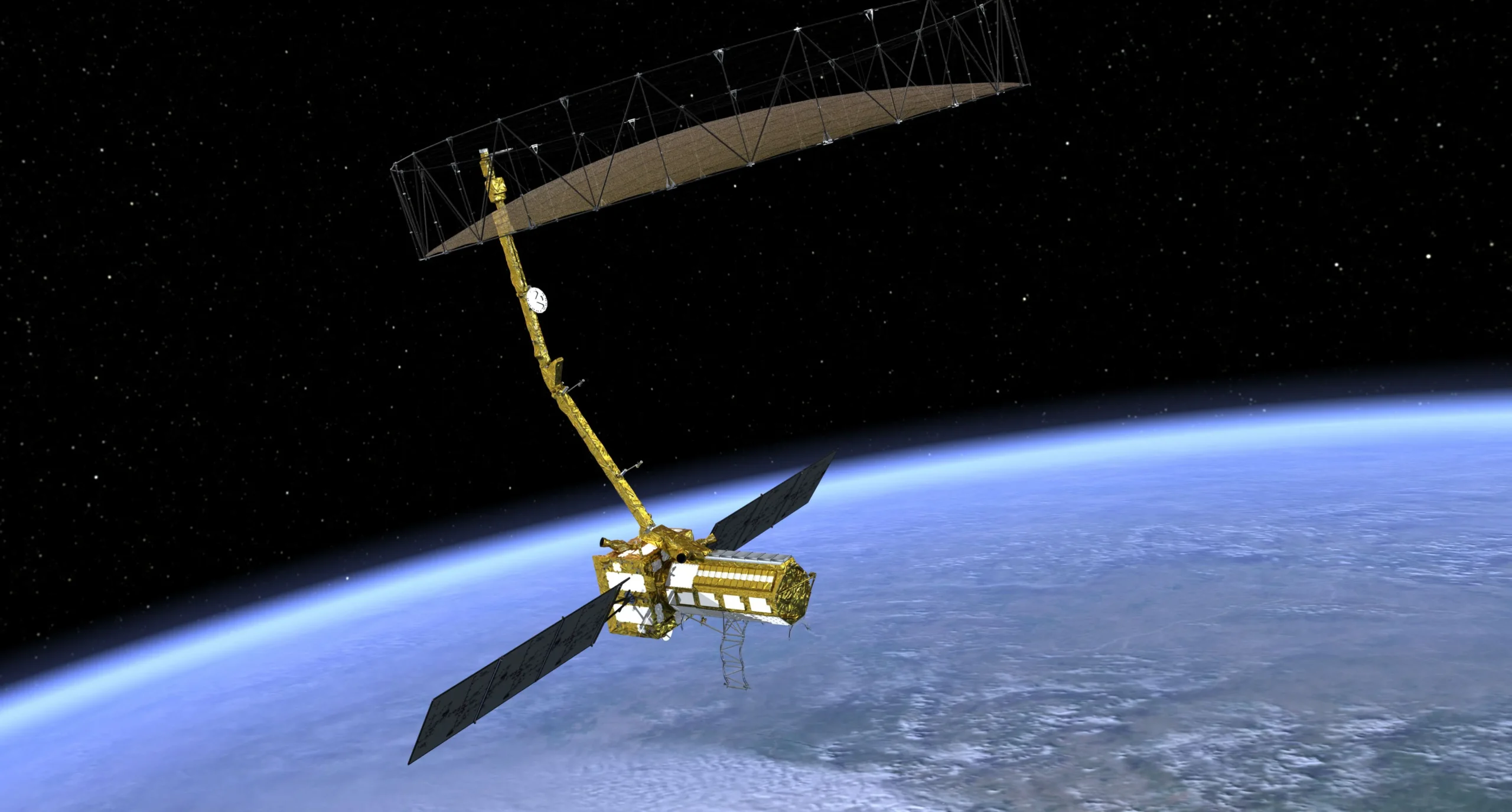
NASA and ISRO are embarking on a groundbreaking partnership with the NISAR Mission, poised to transform our understanding of Earth’s ecosystems and landscapes. This initiative, which stands for NASA-ISRO Synthetic Aperture Radar, aims to deliver crucial data related to biomass, sea level fluctuations, natural disasters, and groundwater levels. With the satellite set to orbit the Earth, it will utilize advanced radar technology to monitor changes in the planet’s surface every 12 days. Scheduled to operate for a minimum of three years, this mission showcases the combined strengths of both space agencies in the pursuit of scientific knowledge and environmental stewardship.

The collaboration between NASA and ISRO is a significant milestone in international space exploration. Each agency contributes its unique expertise to the mission; NASA is responsible for the L-band radar, which is capable of penetrating dense vegetation and ice, enabling detailed observations of these challenging terrains. Meanwhile, ISRO provides the spacecraft, S-band radar, and launch vehicle, ensuring the successful deployment of the satellite. The NISAR project was initiated in response to a 2007 report highlighting the urgent need for more precise data on Earth’s land and cryosphere, leading to the formal launch of this joint mission by NASA Administrator Charles Bolden and ISRO Chairman K. Radhakrishnan.

What sets NISAR apart from other Earth observation missions is its exceptional ability to detect minute changes on the planet’s surface, with precision down to the centimeter level. This capability is made possible by the advanced radar technology that operates effectively in all weather conditions, both day and night, providing consistent and reliable data collection. The mission will facilitate tracking a wide range of geological and environmental phenomena, including glacier movements, seismic activity, and volcanic eruptions. The significance of this data is further amplified by the commitment to make it publicly accessible, empowering researchers and scientists around the globe to leverage this wealth of information for their own studies.

As the NISAR Mission progresses, it embodies the spirit of collaboration that is essential for addressing global challenges related to climate change and environmental monitoring. By combining the resources and expertise of two leading space agencies, the project not only aims to enhance our understanding of Earth’s systems but also fosters a culture of shared scientific inquiry and cooperation. The anticipated launch of NISAR signifies a new era in Earth observation, one where collaborative efforts can lead to groundbreaking advancements in our ability to monitor and respond to the dynamic changes occurring on our planet.

Aging Voyager 1 Spacecraft Revives Ancient Transmitter to Reestablish Contact with NASA

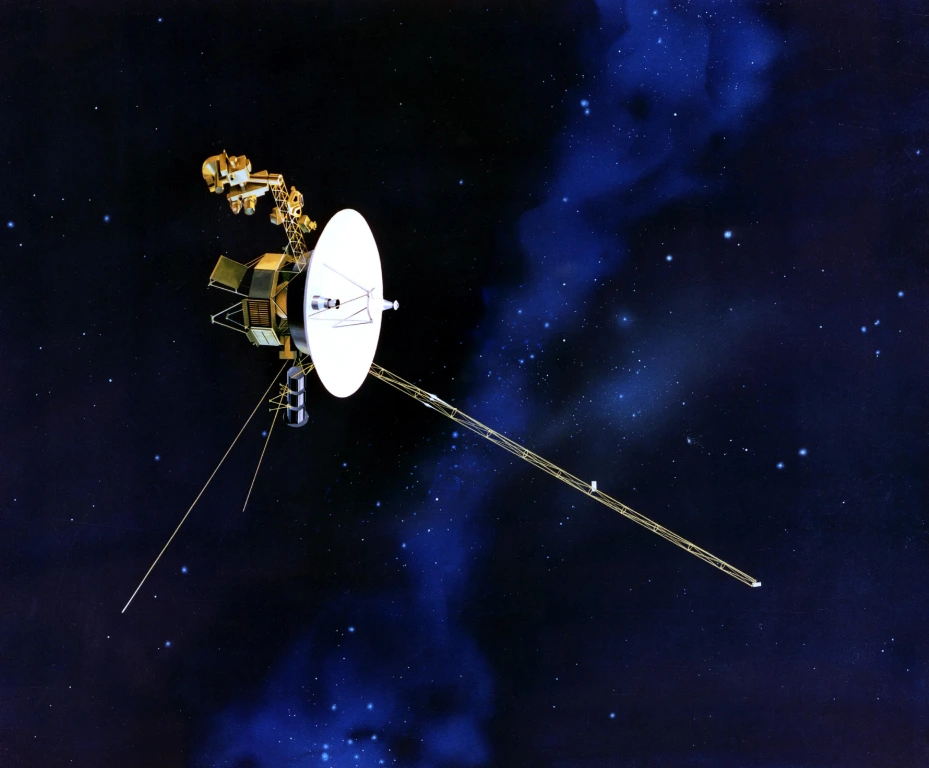
NASA’s Voyager 1 spacecraft, which has been traveling through interstellar space for nearly five decades, has successfully reestablished communication after a brief but critical blackout. Launched in September 1977, Voyager 1 is currently about 15 billion miles (24 billion kilometers) from Earth, making it the farthest spacecraft from our planet.

Recently, the spacecraft experienced a technical issue that prompted its autonomous fault protection system to engage, cutting off communication for several days. To mitigate power consumption and prolong its operational life, the Voyager team has been selectively turning off components over the years. In a remarkable turn of events, engineers activated a radio transmitter that Voyager 1 hadn’t used since 1981 to maintain contact with mission control.

Communication Breakdown and Recovery

On October 16, NASA sent a command to turn on Voyager 1’s heaters, which are crucial for warming components that have suffered radiation damage over time. However, something triggered the fault protection system, leading the spacecraft to automatically shut down non-essential systems to conserve power. The following days saw no response from Voyager, leading to heightened concerns among the team.

Using the Deep Space Network, a system of antennas that facilitates communication with distant spacecraft, engineers were able to eventually detect a faint signal from Voyager 1 on October 18. However, by October 19, communication halted entirely, leading to fears that the X-band transmitter, typically used for sending data, had shut down again, potentially switching to the weaker S-band transmitter instead.

A Dim Signal and Future Steps

NASA’s team confirmed that the S-band signal was detectable, although it poses significant challenges for long-term communication. According to Bruce Waggoner, Voyager mission assurance manager, the S-band is “too weak to use long term.” While this weaker signal allows for basic commands to be sent, it does not support telemetry or scientific data transmission.

Engineers are now working meticulously to analyze the fault protection system’s triggers before attempting to switch back to the more powerful X-band transmitter. This careful approach is necessary to avoid further complications that could jeopardize Voyager 1’s mission. Waggoner noted that reestablishing the X-band’s functionality could provide critical data that may explain the recent communication failures.

In the meantime, the team successfully confirmed the functionality of the S-band transmitter on October 24, ensuring that Voyager remains oriented towards Earth, but this is not a sustainable solution for ongoing communication.

Innovative Solutions Amidst Challenges

Despite these challenges, the Voyager team has demonstrated remarkable ingenuity. Earlier in the year, they employed several innovative techniques to maintain contact with the aging spacecraft, such as activating old thrusters to keep the antenna aligned with Earth and resolving a computer glitch that had interrupted scientific data transmission for months.

Voyager 1’s ability to continue operating in the harsh conditions of interstellar space highlights both the resilience of the technology and the dedication of the team working to ensure the mission’s success as it continues its unprecedented journey through the cosmos.