Yazılar

NASA and Roscosmos Disagree on Severity of Space Station Leaks

Leaking Zvezda Module Sparks Safety Concerns

The International Space Station (ISS) is grappling with worsening leaks in the Russian-controlled Zvezda module, first identified in 2019. Recent reports reveal an increased air loss rate, raising alarms at NASA over potential “catastrophic failure.” However, Russia’s space agency, Roscosmos, maintains that the station’s operations remain safe.

Key issues:

  • Leak Location: The Zvezda module’s transfer tunnel, which connects to a docking port, has been the primary site of the leaks.
  • Leak Rate: Air loss is approximately 2–2.5 pounds daily, exceeding the station’s baseline pressure maintenance requirements.
  • Structural Integrity: NASA highlights concerns about high-cycle fatigue causing cracks, while Russia attributes the problem to vibrations from mechanical systems.

Disputed Assessments and Mitigation Efforts

NASA and Roscosmos have yet to agree on the root cause or severity of the leaks.

  • NASA’s Position: The leaks pose a risk to structural integrity and astronaut safety, warranting independent evaluation.
  • Roscosmos’ Position: The situation is manageable, and catastrophic failure is unlikely.

Mitigation measures include:

  1. Segment Sealing: The leaking module remains sealed except during cargo operations.
  2. Crew Safety: Emergency evacuation protocols are bolstered, with additional “pallet seats” aboard SpaceX Crew Dragon capsules.

Implications for ISS Operations

The leaks complicate the station’s operations and long-term plans:

  • Cargo Delivery: Closing the Zvezda hatch permanently could reduce cargo delivery capacity.
  • Station Maintenance: Increased propellant use may be needed to maintain altitude and orientation if Russian spacecraft are sidelined.

The ongoing leaks come as the ISS, operational since 2000, approaches the end of its expected lifespan. NASA hopes to continue using the station until 2030, though Roscosmos has only committed through 2028.


NASA’s Transition Plan

NASA is preparing for the ISS’s eventual retirement by partnering with private companies, including SpaceX and Blue Origin, to develop commercial space stations. Contracts for these projects are expected to roll out by 2026, though readiness before the ISS’s decommissioning remains uncertain.


Conclusion

The Zvezda module’s leaks underscore the aging space station’s vulnerabilities and the importance of international cooperation. Despite disagreements, NASA and Roscosmos remain in close communication, prioritizing astronaut safety while navigating complex technical and diplomatic challenges.
 

South Korea’s KASA and NASA Collaborate on Launch of CODEX Solar Coronagraph to ISS

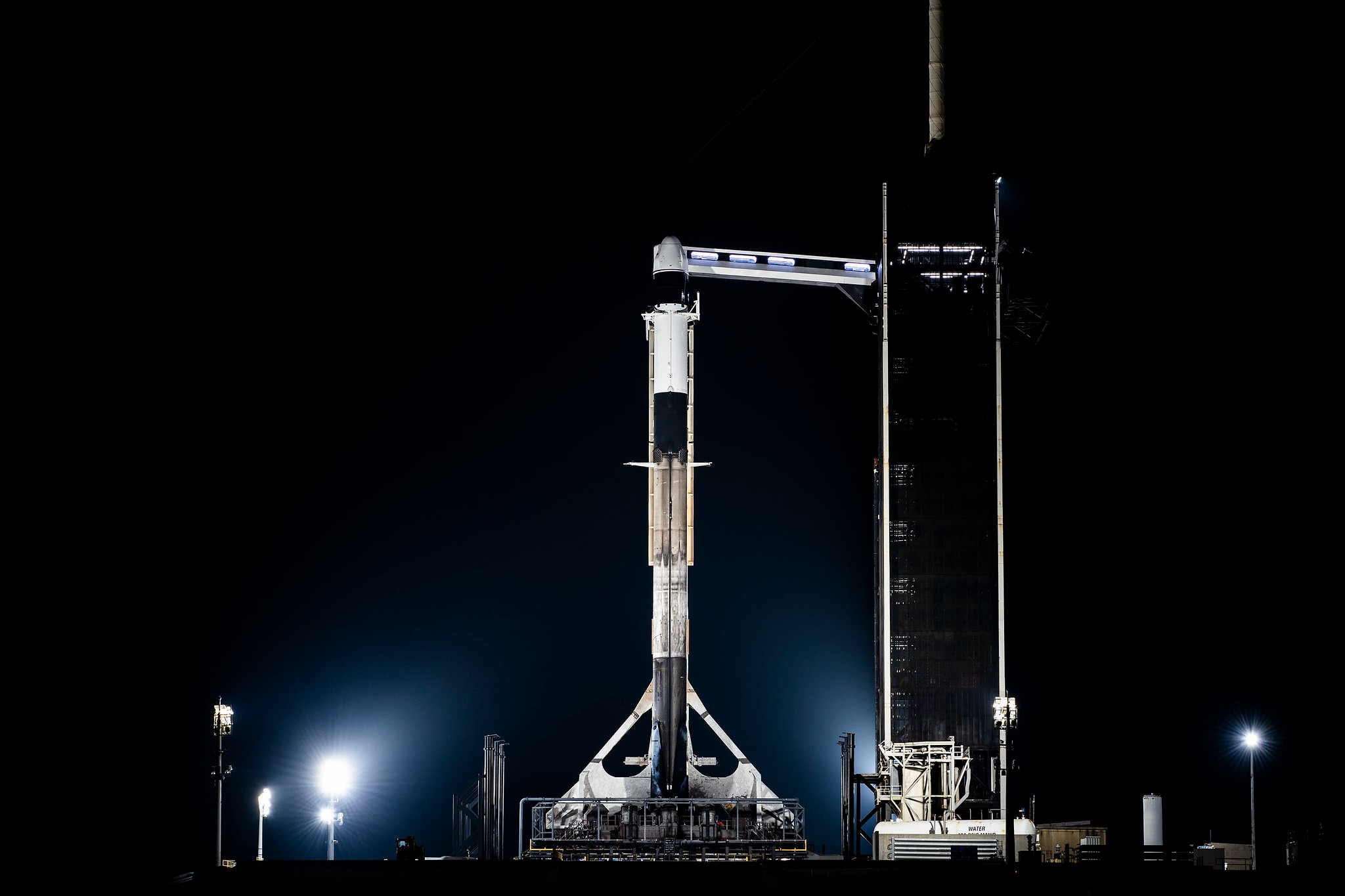
South Korea’s space agency, the Korea Aerospace Research Institute (KASA), has announced a groundbreaking collaboration with NASA to launch a solar coronagraph to the International Space Station (ISS). The instrument, developed as part of the Coronal Diagnostic Experiment (CODEX), is designed to study the Sun’s corona and the solar wind, which consists of charged particles emitted from the Sun’s outer atmosphere. This crucial mission, which aims to expand our understanding of solar phenomena, will be launched aboard SpaceX’s Falcon 9 rocket from Florida’s Kennedy Space Center, scheduled for Monday, according to Yonhap News Agency.

The CODEX project represents a major achievement in space science, as it will be the first coronagraph capable of measuring key solar wind parameters such as temperature, velocity, and density. This groundbreaking technology is expected to provide valuable data about the Sun’s outer atmosphere and the solar wind, which can have significant effects on space weather. Once aboard the ISS, CODEX will be mounted on the station’s express logistics carrier, offering approximately 55 minutes of solar observation during each 90-minute orbit around Earth. The mission’s findings could play a critical role in improving space weather forecasting and enhancing our ability to predict solar storms.

The collaboration between KASA and NASA on CODEX is part of a broader expansion of South Korea’s role in space exploration. This partnership also extends to the Artemis lunar exploration program, with KASA contributing to research on sustainable lunar exploration and future Mars mission preparations. South Korea’s involvement in the Artemis program marks an important milestone, as the country becomes the fifth nation to officially cooperate with NASA on lunar and interplanetary exploration. This strengthened partnership highlights the growing significance of international cooperation in advancing space science and exploration.

Through this mission and the broader space cooperation initiatives, South Korea and NASA aim to make significant strides in understanding space weather, solar dynamics, and the broader challenges of space exploration. As both countries continue to expand their partnership in space, the CODEX project serves as a symbol of their commitment to advancing scientific knowledge and enhancing global space exploration capabilities. The mission not only represents a technological breakthrough but also reinforces the importance of international collaboration in addressing the challenges of space science.

SWOT Satellite Captures Seismic Tsunami Event in Greenland’s Dickson Fjord

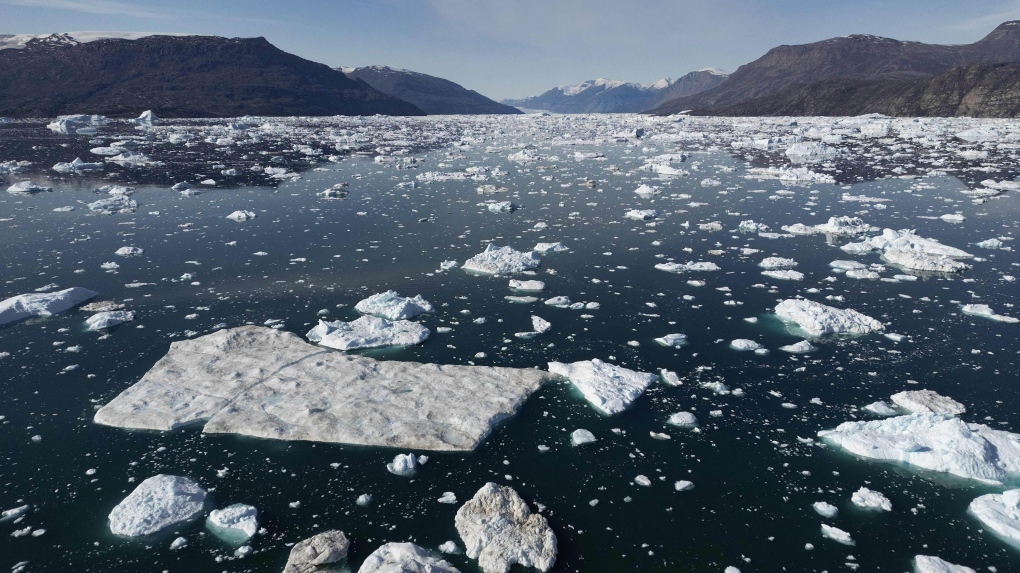
In September 2023, the Surface Water and Ocean Topography (SWOT) satellite, a collaborative mission between NASA and France’s Centre National d’Études Spatiales (CNES), recorded an extraordinary seismic tsunami event in Greenland’s Dickson Fjord. This unprecedented event, caused by a massive rockslide, led to a nine-day sequence of waves reverberating throughout the fjord. The event is notable for being one of the few instances where satellite technology captured such a prolonged natural phenomenon with remarkable precision, providing valuable data that could aid in understanding similar events in the future.

The rockslide, which unleashed over 25 million cubic meters of rock and ice into the fjord, displaced vast amounts of water, creating a series of massive waves. These waves, which oscillated between the fjord’s steep walls every 90 seconds, continued for nearly a week, making this a rare and unique event. According to NASA’s Jet Propulsion Laboratory scientist Josh Willis, SWOT’s advanced technology allowed researchers to observe the wave contours in unprecedented detail. The wave height variation between the northern and southern sides of the fjord, with water levels rising by as much as 1.2 meters, demonstrated the immense force of the rockslide’s impact.

What makes SWOT’s detection particularly groundbreaking is its use of cutting-edge radar technology. Orbiting approximately 900 kilometers above Earth, the satellite employs a Ka-band Radar Interferometer (KaRIn) to measure water surface heights with exceptional accuracy. This technology proved crucial in capturing the dynamic effects of the tsunami in the remote, narrow fjord, where conventional altimeters with larger measurement footprints would have struggled. The satellite’s precision allowed scientists to observe the tsunami’s full duration and track its rhythmic movement, which was not possible with previous methods.

SWOT’s ability to detect and monitor such an event emphasizes the growing importance of advanced satellite technology in global hazard monitoring. According to Nadya Vinogradova Shiffer, a NASA scientist, SWOT’s precise measurements could significantly improve preparedness for natural disasters by providing real-time data that enhances risk assessment and management. This event highlights the satellite’s potential to monitor not just oceanic phenomena but also smaller, more localized natural events, contributing to a broader understanding of Earth’s dynamic systems and aiding in disaster risk reduction.