Yazılar

Perseverance Rover Uncovers Abundant Unique Rock Samples Along Jezero Crater’s Rim

Perseverance Rover Discovers Rich Variety of Ancient Rocks at Jezero Crater’s Edge

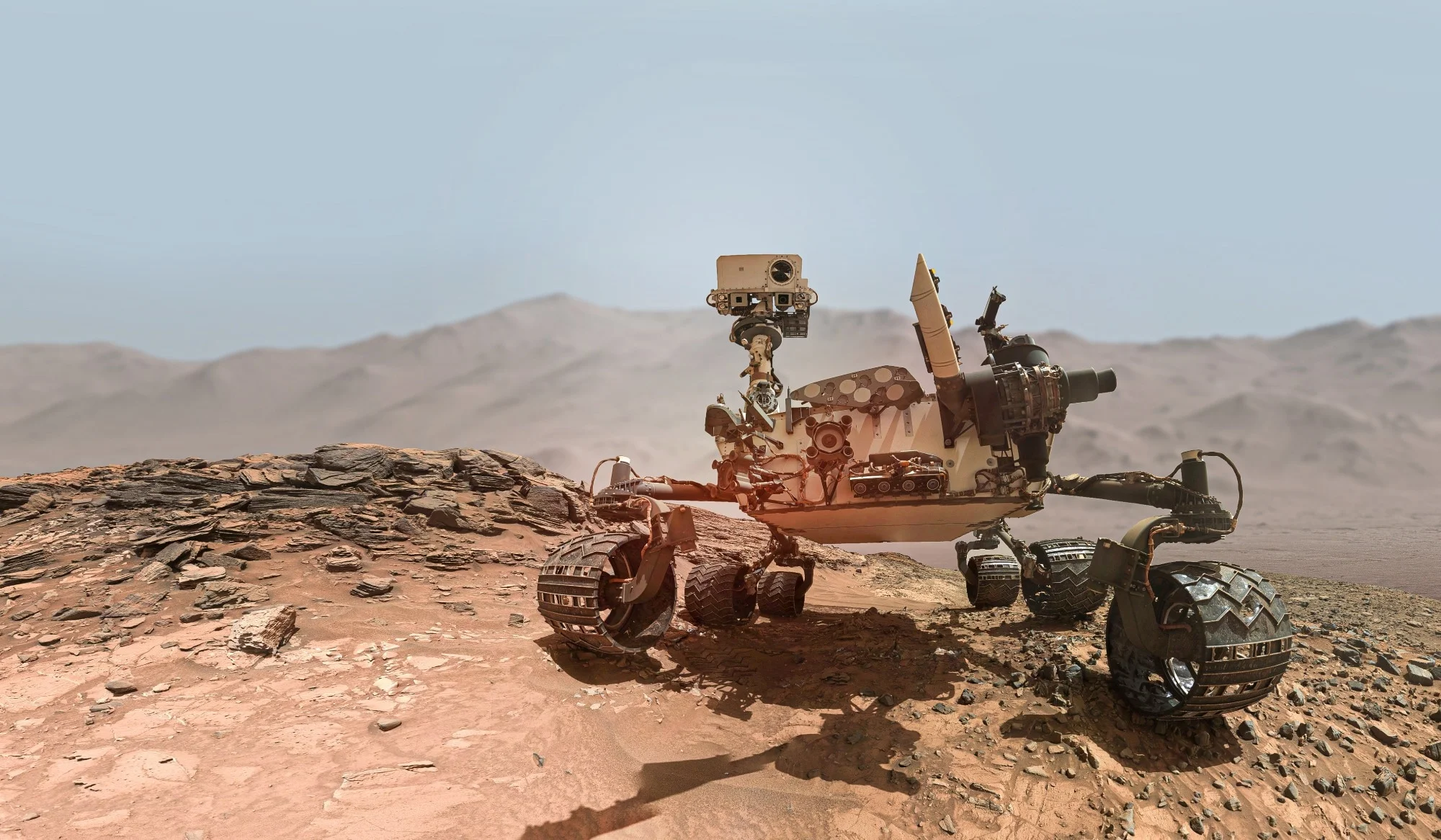
NASA’s Perseverance rover continues to make remarkable discoveries as it explores the rugged terrain along the rim of Jezero Crater. Over the past few months, the rover has collected five core samples, closely examined seven rocks, and remotely analyzed 83 others using its onboard laser technology. Scientists have been surprised by the sheer diversity of rocks encountered — a mix of once-molten fragments, buried boulders, and well-preserved layered formations. The first rock sample from the crater rim, nicknamed “Silver Mountain,” was retrieved from an area called “Shallow Bay” and is thought to date back nearly 3.9 billion years.

The mission’s findings offer compelling clues about Mars’ distant past, especially its potential for once harboring water. In collaboration with the European Space Agency, NASA’s Mars Sample Return Program aims to bring sealed Martian samples back to Earth for more detailed examination. Among the highlights is the discovery of igneous rocks containing minerals that crystallized from ancient magma, possibly buried deep in Mars’ crust and later exposed by massive impacts. These findings could shed light on the planet’s early geological evolution and the processes that shaped its surface.

Currently, Perseverance is navigating the stratified landscape of Witch Hazel Hill, located near the crater’s western rim. Scientists believe the layers of rock here could record environmental changes that occurred when Jezero Crater likely held a vast, long-lost lake. The data being collected will help build a clearer timeline of Mars’ ancient climate and the possible presence of conditions favorable for life. The rover’s detailed study of rock textures, compositions, and layering is crucial for piecing together the story of water on early Mars.

Adding to the intrigue, Perseverance recently analyzed a boulder rich in serpentine minerals — a type of rock that, under specific conditions, can produce hydrogen gas, a potential energy source for microbial life. Discoveries like these boost hopes that traces of ancient life, if they ever existed, might be hidden within these ancient rocks. As the rover continues its trek along Jezero’s rim, mission scientists are carefully selecting the next promising sites for sample collection, inching closer to solving Mars’ long-standing mysteries.
NASA’s Hubble Space Telescope Observes Neutron Star with Unexplained Origins

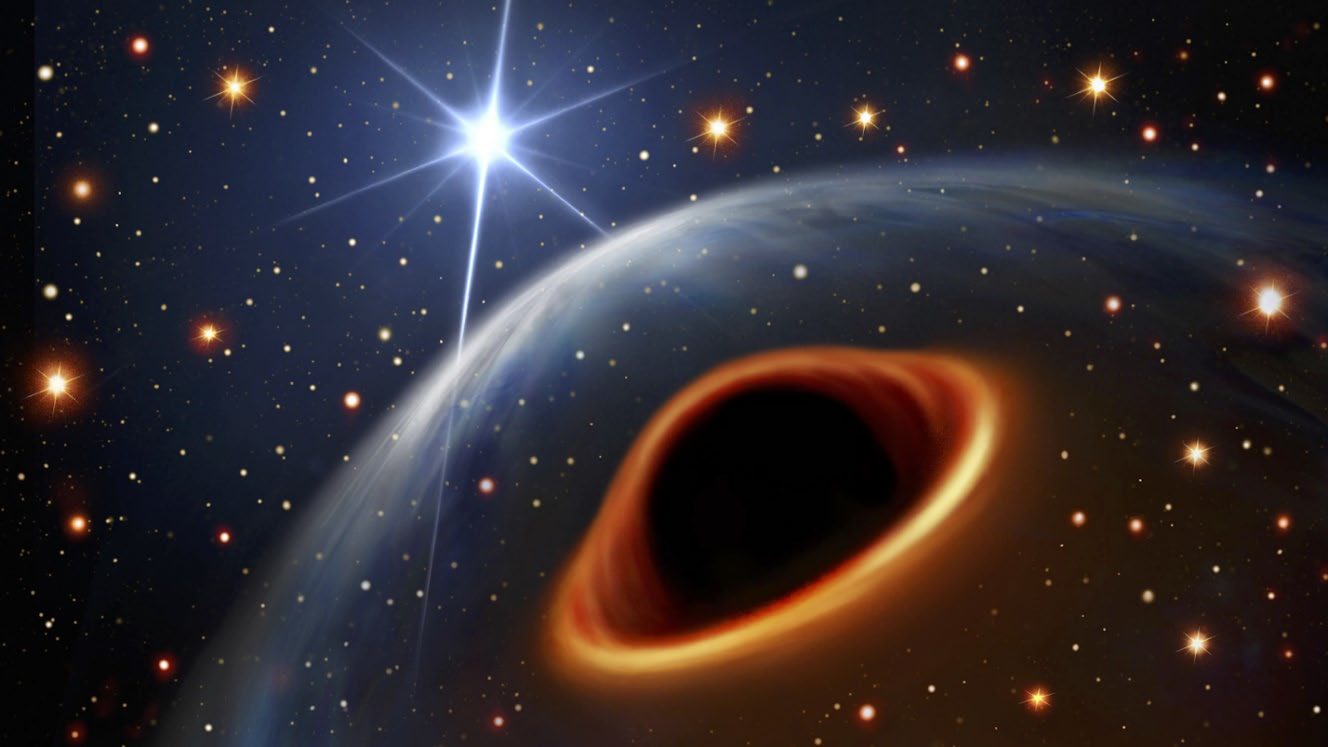
NASA’s Hubble Space Telescope has made an intriguing discovery, tracking a rogue magnetar known as SGR 0501+4516 as it roams through our galaxy. This magnetar was first detected in 2008 by NASA’s Swift Observatory, which identified intense gamma-ray flashes emanating from a distant region of the Milky Way. The unusual behavior of this magnetar suggests that not all magnetars within the galaxy may have been formed through the typical process of supernovae, leading scientists to reconsider their understanding of these extreme celestial objects. This finding could provide important clues about the enigmatic phenomenon of fast radio bursts, which have puzzled astronomers for years.

Magnetars, which are composed entirely of neutrons, are the remnants of massive stars that have exhausted their nuclear fuel and collapsed under their own gravity. What sets magnetars apart from other neutron stars is their incredibly strong magnetic fields, which can be a trillion times more intense than Earth’s magnetic field. Lead author of the study, Ashley Chrimes, explained that the magnetic forces of a magnetar are so powerful that they could potentially erase data on a credit card from a distance half the way between Earth and the Moon. If a person were to approach within 600 miles of a magnetar, the intense magnetic field could tear apart the atoms of their body.

Initially, scientists believed that SGR 0501+4516 had originated from the remnants of a nearby supernova, specifically one known as HB9. However, further observations using Hubble’s sensitive instruments, combined with data from ESA’s Gaia spacecraft, raised questions about this origin theory. Hubble’s long-term tracking of the magnetar’s movement revealed that it did not come from a supernova remnant or any star cluster. This unexpected finding has left researchers rethinking the creation process of this wandering magnetar and suggests that it may have a completely different origin.

The discovery of this rogue magnetar is particularly significant for understanding fast radio bursts (FRBs), high-energy astrophysical phenomena whose origins are still not fully understood. NASA researchers believe that the magnetar’s formation could provide insight into the nature of FRBs, which are thought to come from ancient stellar populations. To further explore this mystery, the research team plans to continue observing the magnetar with Hubble, aiming to uncover more about how magnetars form and how they might be linked to these mysterious cosmic bursts. The ongoing study could shed light on some of the most extreme and unexplained aspects of the universe.

NASA Study Suggests Solar Wind Plays a Crucial Role in Water Formation on the Moon

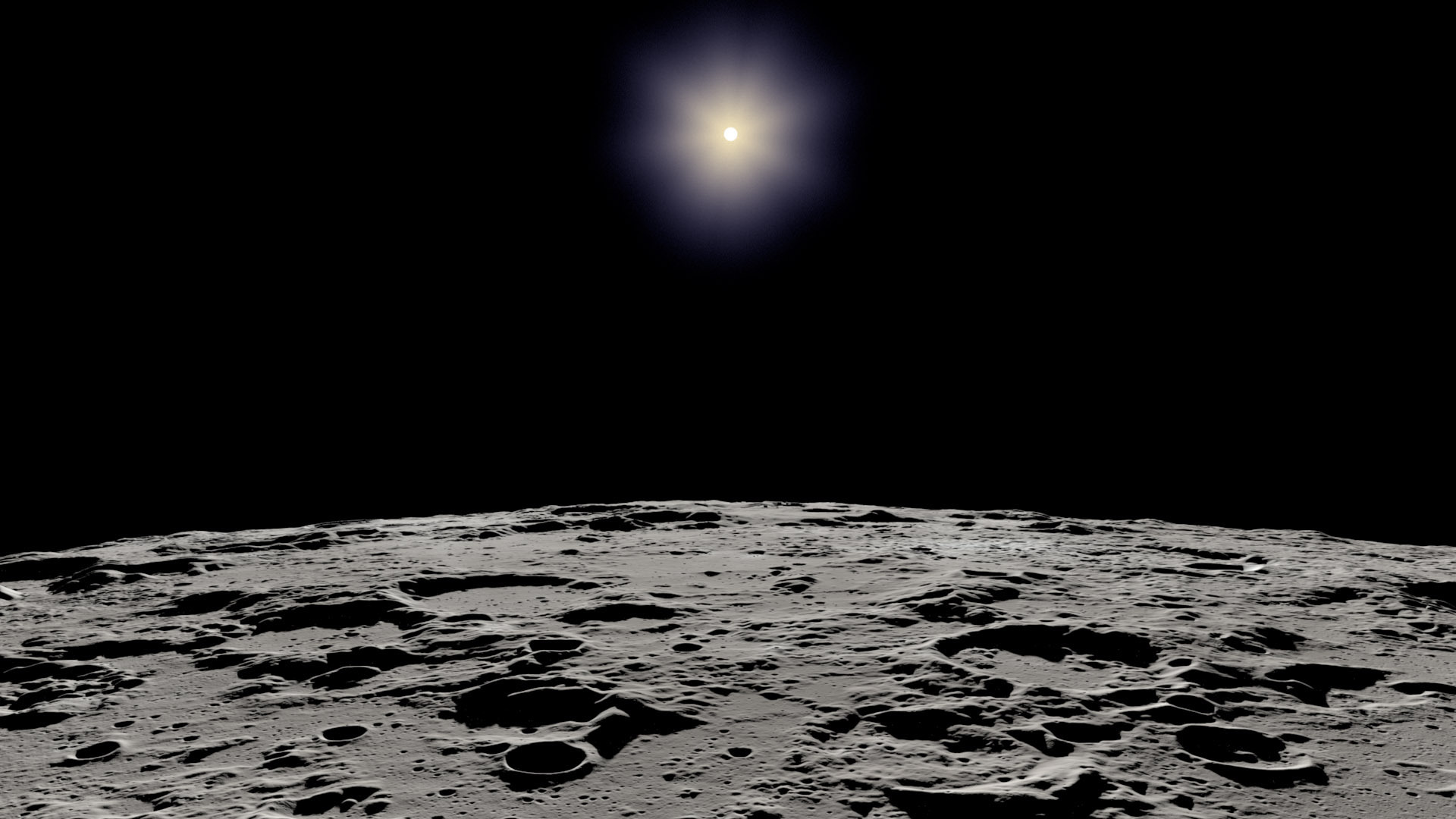
A recent study has revealed an intriguing possibility: solar wind may play a pivotal role in the formation of water on the Moon. The Moon’s surface, covered in a layer of dust and rock known as regolith, has long been thought to contain traces of water—an essential resource for future lunar missions, especially for fueling rockets. Researchers found that this water, found in the form of both water molecules and hydroxyl groups, is embedded within the regolith, which is constantly bombarded by meteoroids and charged particles from the Sun. Surprisingly, the amount of water detected ranged from 200 to 300 parts per million, a significant but modest amount that could have important implications for future lunar exploration.

One of the most striking findings from the study was the low levels of deuterium, an isotope of hydrogen, present in the water and hydroxyl molecules. This suggests that the hydrogen atoms that form the water molecules likely originate from the Sun. The solar wind, a continuous stream of charged particles, delivers these hydrogen particles to the Moon’s surface. When these particles interact with oxygen embedded in the lunar surface rocks, chemical reactions occur, resulting in the formation of water molecules. This discovery not only sheds new light on the Moon’s water composition but also suggests that other airless celestial bodies in the solar system, such as asteroids, may possess water as well.

This groundbreaking research builds on a long-held hypothesis that dates back to the 1960s, when scientists first proposed that the solar wind could be responsible for generating water on the Moon. For decades, this idea remained theoretical, with limited evidence to support it. However, a recent lab simulation conducted by NASA has provided compelling evidence to confirm this hypothesis. The simulation mimicked the process of solar wind interacting with lunar regolith, successfully demonstrating that the charged particles from the Sun can indeed lead to the creation of water on the Moon’s surface. This finding holds significant implications for NASA’s Artemis program, which is preparing to send astronauts to the lunar South Pole, where much of the Moon’s water is believed to be frozen in permanently shadowed craters.

The solar wind, composed mainly of protons (hydrogen nuclei), constantly flows from the Sun, bombarding celestial bodies throughout the solar system. While Earth is shielded from these particles by its magnetic field and atmosphere, the Moon lacks such protection, making it more susceptible to the solar wind’s effects. Computer models and lab tests have shown that when protons collide with the lunar regolith, they interact with electrons and recombine to form hydrogen atoms. This hydrogen then combines with oxygen in the regolith, forming hydroxyl and water molecules. Although hydroxyl and water are chemically similar and difficult to differentiate with current technology, their presence beneath the lunar surface is undeniable. This discovery marks a significant step forward in our understanding of the Moon’s potential as a resource for future space missions.