Yazılar

India’s IT Minister Praises DeepSeek’s Low-Cost AI, Draws Parallels with IndiaAI Mission

India’s IT minister, Ashwini Vaishnaw, has praised Chinese startup DeepSeek for its groundbreaking low-cost AI assistant, highlighting the startup’s frugal approach as a model that resonates with India’s own AI ambitions. Speaking at an event in Odisha, Vaishnaw drew a comparison between the $5.5 million investment DeepSeek used to create a powerful AI model and India’s $1.25 billion commitment to the IndiaAI mission.

The IndiaAI mission, announced in March, aims to develop a robust AI ecosystem by funding startups and creating the necessary infrastructure to support AI innovation. Vaishnaw’s comments came as he pointed out the cost-effectiveness of DeepSeek’s approach, which took just two months and under $6 million to develop its AI model using Nvidia’s less-advanced H800 chips.

DeepSeek’s success has been a game-changer in the AI sector, surpassing OpenAI’s ChatGPT in downloads on Apple’s App Store. The startup’s impressive performance challenges the prevailing belief that China is far behind the U.S. in the AI race and raises questions about the high costs traditionally associated with building AI models.

Vaishnaw’s statement also appeared to counter remarks made by OpenAI CEO Sam Altman during a visit to India last year. Altman had expressed skepticism about India’s ability to develop a competitive AI model on a $10 million budget, calling it “totally hopeless” to compete on training foundation models. Vaishnaw’s comments are now drawing attention, especially as Altman is set to visit India again in early February amid a legal battle with Indian digital news and book publishers over copyright issues.
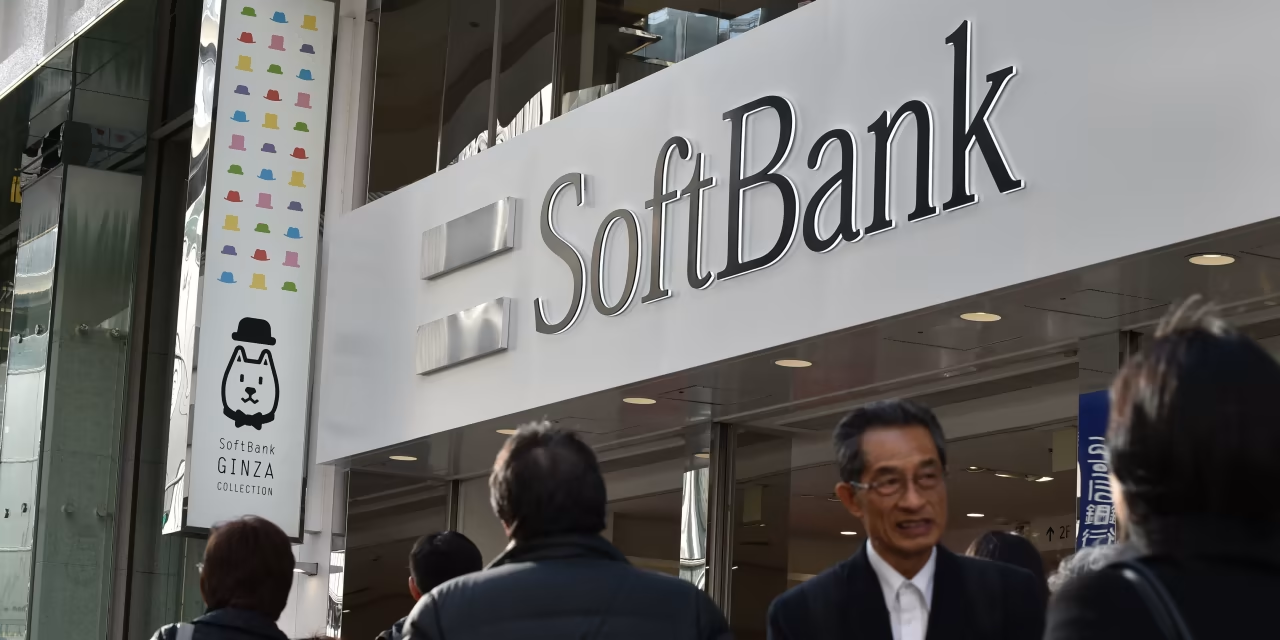
 

SoftBank in Talks to Invest Up to $25 Billion in OpenAI

SoftBank is in discussions to invest between $15 billion and $25 billion in OpenAI, the owner of ChatGPT, according to a source familiar with the matter. The move is part of the Japanese conglomerate’s ongoing efforts to expand its footprint in the AI sector. Some of the investment may go towards funding OpenAI’s commitment to Stargate, a joint venture between Oracle, OpenAI, and SoftBank.

The Stargate project aims to secure up to $500 billion in investments to keep the U.S. ahead of China and other global competitors in the AI race. SoftBank has already committed $15 billion to Stargate and is exploring additional financing options for the project. The investment talks with OpenAI are still in early stages, according to the source.

Earlier reports indicated that SoftBank is considering a total investment of $40 billion into both Stargate and OpenAI, including borrowing up to $18.5 billion in financing, secured by its publicly-listed assets. The venture was unveiled at a White House event last week, attended by U.S. President Donald Trump, SoftBank CEO Masayoshi Son, OpenAI CEO Sam Altman, and Oracle Chairman Larry Ellison.

However, SoftBank’s stock price has taken a hit following a market selloff triggered by the rise of DeepSeek, a Chinese AI startup that introduced a free AI assistant developed at a fraction of the cost of its U.S. competitors. This shift has raised concerns about the sustainability of business models that rely on expensive AI technology and contributed to a decline in SoftBank’s shares, which were down 1% in morning trading on Thursday.

Despite this, SoftBank remains committed to strengthening its position in the AI sector. The company already holds a $1.5 billion stake in OpenAI, which was valued at $157 billion in its most recent funding round. SoftBank and OpenAI have yet to comment on the reported investment discussions.


DeepSeek’s Global Success Sparkles with National Pride in China

Chinese bloggers, state media, and citizens are celebrating the rapid success of DeepSeek, the homegrown AI startup, viewing its rise as a symbol of China’s resilience against Western efforts to constrain its tech industry. Last week, DeepSeek launched a free AI assistant that claims to use less data at a fraction of the cost of competing services. By Monday, it had surpassed U.S. rival ChatGPT in downloads on Apple’s App Store, prompting a significant selloff in tech shares globally.

DeepSeek’s ability to rival the capabilities of OpenAI while offering a more affordable alternative has raised concerns about the sustainability of profit margins and business models of U.S. AI giants such as Nvidia and Microsoft. In China, the startup’s success has been seen as a victory against U.S. efforts to block access to advanced semiconductors, which are critical for AI development.

“This symbolizes that U.S. containment, persecution, and sanctions in advanced technology against China have completely failed,” wrote military commentator Chen Xi on his WeChat account. This sentiment aligns with statements from former U.S. President Donald Trump, who suggested that DeepSeek’s achievements should spur American firms to innovate and that it was beneficial for Chinese companies to introduce cheaper, faster AI technology.

In Zhejiang, where DeepSeek is based, the provincial government’s media office published a widely shared essay celebrating the company’s success. The article, read more than 100,000 times, declared, “The moon overseas is not actually more round. Whatever others can do, we can also do—and even do it better.” The essay pushed back against both overly optimistic and overly pessimistic views of China’s technological progress.

This wave of pride surrounding DeepSeek mirrors the response to Huawei’s surprise launch of the Mate 60 Pro smartphone in 2023, which came despite U.S. sanctions. At that time, the state-backed Global Times praised Huawei’s ability to produce high-end smartphones, arguing that the U.S. crackdown had failed.

The reaction from the Chinese public has been equally supportive. Chen Jianuo, a 38-year-old Beijing resident, expressed pride over DeepSeek’s international success, reflecting on the positive global attention the company has garnered. “China has made great progress in AI development, and I hope our technological growth continues,” she shared.

Leo Li, a 24-year-old student, also voiced his pride, saying, “It’s exciting that a Chinese company is on par with Meta and OpenAI. As a Chinese citizen, it feels great to see our AI research becoming a global sensation.”