Yazılar

GM Exits Loss-Making Cruise Robotaxi Business Amid Restructuring Efforts

General Motors (GM) has announced its decision to exit the development of robotaxi services at Cruise, its majority-owned autonomous driving unit, marking a significant pivot in the automaker’s strategic priorities. The Detroit-based company revealed on Tuesday that it will no longer fund Cruise’s robotaxi operations, citing the substantial time and financial investment required to scale the business in an increasingly competitive market.

Since 2016, GM has invested over $10 billion into Cruise, but the unit has yet to achieve profitability. Moving forward, Cruise will be integrated into GM’s driver-assistance technology group, signaling a shift away from fully autonomous vehicles. The decision follows GM’s broader strategy to focus on its more profitable lines of business, including gasoline-powered trucks and large vehicles, while scaling back on electric vehicle (EV) initiatives and restructuring its operations in China.

In 2023, GM CEO Mary Barra expressed optimism that Cruise could generate $50 billion in annual revenue by 2030. However, she described the unit as “expendable” on Tuesday, explaining that the high operational costs of running a robotaxi fleet did not align with GM’s core business. Barra emphasized the need for fiscal prudence, noting that the restructuring will cut annual spending on Cruise from $2 billion to $1 billion by June 2024.

While Barra did not specify how many Cruise employees might transition to other roles within GM, the decision reflects broader challenges in the autonomous vehicle (AV) industry.


COSTLY ROAD AHEAD FOR AUTONOMOUS VEHICLES

GM is not the first automaker to retreat from ambitious autonomous driving projects. In October 2022, Ford wound down its Argo AI unit, citing similar financial and technical hurdles. Although competitors like Tesla and Alphabet’s Waymo remain invested in AV technology, the market has proven to be both costly and complex.

Tesla CEO Elon Musk continues to champion the potential of robotaxis and expects regulatory support under President-elect Donald Trump’s administration to facilitate broader deployment. Meanwhile, Waymo is expanding its ride-hailing services in cities such as Los Angeles and Miami, bolstered by a $5.6 billion funding round led by Alphabet.


LEGAL AND OPERATIONAL HURDLES

Cruise’s recent legal challenges have further compounded GM’s decision to abandon its robotaxi ambitions. In October 2023, a Cruise vehicle in San Francisco struck and seriously injured a pedestrian. The company admitted to submitting a false report to federal regulators and agreed to pay a $500,000 fine as part of a deferred prosecution agreement. GM also faced significant financial penalties, including a settlement with the injured pedestrian, while U.S. safety regulators continued to scrutinize the company.

In July, GM shelved plans for a steering wheel- and pedal-free robotaxi, following layoffs of over 25% of Cruise employees and the dismissal of several top executives. GM also withdrew a petition to the National Highway Traffic Safety Administration (NHTSA) that sought approval to deploy up to 2,500 autonomous Origin vehicles annually without human controls.


SHIFTING FOCUS

As GM retreats from autonomous robotaxis, its focus appears to be realigning with its core business of producing conventional vehicles and advancing driver-assistance technologies. While the company once viewed Cruise as a cornerstone of its future mobility strategy, it now sees scaling such operations as a long-term endeavor that no longer aligns with its immediate priorities.

Despite the setbacks, GM shares rose 3.2% in extended trading on Tuesday, reflecting investor confidence in the automaker’s renewed focus on profitability.

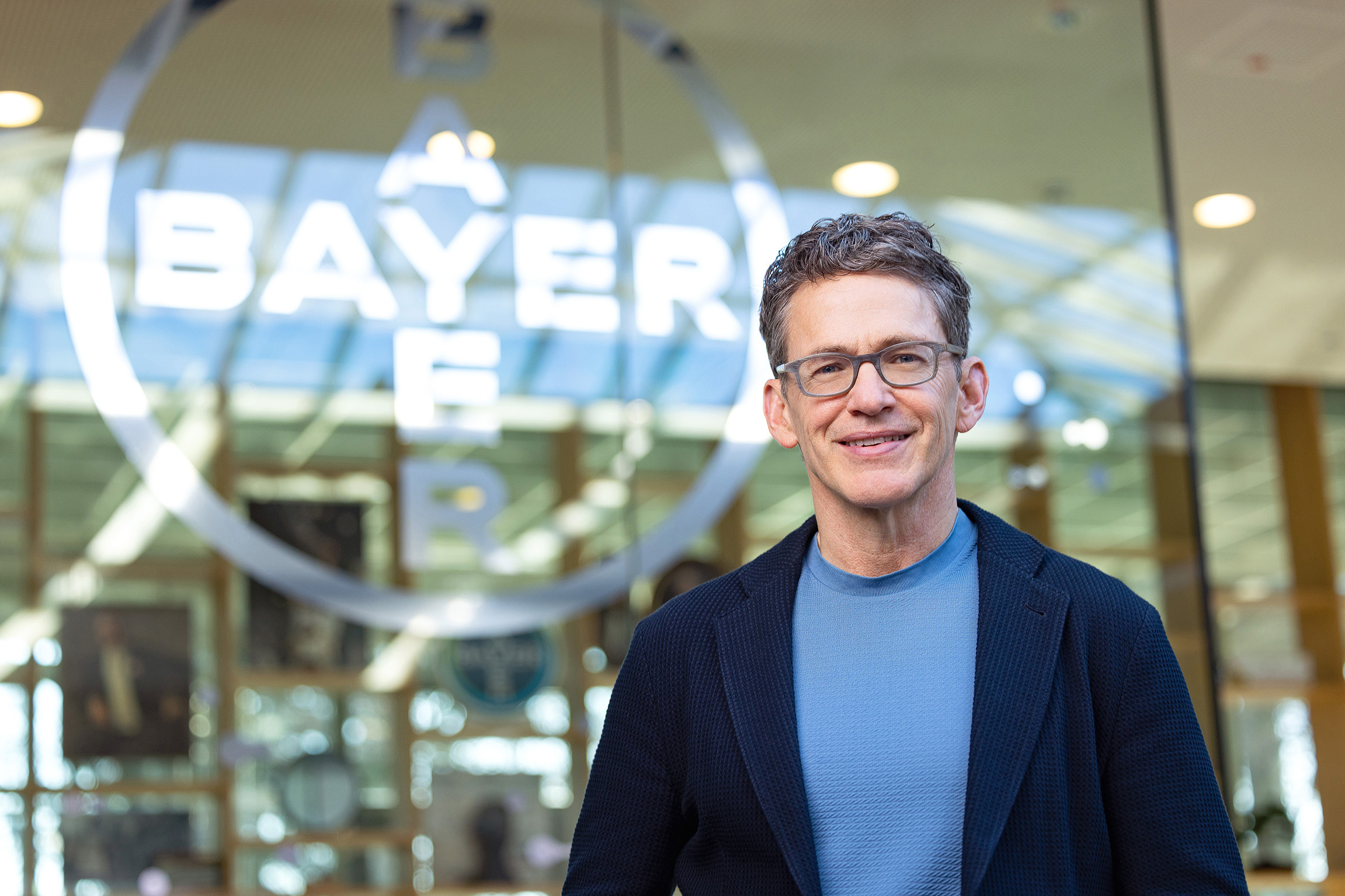
Bayer Shareholders Urge CEO to Accelerate Turnaround Amid Declining Shares

Bayer AG (BAYGn.DE) is under increasing pressure from its shareholders to quicken its turnaround efforts following a dramatic 14.5% drop in share value earlier this week. The German agriculture and pharmaceutical giant has seen its stock hit a 20-year low after warning of weaker farmer demand impacting earnings for 2025.

CEO Bill Anderson, who has been implementing restructuring measures since his appointment, is being urged to deliver tangible results to restore shareholder confidence and reverse the company’s downward trajectory.


Challenges Facing Bayer

  1. Weak Market Conditions: A slump in farmer incomes, exacerbated by broader agricultural trends, has hit Bayer and competitors like BASF and Corteva.
  2. Specific Setbacks: Bayer faces unique challenges, including delays in U.S. regulatory approval for a new generation of soy seeds, expected to dent 2025 earnings.
  3. Monsanto Aftermath: The $63 billion acquisition of Monsanto in 2018 continues to weigh on Bayer through debt and ongoing U.S. litigation over claims that Monsanto’s Roundup weedkiller causes cancer.
  4. Pharma Struggles: While new drugs like Nubeqa (prostate cancer) and Kerendia (kidney disease) show promise, bestselling blood thinner Xarelto is declining due to patent expiration.

Shareholders Demand Action

Cost Cutting and Efficiency

  • CEO Anderson’s efforts include cutting managerial roles, streamlining decision-making, and reducing bureaucracy.
  • Shareholders, including Deka Investment and Union Investment, say these changes have not yet significantly impacted revenue or costs.

Pipeline Strengthening

  • Investors like Union Investment’s Markus Manns emphasize the need for a stronger pharmaceutical pipeline and clearer long-term growth strategies.

Market Performance and Valuation

  • Bayer’s warning of declining earnings contrasts with previous analyst expectations of a 3% increase in adjusted earnings by 2025.
  • Despite an attractive valuation at 3.9 times estimated forward earnings (compared to BASF at 11.5 and Corteva at 18.7), analysts at BMO Capital Markets hesitate to recommend the stock due to contracting earnings.

CEO’s Vision and Investor Sentiment

Anderson has pledged to contain litigation risks and improve operational performance. However, shareholder patience is wearing thin. Ingo Speich from Deka warned that without results, management would face increased scrutiny.

While Bayer struggles to project when earnings will bottom out, Anderson remains optimistic about the company’s “bright future.” However, turning this vision into reality will require significant progress in both pharmaceuticals and agricultural products.


Geely Restructures with Zeekr Taking Control of Lynk in Major EV Realignment

China’s automotive giant Geely is undergoing a significant restructuring as its premium EV brand, Zeekr, is set to take control of Lynk & Co. This strategic move marks the first in a broader overhaul of Geely’s operations, aimed at streamlining costs and enhancing efficiency within the group. Historically known for rapid expansion through acquisitions, Geely now seeks to consolidate its resources, as indicated by Geely Holding Group Chairman Eric Li, who emphasized the need for deeper integration across brands to avoid overlap and redundant spending.

The restructuring will see Zeekr and Lynk form a new energy vehicle manufacturing group, targeting annual sales of over a million units — a significant increase from their combined sales of approximately 339,000 vehicles in 2023. Geely Automobile Holdings CEO Gui Shengyue highlighted the importance of integration to avoid internal competition and wasteful investment across research, development, and sales. Failing to do so, he noted, would weaken Geely’s competitive edge.

As part of the transaction, Zeekr will acquire a 30% stake in Lynk from Volvo Cars and an additional 20% from Geely Holding, giving it a majority stake. A capital injection will boost Zeekr’s stake to 51%, while Geely Auto will retain the remaining shares. This transaction, which values Lynk at roughly 18 billion yuan ($2.5 billion), is expected to be completed by June 2024. Volvo Cars’ shares rose by 3.5% following the announcement, reflecting investor optimism.

The integration strategy positions Zeekr to spearhead innovation in electric and connected vehicle technologies, sharing these advancements with Lynk and Polestar. Lynk’s product team has already begun reporting to Zeekr’s CEO Andy An, signaling a shift toward more shared technology and resources. This collaboration is anticipated to reduce research and development costs by 10% to 20% and material costs by 5% to 8% for both brands.

Additionally, Lynk’s established sales network in lower-tier cities will provide Zeekr with expanded market access, supporting its growth in China’s highly competitive EV market. The two brands already share vehicle architecture in Lynk’s Z10 and Z20 EV models, while Lynk’s gasoline and hybrid models are built on different platforms developed by Geely and Volvo Cars.

Lynk, launched in 2016, sold about 195,600 vehicles in the first nine months of 2023, marking a 40% increase over the previous year. Zeekr, a newer brand launched three years ago, sold nearly 143,000 cars in the same period, achieving an 81% year-on-year sales increase. Since its New York listing in May, Zeekr’s shares have surged nearly 40%, bringing its market value to $7.3 billion.

This strategic reorganization demonstrates Geely’s shift from aggressive expansion to a more cohesive operational model, with Zeekr’s control over Lynk aimed at reducing costs, improving capacity utilization, and driving Geely’s competitiveness in the growing EV sector.