Yazılar

OpenAI Unveils Restructuring Plans to Create Public Benefit Corporation

OpenAI announced plans to restructure its organization, creating a public benefit corporation (PBC) to facilitate easier fundraising and remove constraints imposed by its current nonprofit parent. This change follows growing competition in the artificial intelligence sector, where companies are increasingly focused on developing artificial general intelligence (AGI) capable of surpassing human intelligence.

The new PBC structure is designed to balance the pursuit of shareholder value with the broader societal interests of AI development. Under this plan, OpenAI’s for-profit arm would transition to a Delaware-based PBC, allowing it to raise more capital while maintaining a commitment to public good. The nonprofit will retain a significant interest in the PBC and will be one of the best-resourced nonprofits globally.

The restructuring follows OpenAI’s $6.6 billion funding round, which valued the company at $157 billion and was contingent on altering the company’s profit-sharing structure. The move aligns OpenAI with competitors like Anthropic and Musk’s xAI, which have adopted similar structures to attract investments.

Despite the restructuring’s potential, OpenAI faces opposition. Elon Musk, a co-founder of OpenAI, has criticized the shift, arguing that the company’s push for profit is prioritizing financial gain over its public mission. He has even filed a lawsuit against OpenAI, alleging that the company’s actions have violated the spirit of its original mission. Meta Platforms has also called for California’s attorney general to block the conversion, emphasizing concerns about the impact on public good.

Although becoming a benefit corporation doesn’t mandate prioritizing mission over profit, it formally declares the intent to balance both. However, the enforcement of this balance relies on the company’s shareholders rather than legal provisions.


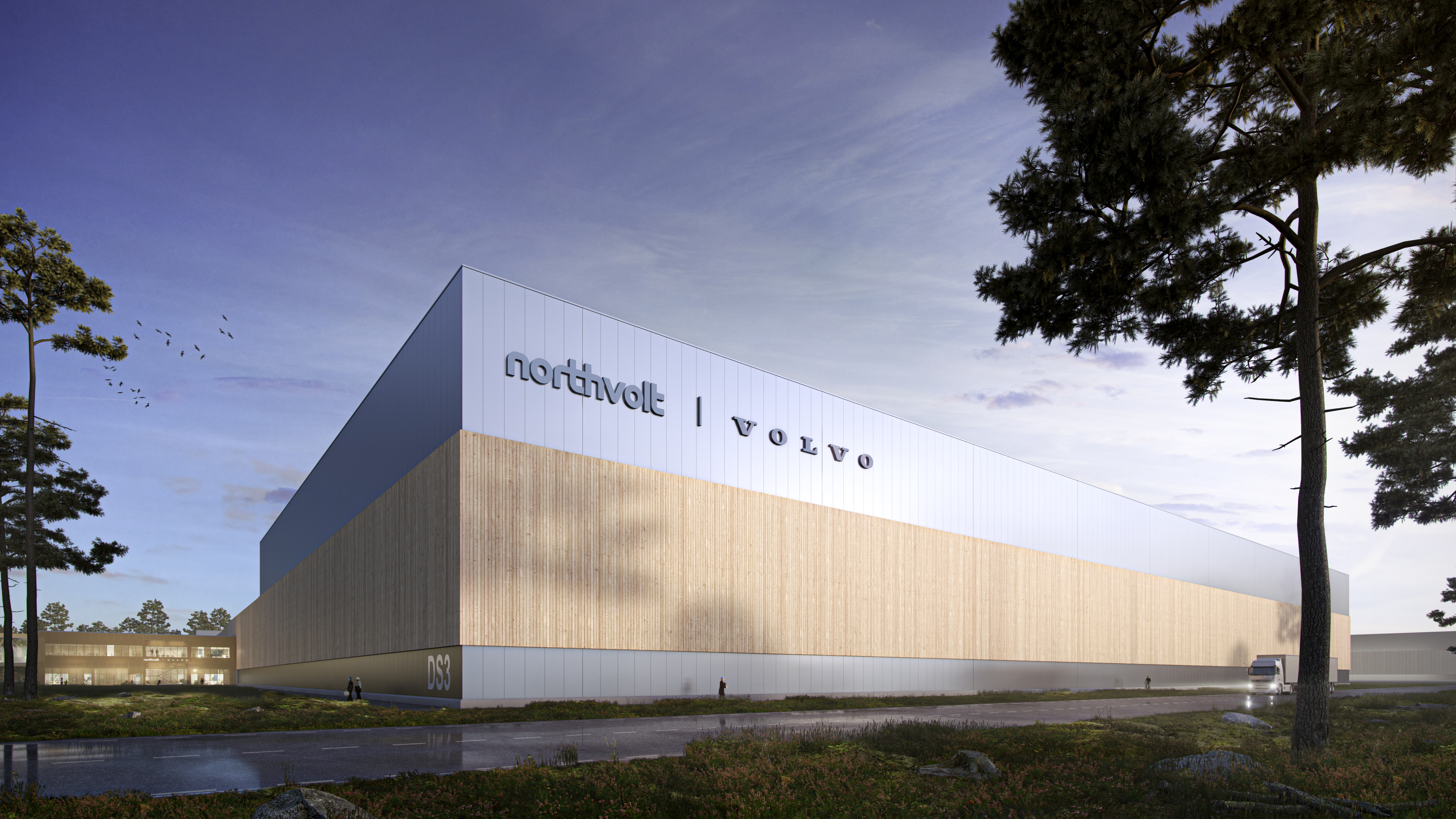
Northvolt Moves Toward Longer-Term Bankruptcy Financing

Swedish electric vehicle battery manufacturer Northvolt announced on Friday that it is making progress toward securing additional bankruptcy financing, with plans to finalize the arrangement by late January. Since entering bankruptcy on November 21, the company has engaged with over 100 potential lenders and investors to secure the necessary funds for its restructuring.

Northvolt’s initial bankruptcy loan, a $100-million facility from Swedish truck maker Scania, was meant to help the company through the early stages of its restructuring. However, it was not intended to carry the company through the entirety of the bankruptcy process. The company is now actively evaluating proposals from both strategic and financial investors to provide long-term financing.

At a court hearing in Houston on Friday, Northvolt’s attorney, Jack Luze, confirmed that the company is working on a longer-term financing proposal, which will be presented to U.S. Bankruptcy Judge Alfredo Perez during a court session scheduled for January 28.

Judge Perez approved the bankruptcy loan in full on Friday, after previously allowing the company to access the initial $51 million from the loan. A Northvolt spokesperson expressed satisfaction with the progress, noting the approval of the loan as an important step in the restructuring process.

The company, which has raised over $10 billion in an effort to produce electric vehicle batteries and compete with dominant Chinese manufacturers, remains operational with around 6,600 employees across seven countries. Northvolt is hopeful that its bankruptcy restructuring will allow it to continue business as usual while addressing its financial challenges.


WazirX Hack: Zettai Seeks Court Approval to Submit Restructuring Plan for Creditor Vote

Zettai, the Singapore-based company managing the WazirX cryptocurrency exchange in India, is actively working to address the fallout from the massive hack in July, which resulted in losses exceeding $230 million (approximately Rs. 1,900 crore). In the wake of the attack, Zettai has been developing a financial restructuring plan to recover from the crisis, with oversight from the Singapore High Court. The company has now sought court approval to convene a meeting with its creditors, where it will present the proposed restructuring plan for their approval. The scheme aims to prioritize creditors by offering a structured approach for recovery, and if granted permission by the court, it will be put to a vote by the creditors.

Should the court approve the plan, Zettai intends to initiate the first fund distributions within 10 business days. This timeline promises to offer creditors a swift path toward compensation, which could be a crucial step in restoring confidence in the exchange. According to the restructuring plan, the net available liquid funds, which currently cover over 100% of the USD value of liabilities as of July 18, 2024, will be distributed to creditors in proportion to their token holdings. This distribution is designed to ensure that creditors benefit from the recent surge in cryptocurrency market values.

As of July 18, 2024, the total claims against WazirX amounted to $546.47 million (around Rs. 4,637 crore), reflecting the extent of the losses suffered due to the hack. However, Zettai’s liquid assets as of December 5, 2024, had grown to $566,385,206 million (roughly Rs. 4,806 crore), signaling that the exchange has managed to stabilize its financial position in the aftermath of the incident. This growth in liquid assets provides a solid foundation for the restructuring plan, offering hope for creditors to recover their losses.

Zettai’s efforts to resolve the situation through a formal restructuring process demonstrate its commitment to addressing the impact of the hack and ensuring that its creditors are compensated. The outcome of the court’s decision and the subsequent vote by creditors will be pivotal in determining the future of WazirX and its ability to regain stability and trust in the market.