Geely Restructures with Zeekr Taking Control of Lynk in Major EV Realignment
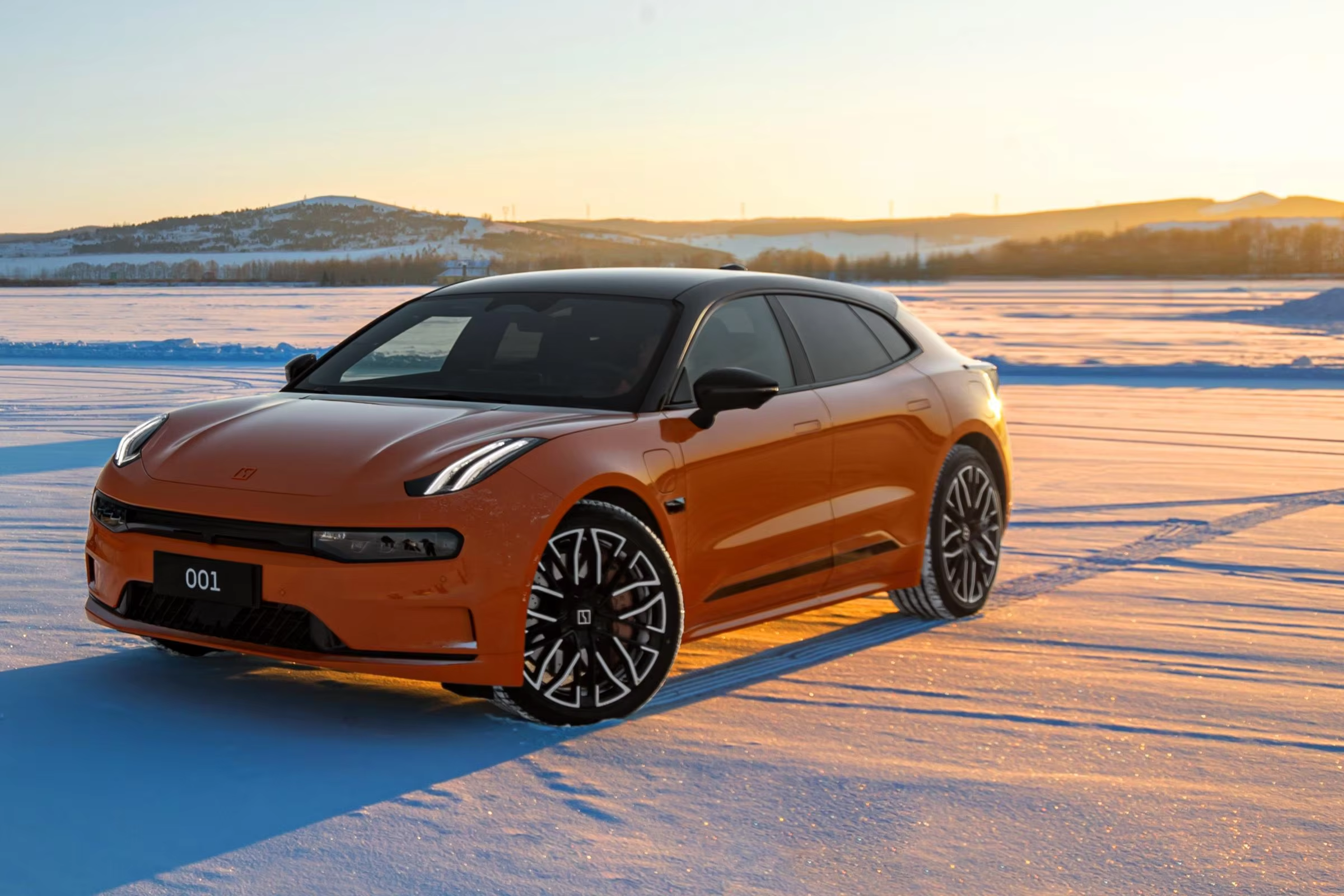
China’s automotive giant Geely is undergoing a significant restructuring as its premium EV brand, Zeekr, is set to take control of Lynk & Co. This strategic move marks the first in a broader overhaul of Geely’s operations, aimed at streamlining costs and enhancing efficiency within the group. Historically known for rapid expansion through acquisitions, Geely now seeks to consolidate its resources, as indicated by Geely Holding Group Chairman Eric Li, who emphasized the need for deeper integration across brands to avoid overlap and redundant spending.
The restructuring will see Zeekr and Lynk form a new energy vehicle manufacturing group, targeting annual sales of over a million units — a significant increase from their combined sales of approximately 339,000 vehicles in 2023. Geely Automobile Holdings CEO Gui Shengyue highlighted the importance of integration to avoid internal competition and wasteful investment across research, development, and sales. Failing to do so, he noted, would weaken Geely’s competitive edge.
As part of the transaction, Zeekr will acquire a 30% stake in Lynk from Volvo Cars and an additional 20% from Geely Holding, giving it a majority stake. A capital injection will boost Zeekr’s stake to 51%, while Geely Auto will retain the remaining shares. This transaction, which values Lynk at roughly 18 billion yuan ($2.5 billion), is expected to be completed by June 2024. Volvo Cars’ shares rose by 3.5% following the announcement, reflecting investor optimism.
The integration strategy positions Zeekr to spearhead innovation in electric and connected vehicle technologies, sharing these advancements with Lynk and Polestar. Lynk’s product team has already begun reporting to Zeekr’s CEO Andy An, signaling a shift toward more shared technology and resources. This collaboration is anticipated to reduce research and development costs by 10% to 20% and material costs by 5% to 8% for both brands.
Additionally, Lynk’s established sales network in lower-tier cities will provide Zeekr with expanded market access, supporting its growth in China’s highly competitive EV market. The two brands already share vehicle architecture in Lynk’s Z10 and Z20 EV models, while Lynk’s gasoline and hybrid models are built on different platforms developed by Geely and Volvo Cars.
Lynk, launched in 2016, sold about 195,600 vehicles in the first nine months of 2023, marking a 40% increase over the previous year. Zeekr, a newer brand launched three years ago, sold nearly 143,000 cars in the same period, achieving an 81% year-on-year sales increase. Since its New York listing in May, Zeekr’s shares have surged nearly 40%, bringing its market value to $7.3 billion.
This strategic reorganization demonstrates Geely’s shift from aggressive expansion to a more cohesive operational model, with Zeekr’s control over Lynk aimed at reducing costs, improving capacity utilization, and driving Geely’s competitiveness in the growing EV sector.