
Yazılar

Banks Sell $5.5 Billion of Musk’s X Debt to Investors

Banks led by Morgan Stanley have successfully sold $5.5 billion of the $13 billion debt incurred to finance Elon Musk’s $44 billion acquisition of Twitter, now rebranded as X. This sale is part of an effort to offload a significant portion of the debt, which includes a combination of secured and unsecured loans.

The deal, which was marketed to a select group of investors, included banks such as Bank of America, Barclays, Mitsubishi UFJ, BNP Paribas, Mizuho, and Societe Generale. The debt was initially offered at a price range of 90-95 cents on the dollar, but it was ultimately priced at 97 cents, resulting in a potential profit for the banks involved. Investors in this loan will receive a yield of 11%.

This marks the second attempt by these banks to sell down the debt since Musk’s 2022 acquisition. A prior attempt in late 2022 to sell the unsecured loan failed, as the bids were significantly lower, at 60 cents to the dollar, potentially causing a large loss for the banks. This time, however, investors seem to be more confident in X’s prospects, partly due to Musk’s ties to the newly elected Trump administration and his involvement in the AI startup xAI, which may drive further interest in the platform.

Despite the improved pricing, some investors have been hesitant to buy into the debt, given X’s challenges with advertisers and uncertain revenue growth after Musk’s changes to the platform. Additionally, X still has no official credit rating, which raises concerns among potential buyers. Nevertheless, the sale signals growing investor confidence, despite the risk that the platform’s revenue might not justify the price of the debt.

 

STMicroelectronics Considers Job Cuts in France and Italy Amid Restructuring

STMicroelectronics, the French-Italian semiconductor company, is reportedly planning to reduce its workforce by up to 3,000 jobs, or approximately 6% of its employees, across its French and Italian plants. This move is part of a broader restructuring initiative aimed at cost reduction, as reported by Bloomberg News. While the company did not confirm the exact number of job cuts, CEO Jean-Marc Chery mentioned during the company’s fourth-quarter earnings call that talks with unions would begin regarding voluntary headcount reductions, as part of a $300 million cost-saving program.

Union leaders have raised concerns, with FIOM CGIL union officials in both Brianza and Catania, where STMicroelectronics operates plants, seeking reassurance from the Italian government on maintaining current job levels and ensuring new investments and hiring. The company recently introduced an early retirement program, offering one position for every three workers retiring.

Despite these concerns, the company is continuing to receive significant support, including a €2 billion grant from the Italian government for building a new microchip plant that will create 3,000 jobs.


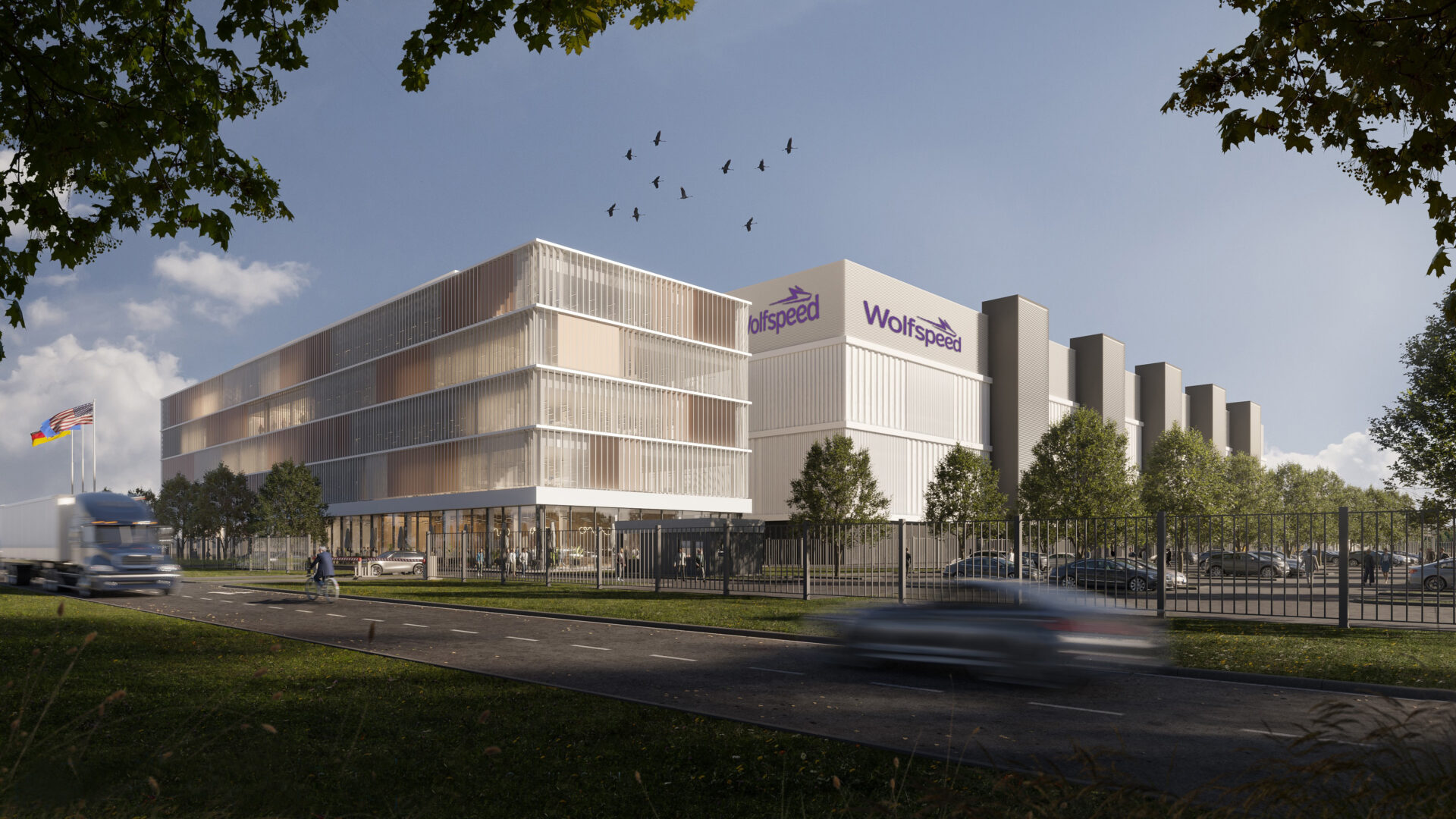
Wolfspeed Exceeds Q2 Revenue Expectations Amid Operational Shifts

Wolfspeed (WOLF.N) outperformed Wall Street expectations for second-quarter revenue and reported a smaller-than-anticipated net loss, demonstrating progress as the company implements changes to enhance profitability.

In the first quarter of 2025, Wolfspeed shut down some facilities and transitioned its device business to a 200-millimeter silicon carbide fab. This move aims to improve product efficiency and increase production capacity, especially in response to the growing demand for chips utilizing silicon carbide technology. These chips are critical for high-power applications such as electric vehicle powertrains, e-mobility, renewable energy systems, battery storage, and AI data centers.

For Q2, Wolfspeed reported revenue of $180.5 million, slightly exceeding the average analyst estimate of $179.9 million. The company’s net loss per share was 95 cents, better than the expected loss of $1.02 per share. The Mohawk Valley Fab facility contributed around $52 million in revenue.

Despite weak demand from automotive clients, Wolfspeed made leadership changes in November, replacing CEO Gregg Lowe with Thomas Werner, who took on the role of executive chairman as the company searches for a permanent CEO.

Looking ahead, Wolfspeed projects third-quarter revenue from continuing operations to range from $170 million to $200 million, with the midpoint falling short of analysts’ expectations of $193.6 million. The company anticipates an adjusted quarterly loss per share between 88 cents and 76 cents, compared to estimates of a loss of 86 cents. It also expects restructuring-related costs of $72 million for the third quarter.