Yazılar

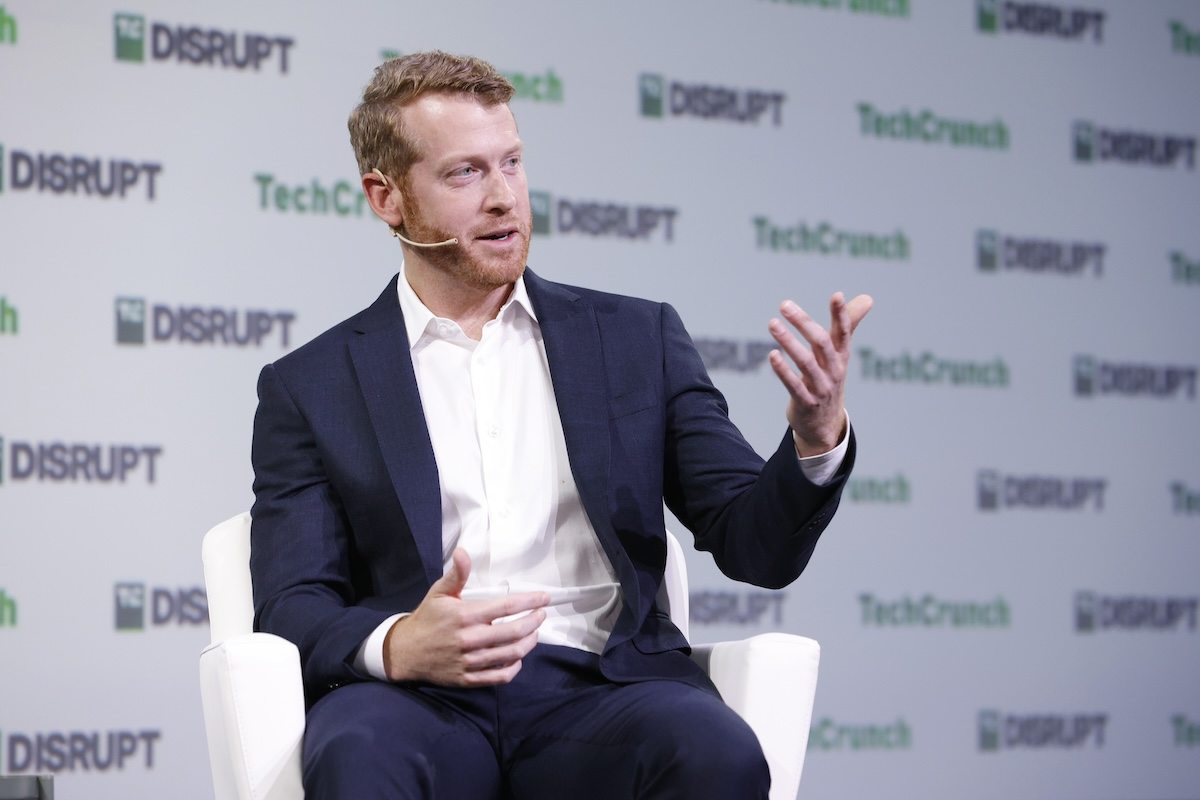
Former Cruise CEO Kyle Vogt’s Robotics Startup, The Bot Company, Valued at $2 Billion in New Funding

Kyle Vogt, the former CEO of self-driving car company Cruise, has secured $150 million in a new funding round led by Greenoaks for his robotics startup, The Bot Company. This investment boosts the company’s valuation to $2 billion, a significant jump from its previous valuation of $550 million following an earlier $150 million funding round. Despite the company not yet releasing a product or generating revenue, the funding reflects strong investor confidence in its potential.

The Bot Company, which was co-founded by Vogt, Paril Jain, and Luke Holoubek—former engineers at Tesla and GM-owned Cruise—aims to build AI-powered robots for everyday household tasks. These robots are designed to be non-humanoid and feature a base and grips for performing chores. The company is still in the development phase, working on integrating hardware and artificial intelligence-based software that will enable the robots to adapt and learn new tasks.

The company’s rapid rise in valuation comes amid a boom in robotics, driven by advances in large language models (LLMs). These AI models enable robots to understand natural language commands and perform more complex tasks, fueling significant interest in robots that could assist in homes or on factory floors. The Bot Company’s focus on creating at-home robots positions it within the growing trend of robotics startups, which are attracting substantial funding for innovative, AI-powered solutions.

The boom in robotics is also reflected by other industry players. Companies like Tesla, startups such as Figure, and Cobot, a robotics firm focused on industrial automation, are drawing attention with large funding rounds. Major players like Amazon have also invested heavily in home robotics, with the launch and eventual discontinuation of its Astro robot.

Vogt and his co-founders are part of a wave of talent transitioning from the self-driving car industry to robotics, aiming to create more adaptable and intelligent robots that can perform a range of tasks in daily life. The investment in The Bot Company, alongside the increasing venture capital influx into robotics, indicates growing confidence in AI-driven, action-based robotics solutions.
Nvidia CEO Predicts Humanoid Robot Revolution Within Five Years

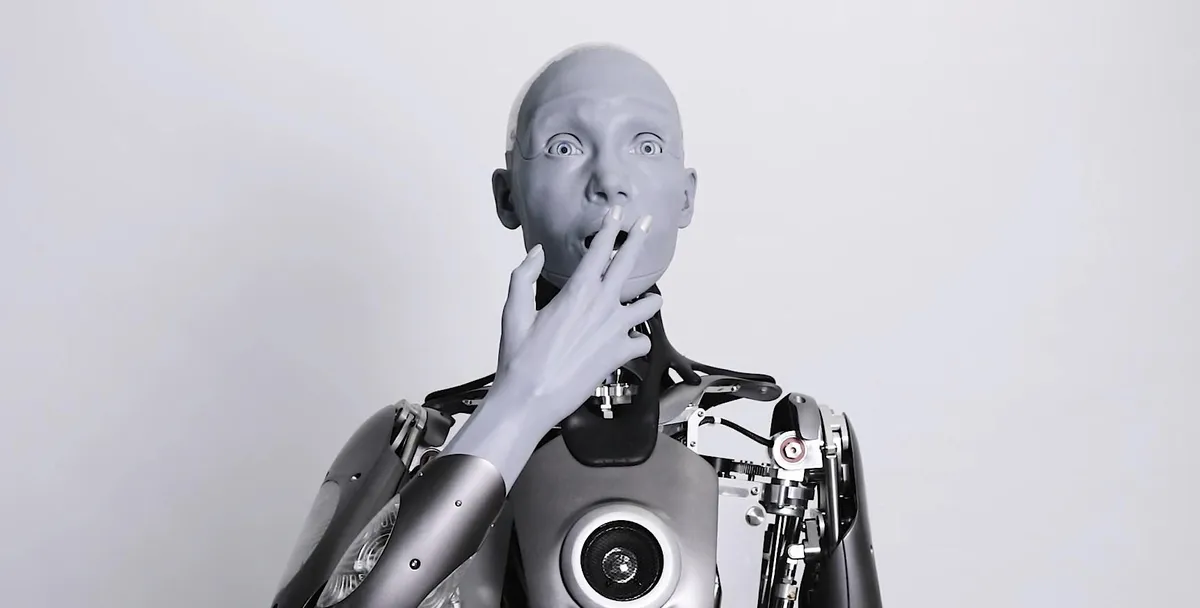
Nvidia CEO Jensen Huang has predicted that humanoid robots will become widely used in manufacturing within the next few years, much sooner than many expect. Speaking at the company’s annual developer conference in San Jose, California, Huang unveiled new software tools designed to help robots navigate real-world environments more effectively.

In a conversation with journalists after his keynote address, Huang emphasized that the widespread presence of humanoid robots is not a long-term vision but an imminent reality. He suggested that manufacturing will be the first industry to adopt these robots due to its structured environment and well-defined tasks, making automation more feasible.

Factories provide a controlled setting where humanoid robots can be integrated with minimal disruption, Huang explained. He also highlighted the economic advantages, noting that the cost of renting a humanoid robot could be around $100,000, making them a viable alternative to human labor in certain roles.

Nvidia’s advancements in AI and robotics continue to drive innovation in automation, with the company at the forefront of enabling next-generation robotic systems.

Terabase Energy Secures $130 Million to Expand Solar Technology Deployment

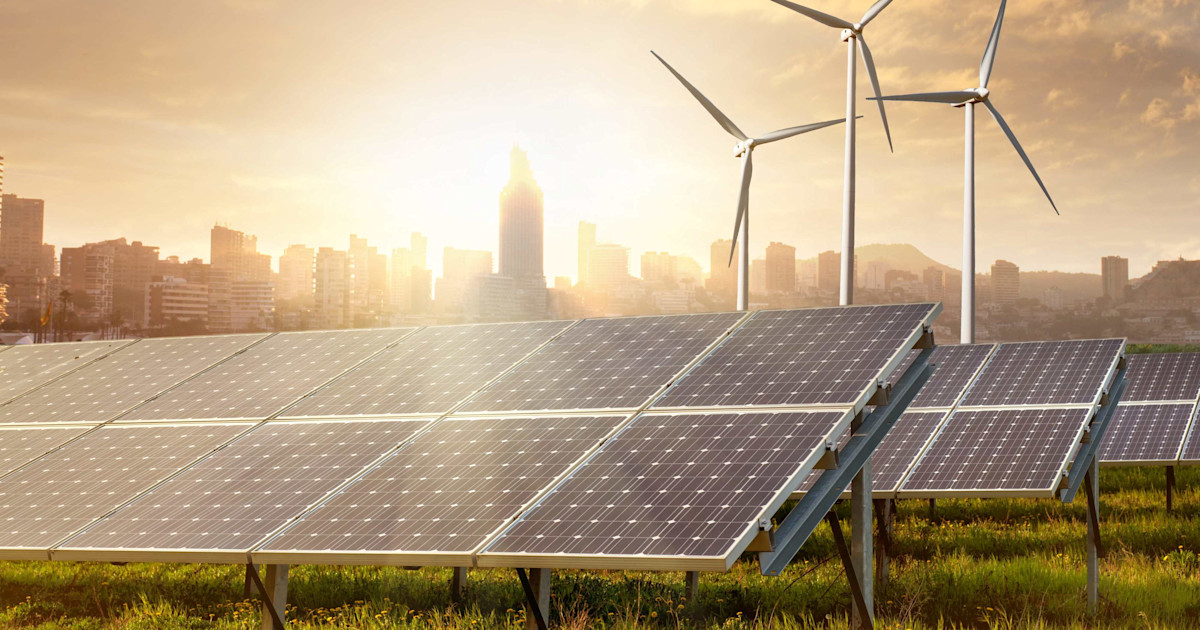
Terabase Energy, a company specializing in solar technology, announced on Thursday that it has raised $130 million in funding, led by SoftBank, to scale its operations and expand the deployment of its solar technology for large projects. This funding round is the largest in the company’s history, bringing its total funding to $200 million. While the company did not disclose its valuation during this round, the investment highlights strong investor confidence in its future.

Despite solar and energy storage accounting for 84% of new electricity generation capacity added to the U.S. power grid in 2024, the sector is facing challenges due to new U.S. energy policies that continue to support fossil fuels. Additionally, venture funding in the U.S. has been relatively quiet in early 2025, with a few AI-focused companies capturing most of the spotlight.

Terabase Energy’s platform collaborates with solar power plant developers, engineers, and construction firms, streamlining processes through workflow digitalization and automation. The company plans to use part of its new funding to enhance its robotics-assisted assembly line, Terafab, designed to alleviate “bottlenecks in construction speed and workforce limitations.”

In addition, Terabase operates PlantPredict, a solar modeling software, and Construct, a construction management platform. Kentaro Matsui, managing partner at SoftBank Global Advisers, highlighted that the surge in energy demand, particularly from AI data centers, underscores the need for scalable and sustainable solutions.

SoftBank, which is known for financing early-stage technology companies, also supported Terabase through its Vision Fund 2. Other existing investors in the company include Breakthrough Energy Ventures, Fifth Wall, SJF Ventures, and EDP Ventures.