Yazılar

US AgTech Faces Investment Drought, But Dairy and Solar Sectors Show Promise

The U.S. agricultural technology (AgTech) sector is experiencing a tough investment climate as macroeconomic challenges, weak commodity prices, and a slow agricultural cycle weigh on funding and valuations. AgTech, which includes precision farming, biotech, and data analytics, aims to boost farming efficiency but has seen venture capital decline.

PitchBook data shows that AgTech venture funding fell to $1.6 billion across 137 deals in Q1 2025 — a 25% drop in deal count and a 3.6% decline in capital compared to the previous quarter.

Tom Brennan, partner at McKinsey & Co., noted, “AgTech’s challenges aren’t unique. This is part of a broader venture capital correction, especially outside AI.”

However, precision farming, which employs automation, robotics, and data tools to address labor shortages and increase accuracy, continues to attract strong investor interest. Over the trailing 12 months, precision agriculture deals reached $1.82 billion, with robotics and smart field equipment seeing a 48.5% growth in value.

Vasanth Ganesan from McKinsey highlighted the labor shortage factor: “About 40% of U.S. agricultural labor is likely undocumented, driving demand for robotics and automation.”

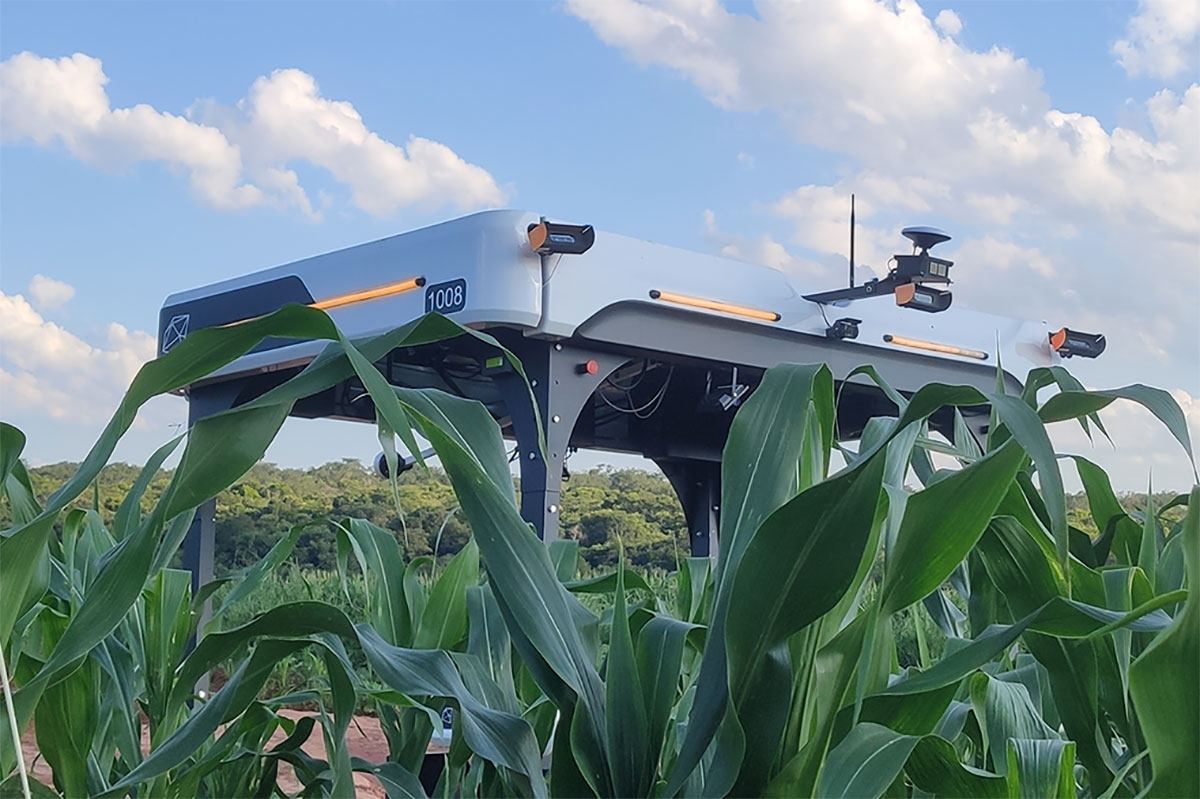
Monarch Tractor, based in California, is gaining traction in autonomous equipment, especially in dairy farms. CEO Praveen Penmetsa said their autonomous feed-pushing feature has been well-received by cooperatives such as Dairy Farmers of America.

Solar land management also presents growth opportunities, using robotic tractors to maintain solar farms—a sector driven by utilities powering AI data centers. Penmetsa added, “We’re collaborating with top North American solar developers and expect major partnerships soon.”

Industry giants like John Deere and Caterpillar are expanding their automation offerings, signaling growing strategic interest and clearer exit pathways for AgTech startups.

Experts forecast a potential capital market rebound in H2 2025, benefiting established companies poised for scale, provided trade tensions do not prolong disruptions.
SoftBank’s Masayoshi Son Proposes $1 Trillion Arizona AI and Robotics Hub

SoftBank Group founder Masayoshi Son is planning a $1 trillion industrial complex in Arizona focused on robotics and artificial intelligence, Bloomberg News reported Friday, citing sources familiar with the matter. The ambitious project aims to revive high-end tech manufacturing in the U.S. and create a hub akin to China’s manufacturing powerhouse, Shenzhen.

Son is reportedly seeking to partner with Taiwan Semiconductor Manufacturing Co. (TSMC) for the venture, codenamed Project Crystal Land, though the exact role TSMC would play and its interest level remain unclear. TSMC is already investing heavily in U.S. chip manufacturing with planned investments totaling $165 billion.

SoftBank officials have engaged in discussions with U.S. federal and state officials, including Commerce Secretary Howard Lutnick, to explore tax incentives for companies that build factories or invest in the industrial park.

The project also seeks interest from other tech giants such as Samsung Electronics. However, the plans are preliminary and dependent on support from the Trump administration and state authorities.

If realized, the $1 trillion investment would surpass the scale of the $500 billion “Stargate” project, a U.S. data center expansion funded by SoftBank, OpenAI, and Oracle.

SoftBank and TSMC have declined to comment on the report. The White House and Department of Commerce did not immediately respond to requests for comment.

This proposed initiative follows several major SoftBank investments this year, including its $6.5 billion acquisition of semiconductor designer Ampere and up to $40 billion commitment to OpenAI, part of which may be syndicated to other investors. Recently, SoftBank also raised $4.8 billion by selling shares in T-Mobile.

Amazon Unveils AI Upgrades to Delivery, Logistics, and Warehouse Operations

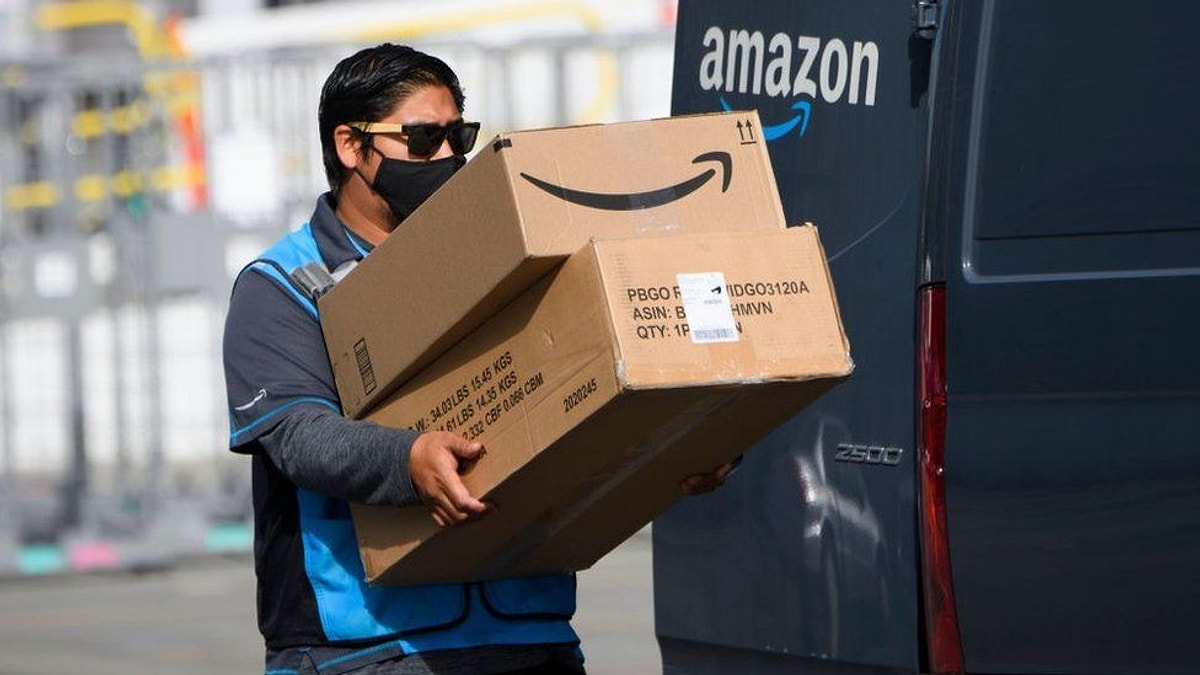
Amazon announced a series of new artificial intelligence initiatives aimed at enhancing its delivery, logistics, and warehouse operations, showcasing how the technology could significantly speed up package delivery and improve efficiency across its sprawling supply chain.

At the center of these developments is Amazon’s creation of a new group within its Lab126 device unit, tasked with developing warehouse robots powered by “agentic AI.” Unlike today’s robots that perform single, repetitive tasks, these AI-powered machines will be capable of multitasking — such as unloading trailers, retrieving parts, and making decisions based on natural language prompts. This flexibility is expected to be particularly beneficial during peak demand periods like the holiday season.

“For our customers, it’s, of course, faster delivery,” said Yesh Dattatreya, a robotics scientist leading the initiative. The robots will also contribute to minimizing waste and reducing carbon emissions, Amazon said, aligning with its broader sustainability goals.

Agentic AI — which allows systems to autonomously make and execute decisions — has become one of the most promising investment areas in AI development. Amazon’s version aims to transform warehouse robots into multi-functional assistants capable of responding to human commands in natural language.

Smarter Mapping for Delivery Drivers

Beyond warehouses, Amazon is using generative AI to improve mapping for delivery drivers. The new software provides highly detailed information about building layouts, obstacles, and navigation routes, particularly aiding deliveries to complex locations like large office parks or apartment complexes.

“This innovation is making it easier for Amazon drivers to find the right delivery spot, especially in tricky places,” Amazon stated.

The company also confirmed, for the first time publicly, that it is exploring AI-powered eyeglasses for its delivery drivers. These smart glasses would feature embedded screens to provide turn-by-turn directions, freeing drivers’ hands while navigating and delivering packages. Although still in development, the glasses could eventually integrate the advanced mapping technology already in use.

According to Viraj Chatterjee, vice president of Amazon’s Geospatial unit, U.S. drivers are already using the AI-generated maps daily, though they are not mandated to do so. This approach may help Amazon avoid legal challenges related to excessive control over gig economy workers.

AI Enhances Inventory Forecasting and Same-Day Delivery

In addition to physical logistics, Amazon is applying AI to better predict customer demand and optimize same-day delivery operations. The new forecasting software considers multiple variables—including price, convenience, weather, and special events like Prime Day—to ensure that popular products are pre-positioned in fulfillment centers closer to where they are most likely to be ordered.

“It allows us to sell a different set of books in Boston than we would in Boise, and cater to different tastes really, really efficiently across the communities that we serve,” said Nathan Smith, director of demand forecasting for Amazon’s supply chain optimization technologies unit.

With these AI upgrades, Amazon aims to maintain its competitive edge in e-commerce by delivering packages faster, improving the delivery experience for drivers, and further automating warehouse operations.