
Yazılar

French Regulator Orders Eutelsat to Cease Broadcasting Russian Channels

French media regulator Arcom has directed satellite provider Eutelsat to stop broadcasting two Russian TV channels, STS and Channel 5, following an investigation that revealed Eutelsat’s commercial agreements were linked to a sanctioned entity. The channels are controlled by Russia’s National Media Group, which has been subject to European sanctions since December 2022.

The decision came after Arcom received multiple requests from non-governmental organizations calling for action against Eutelsat. The regulator stated that, due to the financial resources of National Media Group being frozen, the channels must be removed from distribution. Eutelsat confirmed it would comply with Arcom’s directive and cease broadcasting the channels within the stipulated three-day period.

Eutelsat clarified that National Media Group was not its direct client but that of an intermediary distributor. The channels are transmitted via Eutelsat’s capacity on the Eutelsat 36C satellite, which is operated by Russian Satellite Communications Company (RSCC).

Failure to comply could lead to sanctions, including fines. The regulator also alerted internet providers about non-compliant content, which was subsequently removed. Arcom continues to investigate other channels that may not adhere to sanctions.
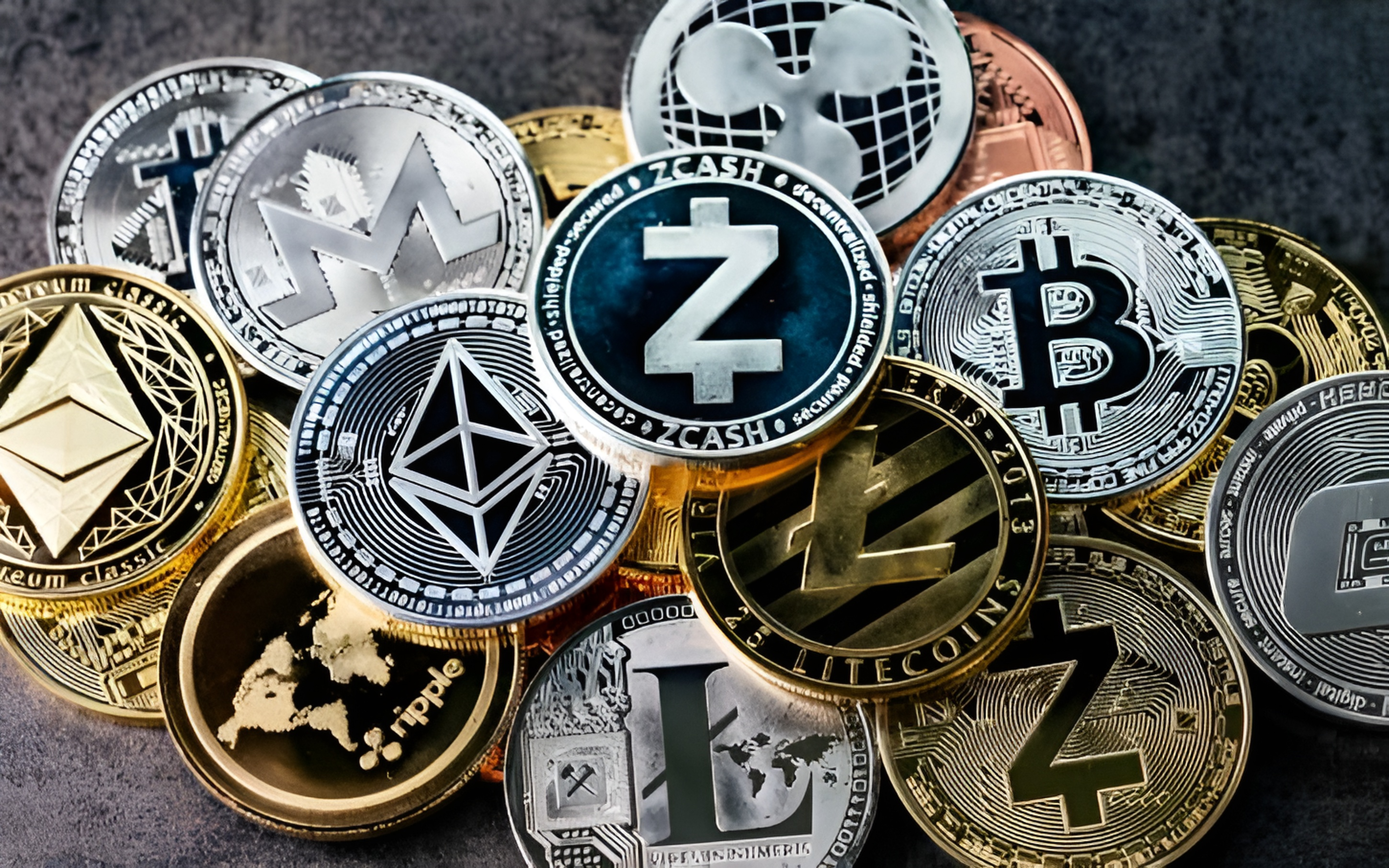
At US Request, India Arrests Crypto Administrator Accused of Money Laundering

Indian authorities arrested Aleksej Besciokov, a cryptocurrency exchange administrator, at the request of U.S. authorities. Besciokov, who is accused of being involved in a money laundering conspiracy and violating sanctions, was arrested in Kerala, India, by the Central Bureau of Investigation (CBI). The arrest comes after the U.S. Justice Department charged him with money laundering and operating an unlicensed money-transmitting business, among other violations.

Besciokov is linked to the Russian cryptocurrency exchange Garantex, which was dismantled by the U.S., Germany, and Finland. The U.S. Justice Department revealed that Garantex had facilitated over $96 billion in cryptocurrency transactions since April 2019. The U.S. had sanctioned the exchange in April 2022 due to its involvement in illicit financial activities.

The CBI confirmed that Besciokov had planned to flee India, though it remains unclear why he was in the country. A provisional arrest warrant was issued by India’s foreign ministry at the U.S. request, and Washington is now expected to pursue Besciokov’s extradition.

The takedown of Garantex is seen as a significant move in the fight against illicit finance, according to TRM Labs, a blockchain research company. However, they warned that sanctioned exchanges may create new entities to evade restrictions, suggesting that the battle against illegal financial activity is far from over.

Russia’s Central Bank Proposes Crypto Investment Opportunity for Wealthy Individuals

Russia’s central bank has proposed a new regulation to allow wealthy individuals to invest in cryptocurrencies under a controlled framework. Announced on Wednesday, the plan outlines that “specially qualified” investors, including certain wealthy individuals and businesses, will be able to trade crypto assets as part of an experimental legal regime. This move is a further softening of the central bank’s previously strict stance on cryptocurrencies.

Last year, the central bank supported legislation that allowed businesses to use cryptocurrencies for international trade, helping Russian firms navigate Western sanctions imposed due to the conflict in Ukraine.

According to the bank’s proposal, the experiment will be limited to investors who meet certain financial thresholds: individuals must have investments in securities and deposits totaling over 100 million rubles ($1.15 million) or an annual income exceeding 50 million rubles. The bank views this initiative as a means to increase the transparency of the cryptocurrency market while cautioning potential investors about the risks involved in trading crypto.

However, despite these developments, cryptocurrency will still remain banned as a payment method in Russia, as the central bank continues to regulate its use cautiously.