Yazılar

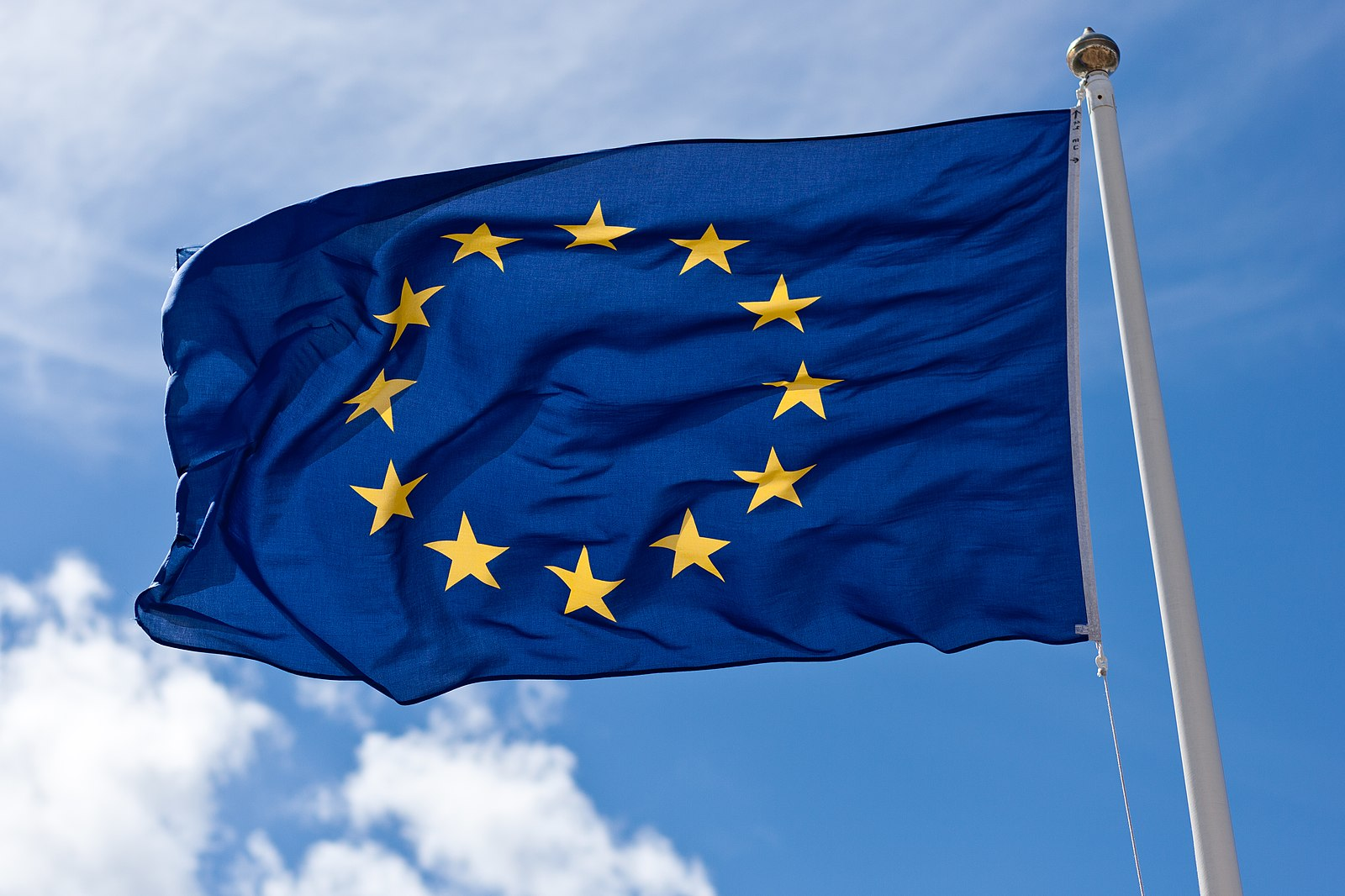
EU Defends Digital Markets Act, Insists It’s Not Targeting U.S. Tech Giants

European Union officials have rejected accusations that their new Digital Markets Act (DMA) is aimed at U.S. tech giants. In a joint letter to U.S. congressmen Jim Jordan and Scott Fitzgerald, EU antitrust chief Teresa Ribera and EU tech chief Henna Virkkunnen emphasized that the DMA is designed to keep digital markets open and applies to all companies meeting the criteria for being considered “gatekeepers,” regardless of their headquarters.

Ribera and Virkkunnen responded to concerns raised by U.S. lawmakers about the potential impact of the DMA on U.S. firms. The letter, dated March 6, clarified that the law does not specifically target U.S. companies, but instead applies to any firm that fits the established gatekeeper definition in the EU.

The EU officials also defended the DMA against criticism that it could stifle innovation. They argued that the act aims to prevent unfair practices by dominant players, thus fostering a more open and competitive digital market that will allow new players to emerge and innovate. Ribera and Virkkunnen highlighted that similar concerns over monopolistic behavior had prompted antitrust investigations and legal actions against companies like Google, Amazon, Apple, and Meta in the U.S. under the Trump administration and beyond.

In response to claims that EU fines on American tech firms resemble a European tax, the EU officials emphasized that the primary goal of enforcement is to ensure compliance with the law, not to impose punitive measures. They pointed out that sanctions, which are a standard feature of both EU and U.S. regulations, are essential for ensuring effective enforcement.

US, UK, and Australia Target Russia-Based Zservers Over Lockbit Ransomware Attacks

The United States, joined by the United Kingdom and Australia, has taken coordinated action against Zservers, a Russia-based service provider linked to supporting the notorious Lockbit ransomware attacks. The U.S. Department of Treasury announced the sanctions on Tuesday, highlighting national security concerns related to ransomware operations.

Designations and Actions:

The U.S. Treasury’s Office of Foreign Assets Control (OFAC) added two Russian nationals to its sanctions list, accusing them of being key administrators for Zservers, a company that provides bulletproof hosting services (BPH) commonly used by cybercriminals. These services enable cyber actors, including ransomware groups, to carry out attacks on critical infrastructure both in the U.S. and internationally.

Bradley Smith, acting Under Secretary of the Treasury for Terrorism and Financial Intelligence, emphasized that third-party providers like Zservers play a crucial role in facilitating the operations of cybercriminals, including those behind Lockbit attacks.

Broader Context:

This move is part of a broader effort to combat cybercrime, following similar actions last year that saw joint sanctions from the U.S., UK, and Australia against the Evil Corp ransomware group. The sanctions are aimed at disrupting the infrastructure that supports cybercriminal activities globally.

BestChange Unclear on Reason for Russia Block, Seeks Resolution with Central Bank

Cryptocurrency exchange platform BestChange has expressed uncertainty over why its website was blocked by Russia’s communications watchdog, Roskomnadzor. The platform is currently in contact with the central bank to understand the reason behind the block and work on lifting it.

BestChange confirmed that its website, bestchange.ru, had been restricted in Russia, but noted that it was unclear why the ban was imposed. “Unfortunately, we cannot account for the exact reason why this has happened,” the platform said in a statement late Monday. It further added that it was in communication with the central bank to identify the cause and engage with the regulator to resolve the issue.

Roskomnadzor’s official website listed BestChange as a blocked site, and Russian news agency RIA reported that the ban was linked to alleged violations in the financial sector. However, Roskomnadzor did not immediately respond to inquiries seeking more details.

The platform speculated that recent changes in Russian cryptocurrency regulations could be a factor in the restriction, or there could be issues involving an entity using its services. Last year, Russia legalized cryptocurrency mining and introduced taxation measures, expecting to generate up to 200 billion roubles ($2 billion) annually from miners. Although cryptocurrency mining was legalized, certain Siberian regions have faced restrictions to prevent power shortages. Furthermore, Russia has permitted businesses to use cryptocurrencies for international trade, an effort to circumvent Western sanctions that have caused delays in payments. However, a trial period for this new approach has not yet begun.